Day: March 28, 2024

  • Maintaining Home Safety: What Should Not Be Plugged into an Extension Cord

    Maintaining Home Safety: What Should Not Be Plugged into an Extension Cord

    Extension cords, when used correctly, offer a convenient solution to provide power to areas that are otherwise unreachable by a direct wall outlet. However, not all devices and appliances are suitable for connection via an extension cord. Understanding what should not be plugged into an extension cord is critical for maintaining home safety and preventing potential hazards. This includes high-power devices, large appliances, and any item that exceeds the safe load capacity of the cord. Misuse of extension cords can lead to overheating, fire hazards, and electrical failure, emphasizing the need for proper usage and adherence to manufacturer instructions.

    The article will explore the importance of abiding by the ratings and specifications of extension cords to ensure a safe electrical environment within the home. It will highlight the risks associated with improper use, such as daisy-chaining extension cords and plugging inappropriate devices into them. Offering practical advice, the article will provide safer alternatives for long-term power solutions and share essential tips on how homeowners can utilize extension cords without compromising safety. Through informed practices and awareness, individuals can prevent the misuse of extension cords and protect their homes from electrical dangers.

    Understanding Extension Cord Ratings and Specifications

    Understanding the ratings and specifications of extension cords is pivotal for ensuring electrical safety in your home. These cords come with specific designations such as S, W, J, T, P, O, and E, each indicating their intended use and features. For instance, ‘W’ is for outdoor use, bearing a thicker insulation to withstand weather conditions, while ‘S’ is designated for general indoor use. Here’s a breakdown of what these designations mean:

    • S: Flexible cords designed for general use
    • W: Weather-resistant, suitable for outdoor applications
    • J: Hard service cord with a standard 300-volt insulation
    • T: Thermoplastic insulation
    • P: Parallel wire construction for household appliances
    • O: Oil-resistant outer jacket
    • E: Thermoplastic elastomer (rubber-like) insulation

    When selecting an extension cord, it’s essential to consider the cord’s length, gauge, and amperage limits. These factors directly influence the cord’s capacity to carry power efficiently and safely to your devices. Here’s a simple guide to help you choose the right extension cord:

    Cord Length and Amperage Limits:

    • Up to 25 feet: 16 gauge for 1-13 amps; suitable for light-duty applications
    • 25-50 feet: 14 gauge for up to 20 amps; suitable for medium-duty applications
    • Over 50 feet: 12 or 10 gauge for heavy-duty applications; ensures minimal voltage drop

    Lower AWG number means a thicker wire and higher capacity. For instance, a 12-gauge wire can handle more amperage compared to a 16-gauge wire.

    AWG Rating (American Wire Gauge):

    Understanding the amperage (how much power a cord can handle) and ensuring it matches or exceeds the power needs of the device it powers is crucial. For high-amperage appliances, cords designed to carry 20 amps or more are recommended. Remember, the longer the cord, the higher the electrical resistance, which can decrease the power delivered to your device. This is why choosing the correct length and gauge based on the device’s amperage rating is critical.

    Lastly, it’s important to use cords as per their intended use (indoor vs. outdoor) and to adhere to the maximum length guidelines to prevent overheating and potential fire hazards. For outdoor use, opt for cords with a ‘W’ designation, which have a thick, durable layer of protective insulation. Always ensure the extension cord is UL Approved and matches the equipment’s power requirements in terms of amperage and voltage ratings.

    Common Electrical Items That Should Not Be Plugged into an Extension Cord

    Certain electrical items pose significant risks when powered through extension cords or power strip, primarily due to their high power requirements or heating elements. Here’s a breakdown of devices that should be avoided and the reasons behind it:

    Heating Devices:

    • Space Heaters: Can cause fires due to high power consumption.
    • Hair Dryers and Styling Tools: High wattage requirements increase the risk of overheating.
    • Toasters and Crockpots: Similar to space heaters, the high energy draw can lead to fire hazards.Air Conditioners and Refrigerators: These can cause a voltage drop, leading to decreased performance or damage.
    • Microwave Ovens: Like air conditioners, the power draw is too high for safe extension cord use.

    Large Appliances:

    • Water Heaters: Excessive heat and power draw make them unsuitable for extension cord use.
    • Refrigerators: High power consumption can lead to voltage drops and potential damage.
    • Fans: While not as high in power consumption, still pose a risk when used with thin or light-duty extension cords.

    Miscellaneous:

    • Surge Protectors: Plugging a surge protector into an extension cord can pose a fire hazard due to excessive heat.
    • Electrical Engineer: Seeking professional advice from an electrical engineer can provide insights into safe electrical practices.
    • Circuit Breakers: Understanding the role of circuit breakers in preventing electrical overloads is crucial for home safety.

    For safely powering devices that shouldn’t be plugged into extension cords, consider the following alternatives:

    • Direct Wall Outlet Connection: Always the safest option for high-power appliances and heating devices.
    • Heavy-Duty Extension Cords: For temporary solutions, ensure the cord’s amperage rating matches or exceeds the device’s requirements.
    • Professional Electrical Installation: For permanent solutions, adding more outlets where needed is a safer alternative.

    Can you plug a power strip into an extension cord?

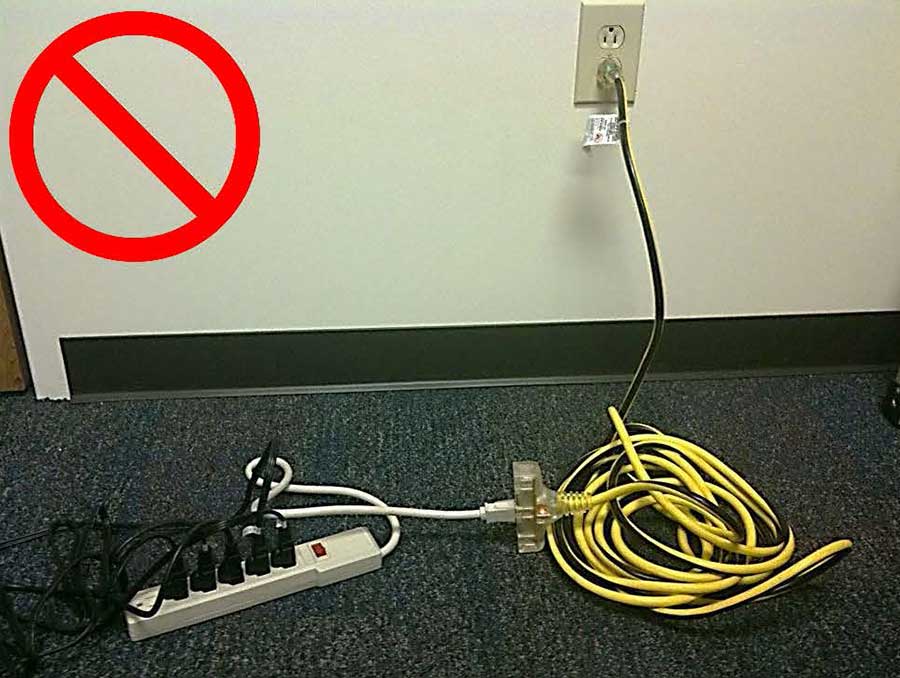
    Plugging a power strip into an extension cord raises significant safety concerns due to the potential for overloading the electrical circuit. While it may seem convenient to extend the reach of a power strip using an extension cord, this practice can lead to excessive heat buildup and an increased risk of electrical fires. The combined load of multiple devices plugged into the power strip, along with the extended length of the extension cord, can surpass the cord’s capacity, causing it to overheat and potentially melt. Furthermore, daisy-chaining power strips and extension cords create a daisy-chain effect, compounding the risk of overloading and creating a hazardous situation. It’s crucial to always plug power strips directly into a wall outlet, ensuring that they’re not overloaded and can safely distribute power to connected devices.

    Can you plug extension cords into each other?

    The practice of plugging extension cords into each other, also known as daisy-chaining, is highly discouraged due to the increased risk of electrical hazards it poses. While it may seem like a convenient way to extend the reach of a single cord, daisy-chaining can lead to overloading circuits, overheating, and potential fire hazards. Each extension cord adds resistance to the circuit, which can result in voltage drops and increased electrical resistance. As a result, the cumulative load on the circuit may exceed its capacity, leading to overheating and possibly melting of the cords. Furthermore, daisy-chaining extension cords violate safety regulations and standards set by organizations like OSHA and the National Electrical Code. To ensure electrical safety, it’s essential to avoid daisy-chaining extension cords and instead use a single, appropriately sized cord that reaches the desired length without the need for additional extensions.

    General Safety Extension Cord Use:

    • Avoid Daisy-Chaining: Connecting multiple power strips or extension cords increases the risk of overloading and fire.
    • Regular Inspection: Check cords for damage or wear and replace them when necessary.
    • Proper Storage: Keep cords coiled and away from high-traffic areas to prevent damage.
    • Understand Ratings: Only use cords that are suitable for the intended use, whether indoor or outdoor and that have the correct wire gauge for the appliance.

    By adhering to these guidelines, homeowners can significantly reduce the risks associated with improper extension cord use, ensuring a safer living environment.

    The Dangers of Daisy-Chaining Extension Cords

    Daisy-chaining extension cords, or connecting multiple extension cords together, is a common but hazardous practice that can lead to several electrical safety issues. Here are the critical risks associated with daisy-chaining:

    Overloading and Fire Hazards:

    • Electrical Overload: Connecting an extension cord to another increases the risk of overloading the electrical system. This can cause the cords and the outlet to overheat, potentially leading to a fire.
    • Increased Resistance and Heat: The total resistance in the circuit increases with the length of the cords, generating excess heat. This heat can damage the insulation of the cords, exposing wires and increasing the risk of electrical fires.
    • Violations of Safety Regulations: Daisy-chaining extension cords are against OSHA regulations and the National Electrical Code. Such practices can lead to regulatory penalties and compromise safety. Risk of Electrocution: The longer the daisy-chained cords, the higher the risk of electrocution due to increased resistance and potential for insulation damage.
    • Equipment Damage: Overloaded circuits can result in voltage drops, which can damage sensitive electronic devices connected to the daisy-chained cords.

    Electrocution and Equipment Failure:

    • Alternatives to Daisy-Chaining:
      • Use Power Strips with Adequate Power Cords: Replace daisy chains with power strips that have a sufficient length of power cord and are designed to handle the intended load.Install Additional Outlets: If you find yourself relying on extension cords regularly, consider having a professional electrician install more outlets closer to where power is needed.
      • Opt for Heavy-Duty Extension Cords: For temporary solutions, ensure to use a single, high-quality extension cord that matches or exceeds the device’s amperage requirements, avoiding the need to daisy-chain multiple cords.

    By understanding the dangers associated with daisy-chaining extension cords and opting for safer alternatives, homeowners can significantly reduce the risks of electrical fires, equipment damage, and electrocution. It’s crucial to always follow manufacturer instructions and adhere to local electrical codes to ensure a safe electrical environment in your home.

    Alternatives to Using an Extension Cord for Long-Term Power Solutions

    For long-term power solutions in your home, relying solely on extension cords can pose significant safety risks. Here are some safer alternatives and practices to consider:

    Power Strips with Over-Current Protection:

    • Look for a power strip equipped with over-current protection to prevent overloading.
    • Ensure they have an adequate cord length to allow for proper heat dissipation.
    • Models with a built-in switch and circuit breaker offer an added layer of safety.
    • The National Electrical Code advises installing outlets near areas where power is frequently needed. This reduces the risks associated with overloading, wear, and potential tripping hazards.
    • Consider hiring a professional electrician to install new outlets for safe and long-term use.

    Installation of New Power Outlets:
    • Outlet Taps and Power Strips:
      • Outlet Taps: These can be directly plugged into a wall outlet, providing additional receptacles. Some models include USB ports and surge protection, offering versatility without the need for long cords.
      • Power Strips Varieties: Available in various shapes, sizes, and cord lengths (ranging from 2 feet to 25 feet), power strips can accommodate different spatial needs. Opt for those with a circuit breaker and surge protection for enhanced safety.

    Important Considerations:

    • Avoid Permanent Use of Extension Cords: Extension cords should not be used as a substitute for permanent wiring. OSHA regulations allow their use as temporary wiring for up to 90 days only.
    • Regular Inspection: Both extension cords and multi-plug adapters should be regularly inspected for damage to ensure long-term safety.
    • Understand the Limitations: Heavy reliance on extension cords often indicates the need for additional outlets. Avoid using extension cords for appliances that are far from an outlet; instead, consider more permanent solutions like additional outlets or rewiring.

    By adhering to these guidelines and opting for safer alternatives, homeowners can ensure a safer electrical environment, mitigating the risks associated with improper use of extension cords.

    Extension Cord Safety Tips for Homeowners
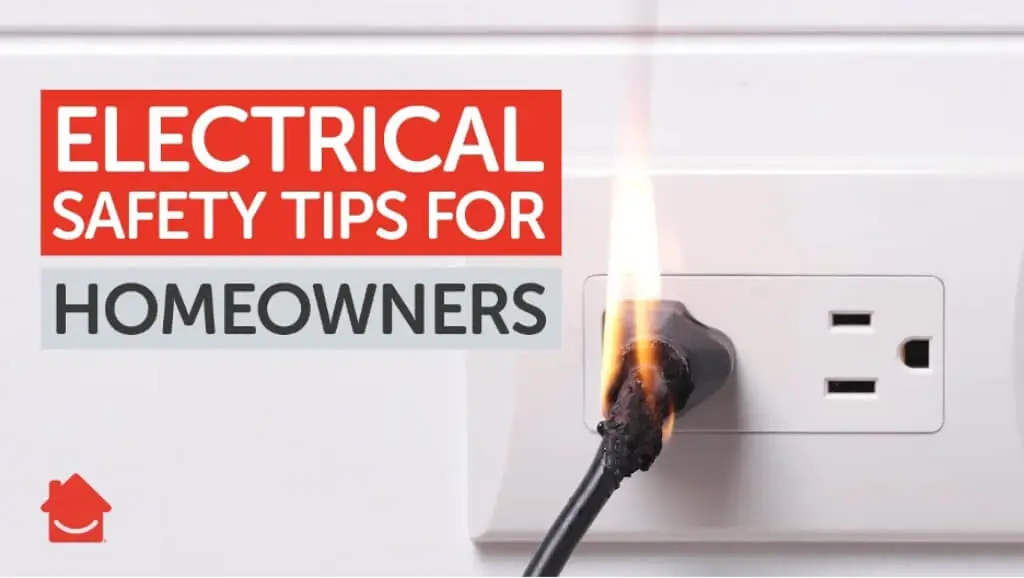
    Extension cords, while immensely useful for bridging gaps between electrical outlets and your devices, come with their own set of safety considerations. Here are some essential tips to ensure their safe use:

    • Before Use:
      • Inspection: Always inspect cords for any signs of damage, such as frayed wires, cracked casing, or exposed wiring. Check for signs of overheating such as if the extension cord is hot to the touch, which could indicate overloading or a faulty connection. Discard any cord that shows signs of wear and make sure you did not use hot extension cord.
      • Testing Approval: Use only those extension cords that have been tested and approved by independent testing laboratories like Underwriters Laboratory (UL).
      • Correct Rating: Ensure the cord is appropriately rated for the device’s power requirements. This includes matching the wattage and amperage of the device with the extension cord’s capacity.
    • During Use:
      • Water and Snow: Keep cords away from water and snow. Never use an extension cord in wet conditions unless it’s specifically rated for such use.
      • Grounding: Do not remove the ground prong from a three-pronged cord. This ground prong is a critical safety feature.
      • Indoor vs. Outdoor: Be mindful of the cord’s rating for indoor or outdoor use. Never use an indoor-rated cord outside.
      • Avoid Overloading: Do not plug multiple high-power devices into the same extension cord. This can lead to overheating and potentially cause a fire.
      • Placement: Avoid running cords under carpets, through doorways, or anywhere they can be tripped over or pinched.
    • After Use:
      • Storage: Unplug the extension cord when not in use, neatly coil it, and store indoors to prevent damage from environmental elements.
      • Child Safety: Keep stored cords out of reach of children to prevent misuse.
      • Regular Checks: Periodically re-inspect stored cords for damage before use, even if they have been stored properly.

    By adhering to these guidelines, homeowners can significantly mitigate the risks associated with extension cord use, ensuring a safer home environment. Remember, extension cords are intended as a temporary solution and should not replace permanent electrical wiring.

    Conclusion

    Through the exploration of extension cord safety, the article has underscored the significant risks that come with improper use, such as overheating and electrical fires, and spotlighted specific appliances and devices that should be avoided.

    By adhering to guidelines on the selection and use of extension cords, homeowners can substantially mitigate these risks. Whether it’s selecting the correct rating and specification for intended use or understanding the limitations of extension cords for long-term power solutions, these practices ensure a safer living environment. Moreover, alternatives like direct wall outlet connections and the installation of additional power outlets have been highlighted as safer, more permanent solutions to relying on extension cords.

    In essence, informed practices and awareness are pivotal in preventing the misuse of extension cords. The article not only provided a comprehensive list of do’s and don’ts but also suggested safer alternatives and general safety tips to uphold electrical safety standards within the home.

    Remember, the path to ensuring a secure home environment begins with acknowledging the potential dangers of convenience-driven choices like extension cords. By taking steps toward informed usage and embracing the alternatives offered, we can protect our homes and loved ones from the hazards of electrical mishaps.
  • How to Choose the Right Extension Cord

    How to Choose the Right Extension Cord

    In our modern, electronics-driven world, extension cords have become an indispensable tool for powering devices and appliances in locations where outlets are not readily available. Whether you’re embarking on a home improvement project, hosting an outdoor event, or simply need to extend the reach of your electronics, choosing the right extension cord is crucial for ensuring safety, efficiency, and optimal performance.

    With a vast array of options available on the market, navigating the selection process can seem overwhelming and daunting. However, by understanding the key factors to consider, familiarizing yourself with the various types, ratings, and specifications, and assessing your specific needs, you can confidently choose the perfect extension cord tailored to your unique requirements.

    The Importance of Selecting the Appropriate Extension Cord

    While extension cords may appear simple and unassuming, their selection should not be taken lightly. Using an inadequate or improper extension cord can pose serious safety risks, including electrical fires, shocks, and damage to your valuable devices and appliances. Furthermore, an ill-suited extension cord can lead to inefficient power delivery, resulting in underperforming tools, appliances, and potentially compromised work quality.

    By investing the time and effort to choose the right extension cord, you not only safeguard the well-being of your household or workplace but also optimize the performance of your electrical equipment. This proactive approach can save you from costly repairs, replacements, and potential hazards, ultimately providing peace of mind and allowing you to focus on the task at hand without unnecessary distractions or concerns.

    Types of Extension Cords: Understanding the Differences

    Extension cords come in a variety of types, each designed to meet specific needs and requirements. Understanding the distinctions between these types is essential to making an informed decision and selecting the most appropriate cord for your intended use.

    1. Household Extension Cords

    Household extension cords are the most common and widely available type, designed primarily for indoor use in residential settings. These cords are suitable for powering low-wattage devices such as lamps, radios, televisions, and other small appliances commonly found in homes. Household extension cords typically feature a lightweight, flexible construction and are available in various lengths and gauges (wire thickness) to accommodate different needs.

    2. Outdoor Extension Cords

    As the name suggests, outdoor extension cords are engineered to withstand the rigors of exterior environments. These cords boast a rugged, weather-resistant construction that protects against moisture, sunlight, temperature extremes, and other environmental factors. Outdoor extension cords are often used for powering tools, lighting, and other equipment during outdoor projects, events, or activities, making them an essential companion for landscaping, construction, and outdoor entertainment.

    3. Heavy-Duty Extension Cords

    Heavy-duty extension cords are built to handle high-wattage devices and tools, such as power saws, air compressors, welding equipment, and other industrial-grade machinery. These cords feature a thicker gauge, allowing them to accommodate higher current flow without overheating or posing safety risks. Heavy-duty extension cords are generally more durable and less flexible than their household or outdoor counterparts, making them well-suited for demanding applications and harsh environments.

    4. Industrial Extension Cords

    Industrial extension cords represent the pinnacle of durability and robustness, designed specifically for use in demanding environments such as construction sites, factories, and workshops. These cords feature reinforced jackets, specialized connectors, and exceptionally thick gauges to withstand harsh conditions, heavy loads, and potential abuse. Industrial extension cords are engineered to power heavy machinery and equipment while ensuring maximum safety and reliability, even in the most challenging settings.

    Understanding Extension Cord Ratings, Lengths, and Gauges

    When selecting an extension cord, it’s crucial to consider its rating, length, and gauge, as these factors directly impact the cord’s performance, safety, and suitability for your intended application.

    1. Extension Cord Ratings

    Extension cords are rated based on their amperage capacity, which indicates the maximum amount of electrical current they can safely carry without overheating or posing a fire risk. Common ratings include 15 amps, 20 amps, and 30 amps, though higher ratings are available for industrial and heavy-duty applications. It’s essential to choose a cord with a rating that meets or exceeds the combined amperage requirements of the devices you plan to power simultaneously. Failure to do so can result in overloading, which can lead to overheating, tripped circuit breakers, or even electrical fires.

    2. Extension Cord Lengths

    Extension cords are available in various lengths, ranging from a few feet to hundreds of feet, catering to different needs and applications. While a longer cord may seem more convenient, it’s important to consider the potential for voltage drop, a phenomenon where the electrical potential decreases over distance, leading to reduced power delivery and potential overheating. As a general rule, use the shortest length necessary to reach your desired location while minimizing voltage drop and ensuring efficient power delivery.

    3. Extension Cord Gauges

    The gauge of an extension cord refers to the thickness of its conductor wires, with lower gauge numbers indicating thicker wires capable of carrying more current. Common gauges for household and outdoor cords range from 16 gauge to 10 gauge, while heavy-duty and industrial cords may use even lower gauges, such as 8 gauge or 6 gauge. Selecting the appropriate gauge is essential, as thicker wires can carry more current and reduce voltage drop over longer distances, ensuring efficient power delivery and minimizing the risk of overheating or electrical hazards.

    Assessing Your Needs: Environment, Power Requirements, and Distance

    Before selecting an extension cord, it’s crucial to assess your specific needs based on three key factors: the environment in which the cord will be used, the power requirements of the devices you’ll be connecting, and the distance between the power source and the desired location. By carefully evaluating these factors, you can ensure that the extension cord you choose is optimally suited for your intended application.

    1. Environment: Indoor vs. Outdoor

    The environment plays a pivotal role in determining the appropriate extension cord type. Indoor cords are suitable for use in controlled, climate-controlled environments, such as homes, offices, or workshops. They are typically constructed with lightweight materials and lack the rugged protection required for outdoor use. On the other hand, outdoor cords are designed to withstand harsh weather conditions, moisture, temperature fluctuations, and exposure to sunlight. These cords feature a weather-resistant construction and are often reinforced to ensure durability and longevity in exterior settings.

    If you’ll be using the extension cord in both indoor and outdoor settings, it’s advisable to invest in a versatile outdoor-rated cord that can handle diverse conditions safely and reliably. These cords are designed to be multi-purpose, offering the flexibility to move between different environments without compromising functionality or safety.

    2. Power Requirements of Devices

    Accurately identifying the power requirements of the devices you’ll be connecting is vital for selecting an extension cord with an adequate rating. Failure to do so can result in overloading, which can pose serious safety risks, including overheating, electrical fires, and damage to your valuable equipment.

    To determine the appropriate cord rating, check the amperage or wattage requirements of each device you plan to power simultaneously. Consider the maximum power draw of each device, as some may have higher starting or peak loads than their steady-state operation. Once you have gathered this information, choose a cord with a rating that meets or exceeds the combined demand of all devices. It’s always better to err on the side of caution and select a cord with a higher rating than you think you’ll need, as this provides a safety buffer and ensures reliable performance.

    3. Distance from Power Source

    The distance between the power source and the desired location is another critical factor to consider when choosing an extension cord. Longer distances can result in voltage drop, which can affect the performance of your devices and potentially cause overheating, reduced efficiency, or even failure to operate.

    As a general rule, use the shortest extension cord length possible to minimize voltage drop and ensure efficient power delivery. However, for situations where longer distances are unavoidable, it’s essential to opt for a cord with a lower gauge (thicker wire). Lower gauge cords have a greater capacity to carry current over longer distances without significant voltage drop, ensuring reliable power delivery and reducing the risk of safety hazards.

    When assessing distance, consider not only the linear distance but also any obstacles or obstructions that may require routing the cord around corners or through tight spaces. These factors can further contribute to voltage drop and should be accounted for in your selection process.

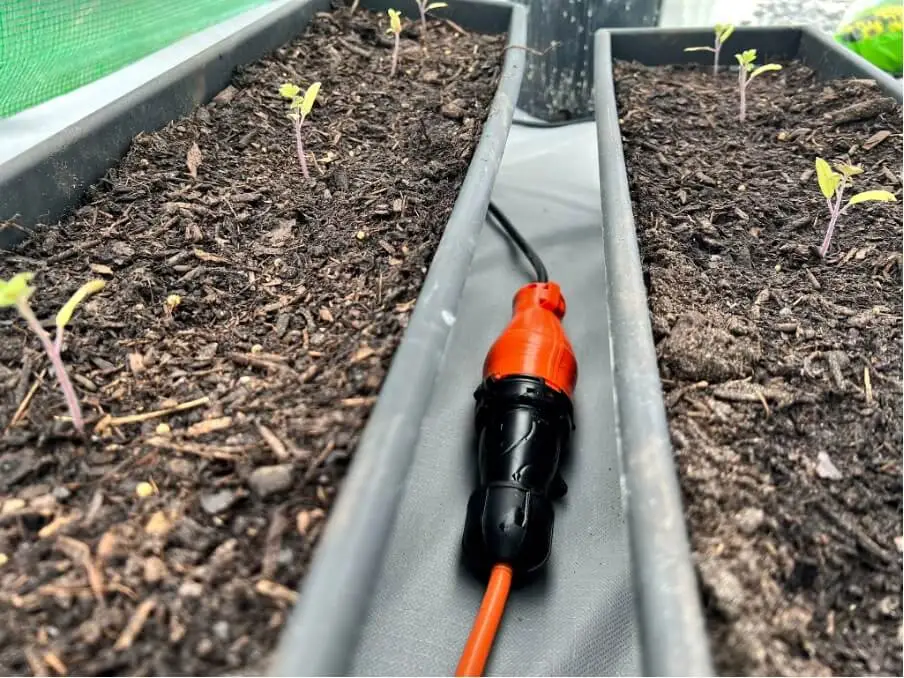
    For an outdoor extension cord that meets these requirements, check out our rugged outdoor extension cord with a safety seal lock.

    Identifying High-Quality Extension Cords: Safety Certifications and Standards

    In the realm of extension cords, not all products are created equal, and it’s essential to choose those that meet rigorous safety standards and certifications. By selecting high-quality extension cords, you can ensure reliable performance, minimized risk of electrical hazards, and peace of mind knowing that your investment is backed by industry-recognized safety protocols.

    Look for extension cords that carry certifications from reputable organizations such as Underwriters Laboratories (UL), Intertek (ETL), or the Canadian Standards Association (CSA). These certifications indicate that the cords have undergone extensive testing and meet strict safety requirements, ensuring they are fit for their intended use and pose minimal risk when used correctly.

    Additionally, pay close attention to the jacket material and construction of the extension cord. High-quality cords often feature durable jackets made from materials like thermoplastic elastomer (TPE) or polyvinyl chloride (PVC), which offer superior resistance to abrasion, moisture, temperature extremes, and other environmental factors. These jackets help protect the internal wiring and ensure the cord’s longevity and reliable performance, even in demanding conditions.

    It’s also important to consider the quality of the plugs and connectors used on the extension cord. Well-designed plugs and connectors should fit snugly into outlets and provide a secure connection, minimizing the risk of arcing or overheating. Look for extension cords with molded plugs and strain relief features that prevent the cord from being pulled or stressed at the connection points.

    By prioritizing safety certifications and quality construction, you can have confidence in the extension cord you choose, knowing that it meets industry standards and is designed to provide reliable performance while minimizing potential hazards.

    Extension Cord Maintenance and Storage: Best Practices for Prolonged Life and Safety

    Proper maintenance and storage practices are essential for ensuring the longevity and safe operation of your extension cords. By following these best practices, you can protect your investment, minimize the risk of accidents or premature failure, and maximize the lifespan of your extension cords.

    1. Inspect Before Use

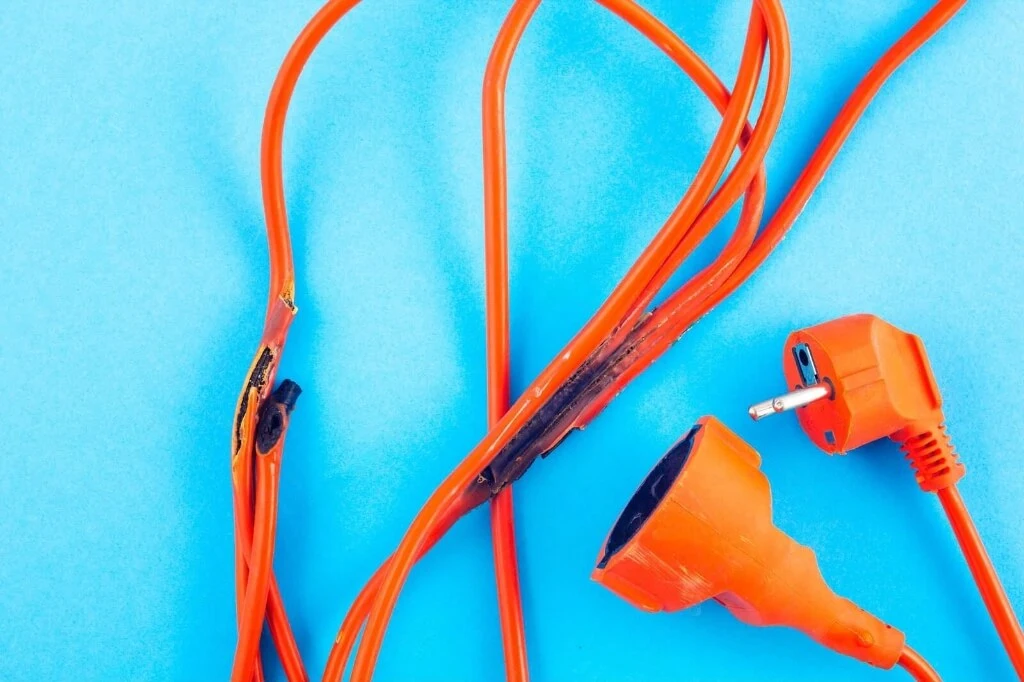
    Before using an extension cord, always perform a thorough visual inspection to check for signs of damage, such as frayed or exposed wires, cracks in the jacket, or damaged plugs or connectors. If any damage is detected, no matter how minor it may seem, it’s crucial to replace the cord immediately. Using a damaged extension cord can pose serious safety risks and should be avoided at all costs.

    Additionally, inspect the cord for any signs of overheating, such as discoloration, melting, or a burning odor. These indicators may suggest that the cord has been overloaded or subjected to excessive voltage drop, which can compromise its integrity and safety.

    2. Avoid Overloading

    Never exceed the rated amperage or wattage capacity of an extension cord. Overloading can cause the cord to overheat, potentially leading to electrical fires, damage to connected devices, or even personal injury. Always consult the manufacturer’s specifications and ensure that the combined power requirements of your devices fall well within the cord’s rating, leaving a comfortable safety margin.

    3. Protect from Moisture and Extreme Temperatures

    Moisture and extreme temperatures can degrade the insulation and performance of extension cords over time. When using outdoor cords, ensure they are rated for the specific weather conditions you’ll be encountering, and store them in a dry, temperature-controlled environment when not in use. Protecting your extension cords from excessive moisture and temperature extremes can significantly prolong their lifespan and ensure reliable operation.

    It’s also important to note that some extension cords may be designed for specific temperature ranges or weather conditions. For example, cold-weather extension cords feature jackets that remain flexible in freezing temperatures, while others may be rated for use in high-heat environments. Always check the manufacturer’s specifications and choose the appropriate cord for your intended conditions.

    4. Proper Handling and Storage

    Proper handling and storage techniques are essential for maintaining the integrity of your extension cords. Avoid kinking, twisting, or stepping on the cords, as these actions can damage the internal wiring and insulation. When not in use, coil or wind the cords loosely to prevent kinking, and store them in a cool, dry place away from direct sunlight or heat sources. Additionally, avoid exposing the cords to sharp objects or excessive weight, which can compromise their structure and increase the risk of damage.

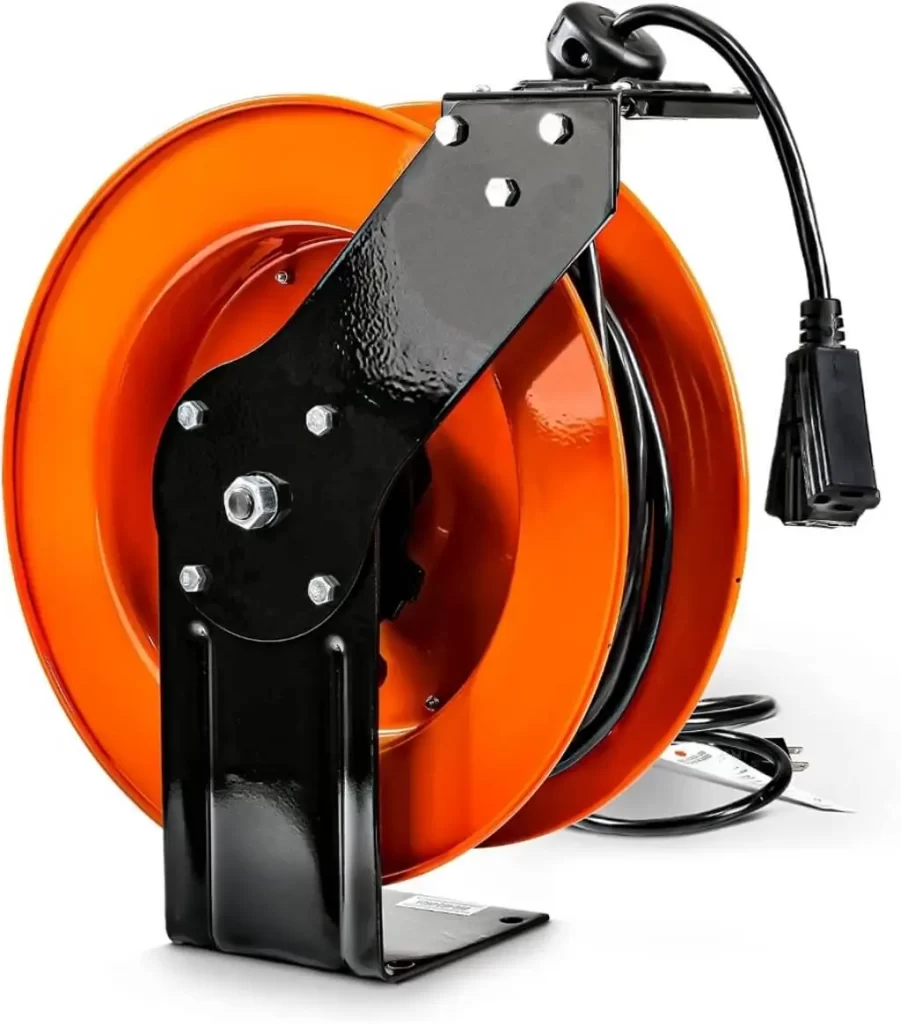
    It’s also advisable to store extension cords in a dedicated storage area or container, such as a cord reel or a sturdy box. This not only helps to protect the cords from potential damage but also keeps them organized and easily accessible when needed.

    5. Regular Replacement

    Even with proper maintenance and care, extension cords have a limited lifespan and will eventually need to be replaced. Regularly inspect your cords for signs of wear and tear, such as cracked or frayed jackets, loose connections, or discoloration. As a general guideline, consider replacing household extension cords every few years and heavy-duty or industrial cords every five to seven years, or sooner if they show signs of excessive wear or damage. Timely replacement can help prevent potential hazards and ensure the continued safety and efficient operation of your electrical equipment.

    6. Proper Disposal

    When it’s time to replace an extension cord, it’s important to dispose of the old one properly. Never simply throw an extension cord in the regular trash, as this can contribute to environmental pollution and potentially pose risks if the cord is accidentally damaged or mishandled during disposal.

    Instead, check with your local waste management authority for proper disposal methods, which may include recycling programs or dedicated facilities for handling electrical waste. By responsibly disposing of old extension cords, you can help reduce environmental impact and ensure that any hazardous materials are handled safely.

    Conclusion

    Choosing the right extension cord is a crucial step in ensuring the safe and efficient operation of your electrical devices, whether you’re tackling a home improvement project, hosting an outdoor event, or simply optimizing the functionality of your living or workspace. By understanding the various types of extension cords available, their ratings, lengths, and gauges, and assessing your specific needs based on the environment, power requirements, and distance, you can make an informed decision that prioritizes safety and performance.

    Remember to always prioritize safety by selecting extension cords with appropriate certifications from reputable organizations and adhering to best practices for maintenance and storage. By following the comprehensive guidance provided in this article, you’ll be empowered to navigate the selection process confidently and find the perfect extension cord tailored to your unique needs.

    With the right extension cord in hand, you can seamlessly power your devices, tools, and appliances, ensuring optimal performance and eliminating the frustrations and potential hazards associated with inadequate or improper cords. Embrace the knowledge and insights gained from this guide, and approach your next project or task with confidence, knowing that you’ve made an informed choice that prioritizes safety, efficiency, and peace of mind.

    In conclusion, this comprehensive guide has provided you with the knowledge and tools necessary to navigate the world of extension cords with confidence. By understanding the significance of selecting the appropriate cord, familiarizing yourself with the various types and specifications, assessing your needs, and adhering to best practices, you can empower yourself to make informed decisions that prioritize safety, efficiency, and performance. Embrace this knowledge, and tackle your next project or task with the peace of mind that comes from having the right extension cord for the job.

    Ready to find the perfect extension cord for your needs? Explore our top-rated outdoor weatherproof extension cord today.

  • How to Replace Plug on an Extension Cord: DIY Solution

    How to Replace Plug on an Extension Cord: DIY Solution

    Replacing extension cord plug components and mastering extension cord repair techniques are key to ensuring a secure home environment. Over time, extension cords may incur damage due to dragging, vehicular runovers, or misuse, posing potential hazards. Promptly addressing these issues by correcting wiring faults or replacing a damaged plug is a vital DIY safety measure that not only mitigates electrical risks but also prolongs the lifespan of your extension cords, making it an indispensable skill for home maintenance.

    This article is your go-to DIY guide on how to replace extension cord plug elements, complete with a detailed overview of the necessary tools, a step-by-step breakdown for removing the old plug, and the methodical procedures for an extension cord plug replacement. Adhering to these instructions will ensure that your extension cords remain safely operational, upholding both their functionality and alignment with home insurance policy standards.

    Assessing the Need for Replacement

    Determining the need to replace a plug on an extension cord is a critical aspect of upholding safety and efficiency in your household. Before embarking on the replacement process, it’s imperative to recognize the signs that signify a plug or cord is ready for an update. Here are some pivotal considerations to guide you:

    • Check for Physical Damage: Inspect the cord for any visible signs of wear and tear. Look for:
      • Frayed or damaged wires.
      • Be vigilant for exposed conductors resulting from cut insulation, which could precipitate short circuits, fires, or electric shocks. Understanding the extension cord wire diagram, especially a 3 prong extension cord wiring diagram, can be instrumental in preventing such electrical mishaps.
      • Deterioration of the cord insulation, exposing live wires.
      • Be wary of any physical damage such as nailing or stapling cords to walls, as this can compromise the integrity of the cord and create a fire hazard. In such cases, extension cord end replacement or seeking out quality replacement extension cord ends becomes necessary.
    • Assess Functional Issues:
      • If the extension cord is overheating, it could indicate overuse or damage.
      • Loose plugs that don’t fit securely in the outlet may lead to short circuits, heightening the risks of electric shock or fire. It’s crucial to consult an extension cord wiring diagram or learn the proper technique for wiring extension cord plug to address these issues effectively.
      • A detached ground prong from the plug increases the risk of electric shock.
      • Employ a circuit tester to inspect for compromised outlets or power cords. An outlet that overheats under load or emits a fishy odor is an indicator of a serious electrical issue, and it may be time to consider cord plug replacement or to learn how to rewire a plug to ensure your home’s safety.
    • Safety and Compatibility:
      • Ensure the cord is UL certified to guarantee safety and appropriate wire count.
      • Verify that the cord’s electrical rating matches the appliance it’s powering.
      • Modern safety features, such as polarized blades and a comprehensive plug face that covers the outlet’s slots, are essential when wiring an extension cord. The absence of these features often signals the necessity for wiring a new extension cord.
      • To ensure proper use and avoid hazards, refrain from running cords under carpets or through doorways, as this can compromise the cord’s integrity and pose safety risks. Learning how to wire an extension cord correctly is crucial to prevent such dangers.

    Should you encounter any of the aforementioned issues, it’s a clear sign that it’s time to consider extension cord plug wiring or even replacing the entire cord to avert potential risks. Always ensure safety by selecting the appropriate type and rating for extension plug wiring that matches the cord in need of repair.

    Gathering Necessary Tools and Materials

    Commencing the task of plug replacement on an extension cord requires assembling the right tools and materials for a secure and efficient job. Below is a detailed checklist of the essentials for wiring a plug end:

    • Tools Required:
      • Wire Cutters are indispensable for severing the old plug and adjusting the wires to the ideal length, an important step in the process to wire extension cord effectively.
      • A Utility Knife is a must-have for any electrician, proving invaluable for carefully slicing away the extension cord’s outer insulation without harming the internal power tools.
      • Wire Strippers play a pivotal role in receptacle maintenance, stripping away the insulation from individual wires, thus preparing them for secure connection to a new wall outlet plug.
      • A Phillips screwdriver is essential for fastening the ground wire and bare wire to the new plug, ensuring a secure connection during assembly.
    • Materials Needed:
      • When choosing a replacement plug, it’s important to select one that corresponds with your extension cord’s type—be it a 2-prong or a 3-prong—and gauge. Look for a female plug that specifies compatibility with your cord’s specifications on its packaging.
      • Although not mandatory for the plug replacement, employing a plug-in circuit tester can be advantageous for verifying the functionality of your extension cord plug after the cord replacement process.

    Additional Tips:

    • Selecting the appropriate replacement plug is vital; confirm the type and ratings to ensure they match your extension cord, which is key to avoiding safety risks and guaranteeing the wire functions correctly.
    • During the installation of the new plug, ensure that the wire is wrapped clockwise around the screws to establish a secure and correct connection.

    Equipping yourself with the necessary tools and materials beforehand empowers you to tackle the task of wire replacement on an extension cord with confidence and preparedness.

    Need a high-quality replacement plug for your extension cord? Explore our weatherproof extension cord and find the perfect match for your needs.

    Removing the Old Plug

    Safety is paramount before commencing any repair; make sure the extension cord is disconnected to eliminate the danger of electric shock. With the wire safely disconnected, you can then proceed with the steps to remove the old plug.

    1. Identify and Cut Off the Damaged Portion:
      • Locate the damaged part of the cord, including the old plug.
      • Employing wire cutters, meticulously trim away the old plug and any frayed sections of the wire. This crucial step guarantees the removal of any compromised areas that might present a safety risk.
    2. Separating the Plug Components:
      • Should the old plug be designed to disassemble, wield a small screwdriver to deftly separate the components of the plug, ensuring the wire remains intact.
      • Carefully insert the screwdriver between the plug’s halves and wiggle it gently. This technique will aid in prying the plug apart without inflicting harm on the wire or the rest of the cord.
    3. Final Removal:
      • Whether the plug is a pop-open type or a sealed unit, make certain that the entire damaged segment, along with the old plug, is thoroughly detached from the wire of the extension cord.
      • This examination may uncover additional damage along the wire not initially evident. If further compromised wire is detected, it may be imperative to trim the cord more to eliminate all defective wiring.

    By diligently executing these steps, you’ll effectively remove the old plug and any impaired section of the wire, setting the stage for a new plug to be affixed. This meticulous approach not only heightens the safety of the DIY endeavor but also promotes the durability and effectiveness of the extension cord after the repair. It’s essential to proceed without haste and prioritize safety by handling an unplugged wire at all times.

    Preparing the Cord and Installing the New Plug

    With the old plug successfully removed, it’s now time to ready the wire for the new plug. Adhere to the subsequent steps with care to ensure a secure and effective plug replacement:

    Preparing the Cord

    1. Slide the New Plug Over the Cord: Before initiating any alterations, ensure to thread the new plug onto the wire of the cord. This step is essential to circumvent the need for re-stripping and re-cutting, should you overlook this detail later.
    2. Cutting and Stripping:
      • Cut the Outer Jacket: Approach the task with precision, carefully slicing around the cord’s outer jacket to avoid impairing the wire’s insulation. A utility knife is the ideal tool for this meticulous job.
      • Split and Trim the Jacket: Employ your fingers to gently separate the jacket at the incision and pare away any surplus material. This action will reveal the wire’s insulated core for further handling.
      • Strip the Wires: Utilize wire strippers to meticulously remove about 3/4 inch of insulation from the extremity of each wire, which typically includes black, white, and green colors, exposing the conductive material.

    Wiring the New Plug

    1. Tie an Underwriter’s KnotWhile not mandatory, it’s advisable to form an underwriter’s knot with the white (neutral) and black (hot) wires inside the plug for enhanced protection. This technique helps to alleviate strain on the wire’s internal connections.
    2. Connect the Wires to Their Respective Terminals:
      • Black (Hot) Wire: Connect to the brass terminal.
      • White (Neutral) Wire: Connect to the silver terminal.
      • Green (Ground) Wire: Connect to the green ground screw.
      • When attaching the wires, ensure they coil in a clockwise direction around the screws. This orientation promotes a more secure connection as the screws are fastened, preventing slippage of the wire.

    Securing the Plug and Final Checks

    1. Tighten the Plug ClampAfter establishing the correct connections, firmly secure the plug clamp onto the cord. This pivotal step is integral to prevent any potential dislodging of the wire.
    2. Reassemble the PlugIf the plug comes in two parts, slide the outer shell up to the wire-connected portion and join the two parts with the provided screws. Ensure the wire is properly secured and the plug body is aligned correctly.
    3. Double-Check ConnectionsBefore powering up, double-check that all wire connections are secure and that each wire is fastened to the correct terminal. Tighten any loose screws and verify that the plug is properly sealed.

    By meticulously following these steps, you can prepare the extension cord for a comprehensive safety check and testing, confirming that the wire connections are safely operational. This routine not only preserves the functionality of your extension cords but also safeguards against potential electrical hazards.

    Safety Checks and Testing

    After fitting a new plug to an extension cord, it’s vital to conduct detailed safety checks and wire testing to ensure the cord’s optimal safety and functionality. Adhere to these structured steps to finalize the installation process:

    Safety Checks

    1. Visual Inspection:
      • Inspect the extension cord for any visible damage such as frayed wires, burn marks, or loose wire connections that could compromise safety.
      • Verify that the cord’s grounding pin is intact, as this wire component is essential for preventing electrical hazards and ensuring user safety.
    2. Proper Wiring Verification:
      • Employ an outlet tester to validate the correct wire configuration, including checks for open grounds, open neutrals, and reversed hot and neutral wires to ensure electrical safety.
      • Utilizing a multimeter to test for continuity, voltage, and grounding is crucial in verifying the electrical integrity of the wire, ensuring the cord functions properly.

    Testing Procedures

    1. Initial Power Test:
      • Plug the cord into a known good outlet to verify it’s receiving power.
      • To assess functionality, connect a test lamp or a small appliance to the wire’s outlet end and observe its operation.
    2. Flexibility and Connection Test:
      • While the test lamp or appliance is operational, gently flex the wire at each end and keep an eye out for any flickering or interruptions in power, which may signal a connection issue.
    3. Advanced Testing (Optional):
      • For a more thorough examination, employ a non-contact voltage sensor along the wire from the source to the output, which is effective in pinpointing breaks in the hot lead.
      • If problems persist with the wire, it may be necessary to cut the cord to install a new plug or socket on the intact half, or for professional-grade cords, use specialized equipment like a Time Domain Reflectometer (TDR).

    Post-Testing Safety Measures

    • Once testing is complete, make sure the wire is safely disconnected from any power source before proceeding with any adjustments.
    • Recheck all wire connections for tightness and confirm that any replacement plug matches the original cord’s amperage and voltage ratings to ensure compatibility and safety.
    • Use a lighted extension cord for easy power indication during future uses.

    By adhering to these safety checks and testing procedures, users can confidently ensure their wire-encased extension cords are safe and operational. This not only protects the devices connected to the cords but also safeguards the users from potential electrical hazards.

    Conclusion

    Throughout this article, we’ve emphasized the critical importance of maintaining the safety and efficiency of your home by regularly checking and, when necessary, replacing the plugs on your wire-embedded extension cords. Through detailed guidance, we’ve navigated the process of identifying a worn or damaged plug, gathering the requisite tools and materials, and meticulously executing the removal and installation of a new plug. Our journey underscores not only the practical steps involved but also the paramount importance of adhering to safety precautions at every turn to prevent potential hazards.

    As we conclude, the final measure of our efforts comes through rigorous testing to ensure the wire within the cord functions safely and correctly. This essential step bridges our work from procedure to practice, providing peace of mind that the diligent work performed significantly contributes to a safer home environment. Let this article serve as a comprehensive guide not only for a single repair but also as a foundation for maintaining the overarching safety and functionality of all the electrical tools and appliances in your care.

    Ready to ensure your extension cords are up to the task with a solution designed for longevity and reliability? Discover the only product you’ll need for secure, efficient power management. Get your durable, weatherproof extension cord now.