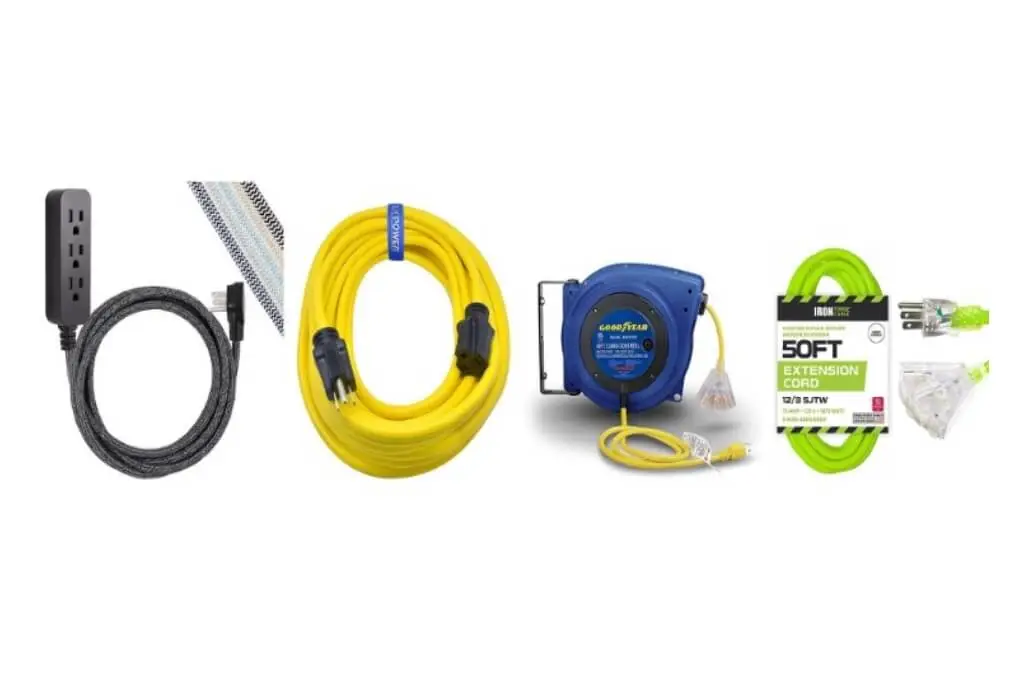
Day: March 29, 2024

  • What Gauge Extension Cord Do You Need for Your Power Tools?

    What Gauge Extension Cord Do You Need for Your Power Tools?

    Selecting the right gauge extension cord gauge guide for power tools is crucial for ensuring both the performance of your tools and your safety.

    The wire gauge of an extension cord refers to the thickness of the wire inside, which dictates its capacity to carry current without overheating. Understanding this and matching it to the power requirements of your tools is key to preventing damage to your equipment and potential safety hazards.

    Using an incorrect gauge can lead to insufficient power delivery. This reduces the efficiency of power tools and increases the risk of overheating or fire hazards.

    Therefore, it is essential to identify your power tool’s amperage requirements and select an extension cord that can handle the current without causing voltage drops or overheating.

    This introduction will pave the way for a more in-depth look at how to accurately match extension cords to the diverse needs of your power tools.

    Covering everything from the extension cord gauge guide to the extension cord amp rating, including cord length and safety considerations.

    Understanding Extension Cord Gauge and Its Importance

    Understanding the wire gauge of an extension cord is pivotal for the safety and efficiency of power tools.

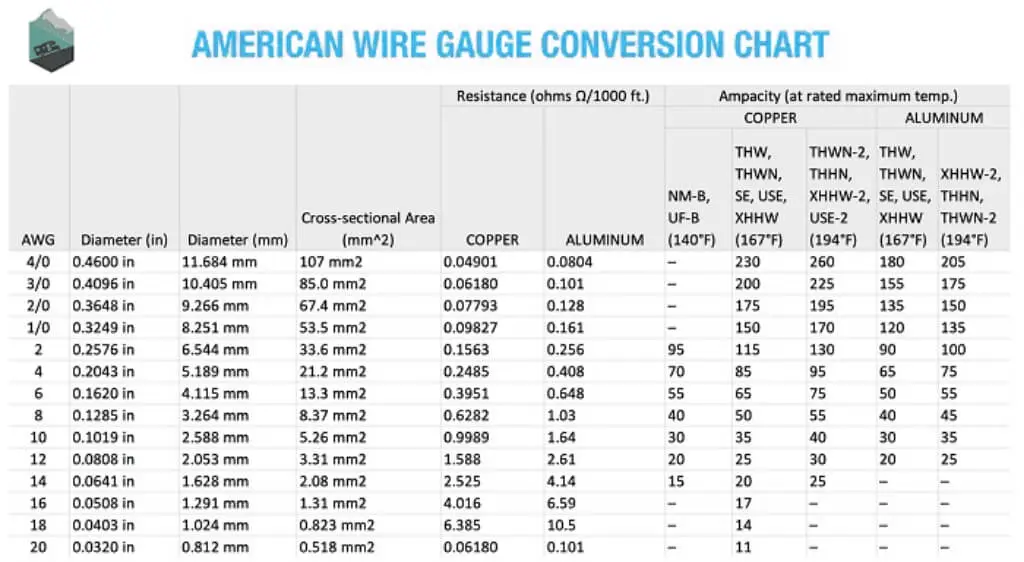
    The gauge, denoted by American Wire Gauge, measures the thickness of the wire within the cord.

    Here’s a simple breakdown that illustrates the importance of the AWG rating:

    Lower AWG number = Thicker wire

    A lower wire gauge number signifies a thicker wire, capable of carrying more current without overheating.

    This is crucial for power tools that draw a significant amount of power, ensuring they operate at their best.

    Amperage and Gauge Relationship

    The thickness of the wire directly influences its amperage load capacity.

    Essentially, thicker wires with the appropriate wire gauge can handle a higher amperage, ensuring that power tools operate efficiently without the risk of overheating or fire hazards.

    To match the gauge of an extension cord with the power requirements of your tools, consider the following guide and be mindful of cord lengths:

    Identify Power Tool Requirements

    Check the amperage requirement of your power tools.

    This information is typically found on the tool itself or in the user manual, and is a critical part of this guide, ensuring you match the motor specs accurately.

    Select the Correct Gauge

    Consult an extension cord gauge chart to pair your tool’s amperage with the correct extension cord gauge.

    For example, a 14-gauge extension cord is well-suited for tools that operate up to 15 amps, making it an ideal choice for medium-duty tasks.

    Extension Cord Gauge Guide:
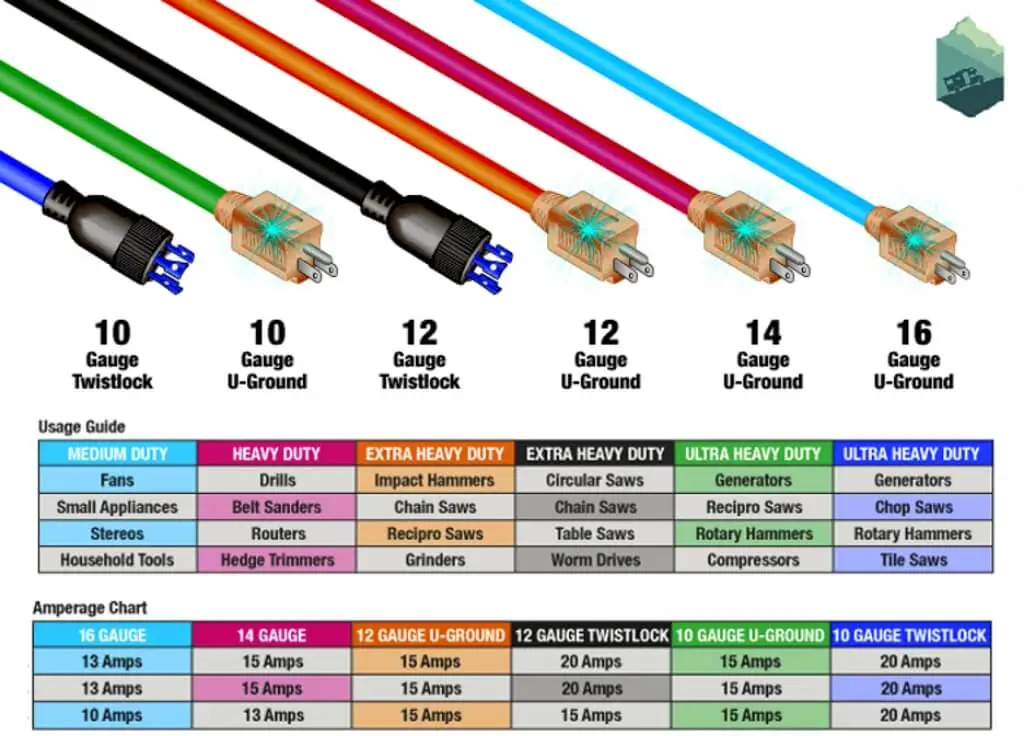
    • 16-gauge: For light-duty extension cords, which cater to items like lamps and small appliances drawing up to 10 amps, the cord size should not exceed 50 feet to maintain efficiency and safety.
    • 14-gauge: Medium-duty applications, such as operating power tools and small appliances that require up to 15 amps, are best served by extension cord lengths that do not surpass 100 feet to ensure reliable power delivery.
    • 12-gauge: Heavy-duty tasks demand robust solutions; therefore, using an extra heavy-duty extension cord for large power tools and appliances up to 20 amps is recommended, with a cord size that can extend up to 150 feet.
    • 10-gauge: For the most demanding applications involving industrial equipment and machinery, an extra heavy-duty extension cord capable of handling up to 30 amps is advisable, with cord sizes reaching up to 250 feet for optimal performance.

    Utilizing an extension cord with a gauge too thin can lead to hazardous conditions, such as overheating and fires.

    The cord lengths also influence performance, with longer cords introducing more electrical resistance and potential voltage drops.

    To ensure maximum efficiency and safety, select the shortest cord necessary for your work, as advised by this guide.

    In conclusion, choosing the right gauge for your extension cord is not solely about enhancing tool efficiency; it’s a vital safety precaution.

    Aligning your tool’s amperage with the appropriate gauge and mindful cord length selection contributes to a higher safety scoreboard and guarantees secure, efficient operation.

    Identifying Your Power Tool’s Requirements

    Identifying your power tools’ energy needs is paramount for efficient and safe operation.

    This crucial step involves understanding the motor specs to ensure your tools perform optimally.

    Here’s a method to accurately determine the amperage requirements of your power tools:

    Check the Tool’s Nameplate:

    • Look for the nameplate on the tool’s body or motor housing.
    • The nameplate typically lists the tool’s amperage (amps) requirement.

    Tool Amperage Guide:

    • Small power tools like sanders and jigsaws need 2 to 8 amps. Heavier equipment, such as routers and saws, typically draw 6 to 16 amps.
    • Specialized tools have their specific amperage requirements:
      • Oscillating Multi-Tool: 2-4 amps
      • Drills: 6-10 amps
      • Sanders: 2-10 amps
      • Grinders: 7-15 amps
      • Rotary Hammers: 10-15 amps
      • Circular Saw: 13-15 amps
      • Routers: 13-15 amps
      • Core Drills: 15-20 amps

    Electrical Service Consideration:

    • Contemporary residences, constructed within the past 40 years, are usually equipped with an electrical supply ranging from 100 to 200 amps, which is adequate for operating both household appliances and power tools while maintaining electrical safety.
    • Dwellings erected before 1950 that possess a 60-amp service might necessitate an electrical upgrade to enhance electrical safety and prevent circuit breakers from tripping when utilizing power tools.

    Upon ascertaining the amperage needs, it’s essential to pair these with the correct gauge of the extension cord as per the extension cord gauge guide.

    The aim is to select a cord that can manage the power tools’ current and voltage demands without causing voltage drops or overheating.

    Always consult the tool’s user manual or adhere to the manufacturer’s specs, particularly for tools that need 220V 20A.

    For safety and peak performance, check the prongs for damage before use, and ensure power tools are operated away from any hazardous conditions.

    Selecting the Right Extension Cord Gauge

    Choosing the right gauge for an extension cord is a critical step to guarantee the safety and efficiency of your power tools.

    The wire gauge within the extension cord dictates the current it can carry without risk. Employing a cord that’s too thin can result in overheating, tool damage, or even fire hazards.

    Here’s a guide to aligning the extension cord gauge with the power demands of various tools:

    Small Appliances (Up to 13 Amps):

    16-gauge cord: For devices drawing up to 13 amps, such as lamps or small power tools, selecting extension cord lengths and cord size suitable for the task is crucial. For optimal safety and performance, cords ideal for short distances, up to 50 feet, should be used.

    Larger Appliances (Up to 15 Amps):

    14-gauge cord: Extension cords designed for appliances drawing up to 15 amps, such as refrigerators or medium-sized power tools, are safer and fall within recommended extension cord lengths. For optimal performance and safety, it’s advised to use these cords for distances up to 100 feet, ensuring the cord size is appropriate for the electrical load.

    Heavy-Duty Tools (Up to 20 Amps):

    12-gauge or 10-gauge cord: For power tools or appliances that require up to 20 amps, like shop vacuums or circular saws, it’s crucial to select the right extension cord lengths. A 12-gauge cord is suitable for up to 150 feet, while a 10-gauge cord can efficiently handle distances up to 250 feet, aligning with the recommended cord size for such equipment.

    Tool AmperageRecommended Cord GaugeMaximum Cord Length
    Up to 13 Amps16 AWG50 Feet
    Up to 15 Amps14 AWG100 Feet
    Up to 20 Amps12 AWG or 10 AWG150 Feet (12 AWG) / 250 Feet (10 AWG)

    Key Considerations:

    • Length Matters: It’s essential to note that with extension cord lengths, electrical resistance increases, potentially causing a voltage drop. To maintain the correct voltage rating, for every additional 100 feet of cord, it’s wise to step up one gauge size, thus compensating for the resistance and ensuring the safety and effectiveness of your electrical setup.
    • Safety First: Selecting an extension cord with a gauge that’s suitable for the highest amperage your tools will draw is a key tip from any extension cord gauge guide. This practice ensures that your tools operate efficiently and safely, preventing the risk of wire gauge-related overheating.
    • Voltage and Plug Styles: In addition to considering the gauge and length, it’s equally important to match the voltage requirements and plug types of your tools with the extension cord. This attention to detail regarding extension cord types ensures compatibility and safety in your electrical endeavors.

    By following these expert guidelines and consulting the provided gauges of extension cords guide, you can confidently choose the appropriate gauge and extension cord lengths for your power tools. This careful selection promotes safety, efficiency, and the longevity of your valuable equipment.

    Factors to Consider When Choosing an Extension Cord

    Selecting the right extension cord for your power tools or electrical devices involves a careful consideration of several factors to ensure safety and efficiency. These factors include understanding the different extension cord types and knowing the specific types of extension cords that are best suited for your equipment’s needs.

    Current Draw and Cord Rating:

    • Be aware of the current draw of the device or power tool in use.
    • It’s crucial to choose an extension cord that can handle the required load and length. For example, a power tool that draws 15 amps should be matched with an extension cord rating that can accommodate this demand, rather than a cord with an extension cord rating of only 10 amps.
    • When shopping for extension cords, ensure the amp rating meets or exceeds your appliance’s needs. Adhering to recommended ratings is crucial.

    Type and Durability:

    • Selecting the incorrect type of extension cord, such as utilizing cords designed for outdoor use indoors, or the other way around, poses a significant risk. Understanding the different types of extension cords is crucial for electrical safety.
    • Choosing heavy-duty extension cords is wise as they provide enhanced durability and versatility for various tasks, including those outdoors, aligning with the recommended extension cord types for such applications.
    • To ensure both quality and electrical safety, look for extension cords that have been approved by independent testing laboratories, such as those that are UL-listed, or certified by Intertek (ETL) or the Canadian Standards Association (CSA).

    Length, Plug Types, and Special Features:

    • The performance of an extension cord is influenced by its length due to electrical resistance; therefore, opting for shorter extension cord lengths is advisable to reduce friction and maintain an optimal voltage rating.
    • When considering plug types, it’s important to note that extension cords come with either 2-prong or 3-prong plugs. The latter includes a ground wire connection, offering an additional layer of electrical safety by decreasing the likelihood of electrical shock and fires.
    • Incorporating special features such as a Ground Fault Circuit Interrupter (GFCI) and lighted plugs, alongside connector boxes or multiple sockets, can significantly boost your safety scoreboards while also adding convenience.

    Maintenance and Care:

    • To maximize extension cord care and enhance storage & organization, always keep cords flat and uncoiled during use, which helps prevent damage and prolongs their life.
    • A regular inspection for damage is essential for electrical safety, and it’s crucial to ensure that cords are not bent, twisted, or excessively stretched to maintain a safe environment.
    • Employing clamps, a vice, or other devices to securely hold the workpiece, along with ensuring all tools and cords are properly grounded or double-insulated, are key electrical safety measures that align with lockout tagout procedures.

    By considering the appropriate extension cord types and adhering to recommended practices, users can ensure their power tools operate efficiently.

    This would minimize the risk of damage or safety hazards that are often associated with the use of improper types of extension cords.

    Dangers of Using an Incorrect Gauge

    Understanding this guide is critical for electrical safety, as the dangers of using an incorrect gauge are multifaceted and can lead to severe consequences.
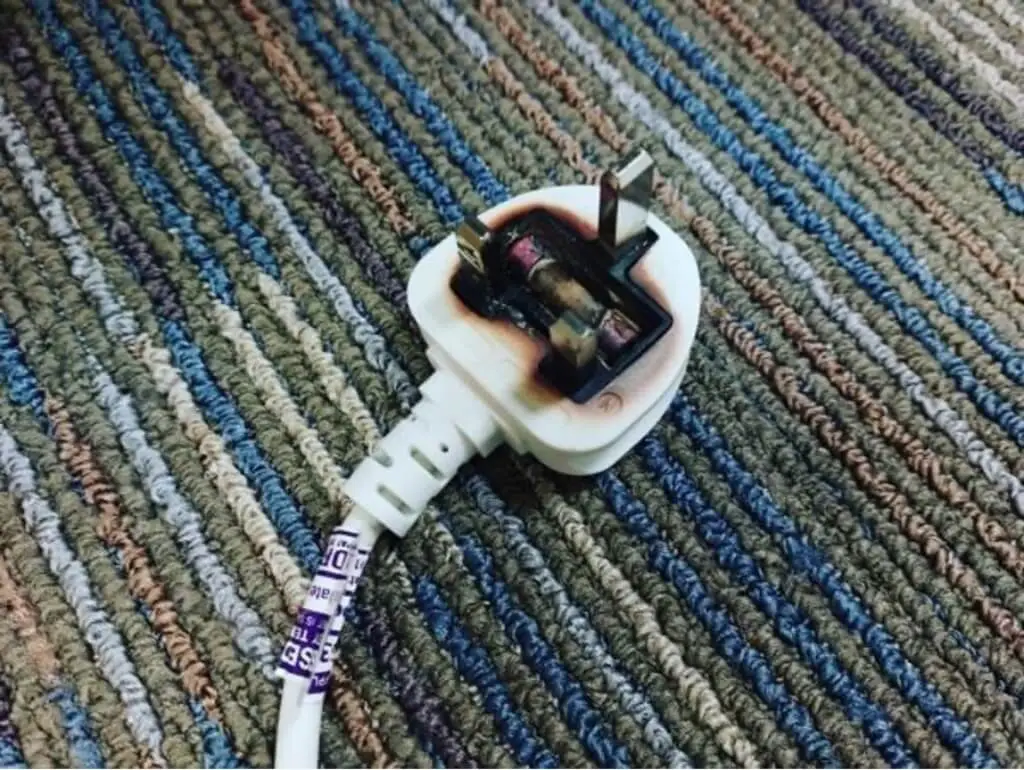
    Overheating and Fire Hazards:

    Overheating

    Furthermore, utilizing an extension cord with an improper gauge can result in overheating due to the cord’s inability to handle the required electrical current.

    This can lead to potential electrical safety hazards such as insulation melting or cord fires.

    Fire
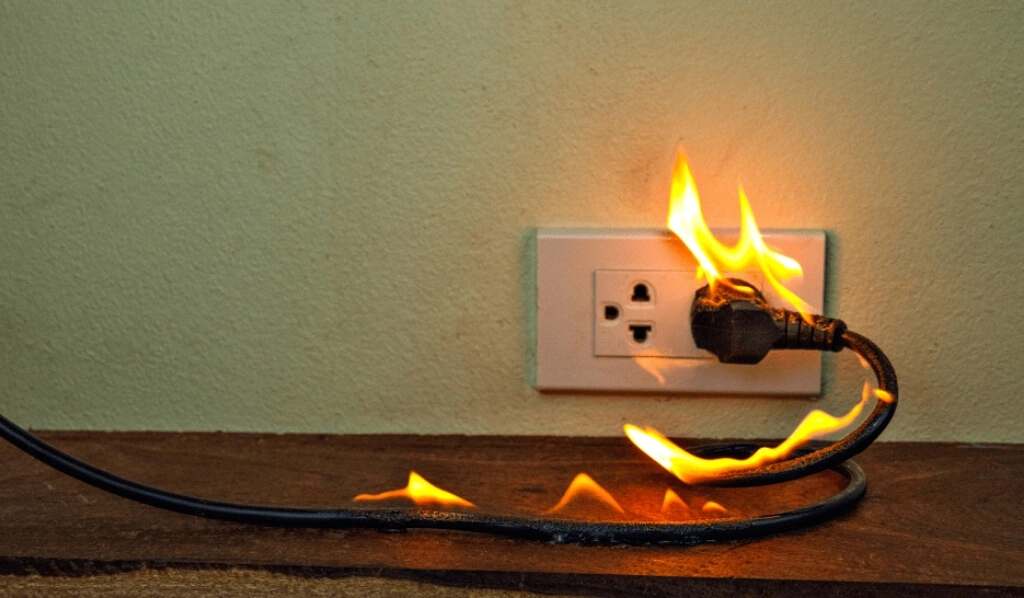
    Utilizing an extension cord that is not suitable for the power tool’s current demand can lead to fire hazards. A direct result of the excessive heat from an overtaxed electrical system.

    Consulting an extension cord gauge guide can prevent such risks by ensuring the cord’s capacity matches the tool’s requirements.

    Damaging Voltage Drop

    However, a cord that is too lengthy or thin can result in a significant voltage drop, which in turn can damage equipment and create fire hazards.

    To maintain electrical safety, it’s crucial to use the appropriate cord to prevent voltage drops that could harm motors.

    Physical Damage and Safety Risks:

    Equipment Damage

    Selecting the wrong gauge extension cord can cause power tools to fail prematurely due to insufficient voltage, posing risks to both the equipment and the user.

    Adhering to this guide recommended by the equipment manufacturer can mitigate these dangers.

    Injury Risk

    Using indoor extension cords outdoors without proper shock protection can increase injury risks and degrade the cord over time, leading to electrical safety concerns.

    Understanding the types of extension cords suitable for various environments is essential to prevent electric shock or fire hazards.

    Improper Use and Alterations:

    Overuse and Misuse

    Consequently, overloading an electrical system can create safety hazards. Awareness of extension cord ratings and adherence to electrical safety guidelines are critical to prevent these risks.

    Alteration Risks

    Altering a three-prong extension cord by removing the grounding pin to fit a two-prong outlet jeopardizes electrical safety by increasing the risk of electric shocks.

    It’s important to maintain the integrity of the cord’s safety features and avoid such modifications.

    To ensure safety and equipment longevity, it’s vital to choose the correct gauge, as outlined in this guide.

    Based on the power tool’s amperage and the required cord length. Regular inspection of cords for damage and timely replacement are key practices for safe operation.

    Safety Tips and Best Practices

    Adhering to essential extension cord safety tips and best practices is crucial for the safe and efficient use of extension cords with power tools.

    These guidelines were created to avert accidents and guarantee that your power tools function at their peak efficiency.

    Extension Cord Safety Basics:

    • Correct Power Cord Type
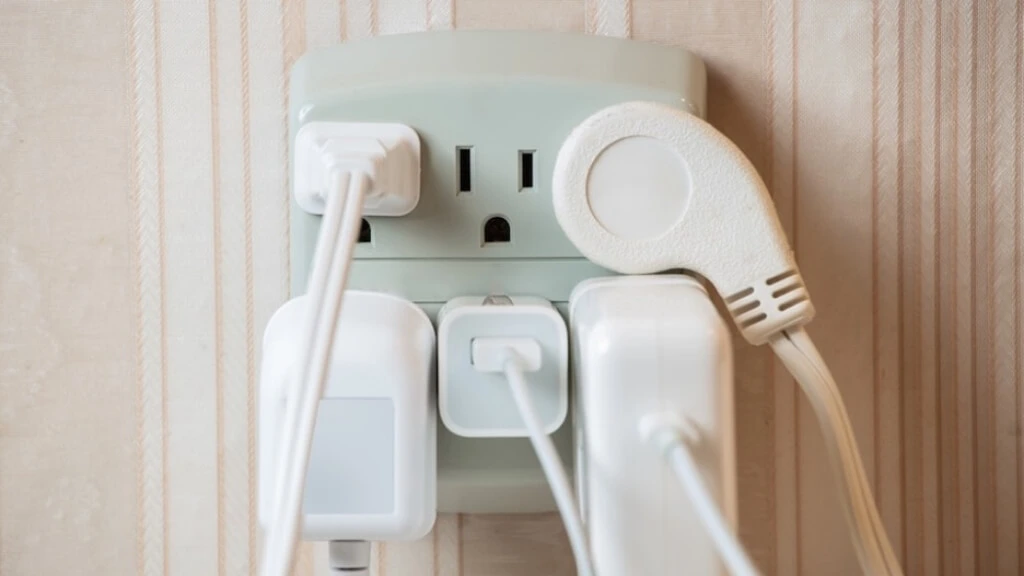
    • Avoid Overloading
    • Proper Storage of Cords
    • Do not use the Cord in Wet Conditions

    Usage and Installation:

    • Temporary Solution: Keep in mind that extension cords are intended for temporary use and are not a substitute for permanent wiring. If you’re consistently relying on extension cords, it’s wise to consider the installation of additional outlets to enhance electrical safety.
    • One Appliance Per Cord: To uphold electrical safety and prevent overloading, it’s advisable to connect only one appliance to an extension cord at any given time, in line with extension cord ratings.
    • Direct Plug-In: For optimal electrical safety, it’s advisable to plug appliances directly into mounted electrical receptacles, avoiding the hazard of chaining multiple cords together.
    • Avoid Physical Alterations: To uphold electrical safety, never snake cords through doorways, ceilings, walls, or floors where they’re prone to damage, and resist the urge to remove the grounding pin for compatibility with various outlet types.

    Maintenance and Inspection:

    • Regular Checks: Conduct a regular inspection of the cord before each use, checking for fraying or cuts, and adhere to electrical safety by replacing any damaged cords without delay.
    • Loose Connections: Ensure plugs fit securely into the electrical outlet to prevent poor connections that can lead to overheating, replacing any loose-fitting outlets to maintain electrical safety.
    • Cord Tension: Maintain a bit of slack in flexible cords to reduce stress on electrical terminals, thus preventing damage and enhancing electrical safety.
    • Safety Covers: Affix safety covers on unused receptacle outlets on extension cords to prevent accidental contact, a simple yet effective electrical safety measure.

    Adhering to these safety tips and best practices can drastically lower the risk of accidents and extend the life of your tools.

    Always prioritize safety by selecting the appropriate extension cord for the task and caring for it diligently.

    Conclusion

    Grasping the nuances of selecting the correct extension cord gauge is crucial for the safety and efficiency of your power tools.

    It’s essential to match your tool’s power requirements with the appropriate cord gauge, a process this guide makes clear.

    Utilizing cords with the right gauge ensures your power tools function without the dangers of overheating or potential fire hazards.

    The inclusion of a handy reference table simplifies the selection process, making this guide a valuable resource for safeguarding your equipment and maintaining a secure work environment.

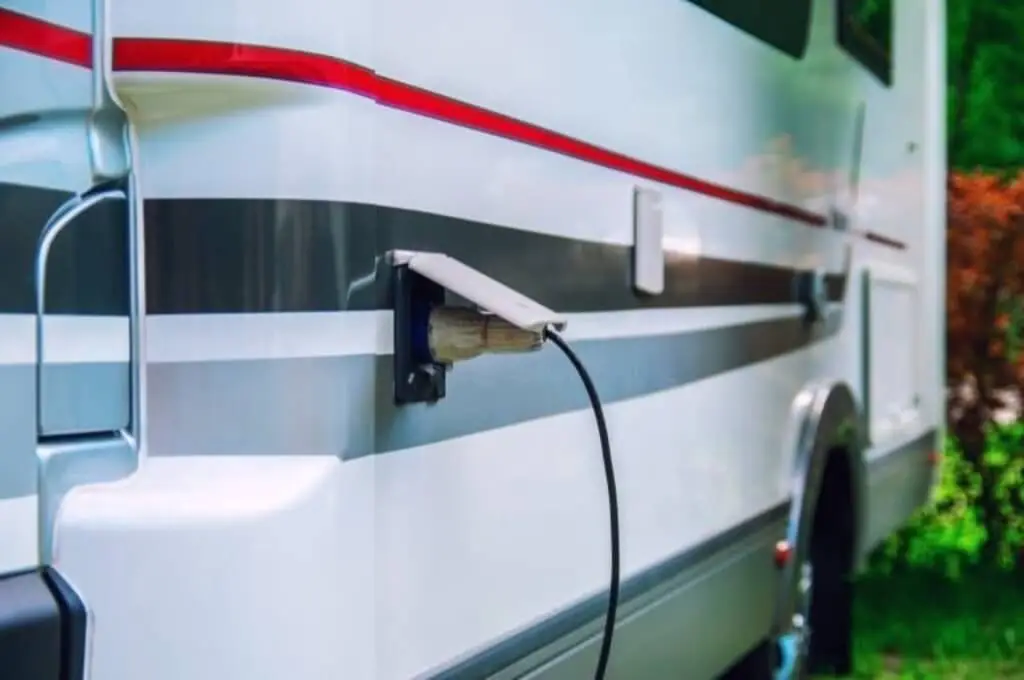
  • The Right Extension Cord for Your RV

    The Right Extension Cord for Your RV

    As an RV owner, the thrill of exploring the great outdoors comes with the essential responsibility of ensuring your electrical setup is both safe and reliable, capable of powering your RV’s essential systems and appliances. Discover what type of extension cord to use for your RV and how our weatherproof extension cord is specifically designed to meet your RV’s needs, providing a seamless blend of safety, reliability, and convenience for all your adventures. Learn more about our innovative solutions for RV enthusiasts on our homepage.

    In this comprehensive guide, we’ll delve into the world of RV extension cords, equipping you with the knowledge and expertise to make informed decisions that prioritize safety, convenience, and the integrity of your electrical system. We’ll explore the unique requirements for RV extension cords, highlight the differences between standard and RV-specific models, and provide practical tips for usage and storage to ensure your cord’s longevity and optimal performance.

    Why Choosing the Right RV Extension Cord Matters

    While an extension cord might seem like a minor detail in the grand scheme of RV ownership, its importance cannot be overstated. Using an inappropriate or substandard extension cord can have severe consequences, ranging from safety hazards to potential damage to your RV’s electrical system and appliances.

    Safety Considerations

    Selecting the wrong extension cord can pose a significant fire risk, especially in an RV environment where electrical systems are in close proximity to flammable materials. Overloaded or undersized cords can overheat, potentially igniting nearby combustible materials or leading to electrical fires. Additionally, damaged or improperly used extension cords can create shock hazards, putting you and your loved ones at risk.

    Appliance Integrity

    Many RVs are equipped with high-powered appliances like air conditioners, microwaves, and refrigerators. Using an extension cord that cannot handle the electrical load can lead to voltage drops, causing these appliances to malfunction or operate inefficiently. In some cases, it can even cause permanent damage, resulting in costly repairs or replacements.

    Convenience and Functionality

    The right extension cord can provide the flexibility and convenience you need to power your RV’s systems and appliances, even when you’re camping in remote locations without access to shore power. With a suitable cord, you can enjoy the comforts of home without compromising your RV’s functionality or your safety.

    RV Extension Cord Requirements

    When it comes to selecting an extension cord for your RV, there are several key factors to consider, including power needs, length, and durability for outdoor conditions.

    Power Needs

    RVs typically require a substantial amount of electrical power to run their various systems and appliances. Most RVs are equipped with either a 30-amp or 50-amp electrical system, and your extension cord must be rated to handle the corresponding amperage. Using an undersized cord can lead to overheating, tripped circuit breakers, and potential fire hazards.

    Length

    The length of your RV extension cord is another crucial consideration. While longer cords may seem convenient, they can also introduce voltage drop issues, reducing the power delivered to your RV. Conversely, using a cord that’s too short can result in excessive strain and potential damage to the cord or your RV’s electrical system. It’s essential to choose a cord length that strikes the right balance between convenience and safety.

    Durability for Outdoor Conditions

    RV extension cords are designed to withstand the elements, including rain, snow, and exposure to sunlight. Look for cords with weather-resistant jackets and reinforced construction to ensure they can withstand the rigors of outdoor use. Additionally, consider cords with added features like abrasion resistance and UV protection to enhance their longevity.

    Standard Extension Cords vs. RV-Specific Cords

    While it might be tempting to use a standard household extension cord for your RV, it’s important to understand the differences between these cords and those designed specifically for RV use.

    Standard Extension Cords

    Standard extension cords are typically designed for indoor or light outdoor use and may not be suitable for the demands of RV life. These cords often lack the durability, weather resistance, and amperage capacity required for powering an RV’s electrical system and appliances.

    RV Extension Cords

    RV extension cords, on the other hand, are engineered to meet the specific needs of RV owners. They are designed to handle higher amperage loads, withstand outdoor conditions, and provide a safe and reliable connection between your RV and the power source.

    Regulatory Standards and Certifications

    When shopping for an RV extension cord, it’s essential to look for cords that meet industry standards and certifications. Many reputable manufacturers adhere to guidelines set forth by organizations like the Recreational Vehicle Industry Association (RVIA) and the Underwriters Laboratories (UL).

    RVIA Standards

    The RVIA is a prominent organization that sets safety standards for RVs and RV components, including extension cords. RVIA-certified cords are designed to meet specific requirements for amperage capacity, temperature rating, and overall durability, ensuring they can withstand the demands of RV life.

    UL Certification

    The UL certification is another widely recognized safety standard for electrical products. UL-certified RV extension cords have undergone rigorous testing to ensure they meet strict safety requirements, reducing the risk of electrical hazards and fire.

    By prioritizing cords that meet RVIA and UL standards, you can have peace of mind knowing that your extension cord has been thoroughly tested and is designed to provide safe and reliable performance in an RV setting.

    Using and Storing RV Extension Cords: Practical Tips

    Proper usage and storage practices are essential to ensuring the longevity and safe operation of your RV extension cord. Here are some practical tips to keep in mind:

    Usage Tips

    1. Inspect Before Use: Before plugging in your extension cord, conduct a thorough visual inspection for any signs of damage, such as frayed or exposed wires, cracks in the jacket, or damaged plugs. If any damage is detected, replace the cord immediately.

    2. Avoid Overloading: Never exceed the rated amperage capacity of your extension cord. Overloading can lead to overheating, potential fire hazards, and damage to your RV’s electrical system.

    3. Protect from Elements: When using your extension cord outdoors, take measures to protect it from exposure to water, snow, and direct sunlight. Consider using cord protectors or covers to shield the cord from the elements.

    4. Proper Connections: Ensure that all connections are secure and tight, and avoid using damaged or worn-out plugs or sockets. Loose connections can lead to arcing, overheating, and potential fire hazards.

    Storage Tips

    1. Coil Properly: When not in use, coil your extension cord loosely to prevent kinks or twists, which can damage the internal wiring over time.

    2. Avoid Extreme Temperatures: Store your extension cord in a cool, dry place, away from direct sunlight or extreme temperatures, as these conditions can degrade the cord’s insulation and shorten its lifespan.

    3. Protect from Moisture: If your extension cord has been exposed to moisture, ensure it’s completely dry before storing it. Storing a damp cord can lead to mold growth and potential electrical hazards.

    4. Use a Storage Reel: Consider investing in a storage reel or cord organizer to keep your extension cord neatly coiled and protected from damage when not in use.

    By following these practical tips, you can extend the life of your RV extension cord and ensure it operates safely and reliably for years to come.

    Top-Rated RV Extension Cord: Recommendations for Durability and Safety

    Now that you understand the importance of choosing the right RV extension cord and the factors to consider, it’s time to explore our top-rated weatherproof extension cord.

    Our Weatherproof Extension Cord stands as the first truly weatherproof extension cord, brilliantly marrying design with functionality. Whether you’re a beginner seeking simplicity or a professional demanding ruggedness, this cord is designed to meet your needs. Buy Now!

    Ideal for a variety of outdoor applications, it is your go-to solution for backyard maintenance, holiday festivities, camping, construction sites, and more.

    Unmatched Weather Resistance: Certified to resist rain, snow, and sun damage, our extension cords ensure your yard, farm, or work site remains powered under any condition.

    Built for Portability and Durability: Crafted from durable NEMA 4X ABS, Polycarbonate, and PP materials, these cords offer long-lasting protection without the need for additional accessories.

    Aesthetic Appeal: Our extension cord breaks the norm with a curvaceous shell that proves functionality can also be aesthetically pleasing.

    Safety First Design: An innovative design prevents accidental unplugging and tampering, ensuring a safe and secure power supply.

    Easy Installation: The cord effortlessly fits any North American standard plug, making setup a breeze.

    Product Reviews: Our customers have tested the Power Shell Weatherproof Extension Cord in the harshest conditions, from relentless rain to brutal sun, and its performance has been consistently impressive. Whether it’s for connecting a battery tender in the rain or powering Christmas projector lighting, our cord delivers reliability and protection against shorting out or damage from environmental factors.

    Why Choose Our Weatherproof Extension Cord? Our heavy-duty cables and protective shells provide exceptional waterproof, dirt-proof, and dust-proof protection. This is crucial for long-term setups like holiday decorations, where the risk of electrical issues increases at night.

    Conclusion

    Choosing the right extension cord for your RV is no trivial matter. It’s a crucial component that ensures the safe and reliable operation of your electrical systems and appliances, enabling you to enjoy the comforts of home on the road without compromising your safety or the integrity of your RV.

    By following the guidance and recommendations provided in this comprehensive guide, you’ll be equipped with the knowledge and expertise to select an RV extension cord that meets your specific needs, adheres to industry standards, and provides the durability and safety features you deserve.

    Remember, investing in a high-quality, RV-specific extension cord is not just about convenience it’s about protecting yourself, your loved ones, and your valuable RV investment. With the right extension cord in your arsenal, you can confidently embark on your adventures, knowing that your electrical setup is secure and ready to handle the demands of life on the road.

    So, whether you’re a seasoned RV enthusiast or a newcomer to the world of RVing, prioritize the selection of your extension cord, and enjoy the freedom and comfort of your mobile home away from home, without compromising on safety or functionality.

    Ready to elevate your RV experience with unmatched safety and reliability? Make the smart choice today and explore our top-rated weatherproof extension cords. Secure your peace of mind and ensure your adventures are powered safely — click here to find the perfect extension cord for your RV.

  • Step-by-Step Guide: How to Connect Christmas Lights with Extension Cord Safely

    Step-by-Step Guide: How to Connect Christmas Lights with Extension Cord Safely

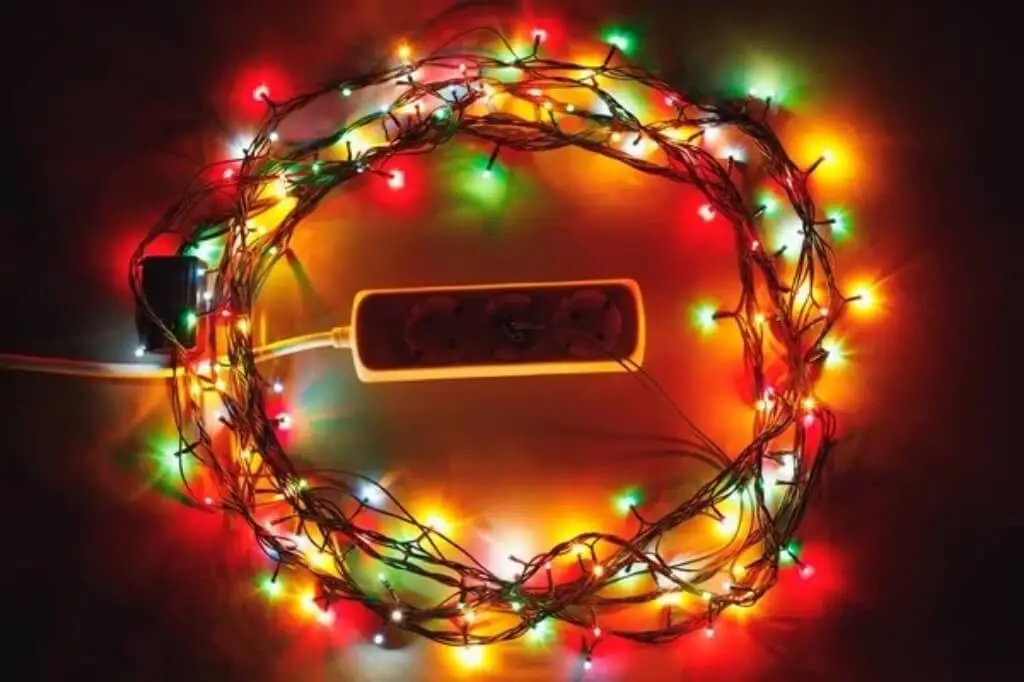
    Creating an enchanting holiday lighting display requires not just creativity but also an understanding of how to do it safely, especially when it comes to connecting Christmas lights with an extension cord. With each holiday season, the ambition to create dazzling displays grows, bringing with it the need to ensure that all decorations, particularly the intricate web of lights, are set up without jeopardizing safety.

    A drive-through Christmas lights experience offers a magical journey through illuminated wonderlands from the cozy confines of your car. Revel in the festive spirit as you traverse winding paths adorned with twinkling lights, animated displays, and enchanting scenes, all choreographed to festive tunes.

    Perfect for families or couples seeking holiday cheer, it’s a convenient and safe way to celebrate the season while creating lasting memories amidst the dazzling spectacle of lights. According to the Electrical Safety Foundation International (ESFI), extension cords are the culprit behind approximately 3,300 home fires annually, leading to 50 deaths and highlighting the paramount importance of electrical safety during the holiday season.

    This guide seeks to arm holiday decorators, whether novices or seasoned, with the knowledge to safely connect multiple Christmas lights using extension cords. It will provide tips on choosing the right type of extension cords for outdoor use—taking into account factors like electrical load, cord length, and weather resistance—and offer strategies to manage the layout of cords to minimize risks and electrical hazards.

    Choosing the Right Extension Cords

    To ensure your holiday lighting display is both dazzling and safe, selecting the right extension cord christmas lights is crucial. Here’s a guide to help you choose wisely and connect your Christmas lights safely:

    Outdoor vs. Indoor Use:

    • Outdoor Extension Cords: Must be UL-listed and rated for outdoor use. They are designed with thick insulation materials like rubber, vinyl, or plastic to protect against moisture, UV rays, and varying temperatures. Look for cords with a three-prong plug for grounding to prevent electrical fires.
    • Indoor Extension Cords: Suitable for indoor use only. They lack the protective insulation necessary for outdoor conditions and should not be used outside to power your Christmas lights.

    Understanding Ratings and Specifications:

    • Wattage Capacity: Check the wattage rating of the extension cord to ensure it can handle the combined wattage of your Christmas lights. Overloading the cord can lead to overheating and potential fire hazards.
    • Length and Gauge: Opt for a cord length under 100 feet to avoid voltage drops and ensure efficient power transmission. A 16-gauge cord is recommended for light-duty use, but for longer distances or larger light setups, a 14-gauge cord may be more appropriate.
    • Connectivity Limit: Avoid connecting more than three strings of incandescent lights to prevent overloading. LED lights are preferable due to their lower energy consumption and reduced heat generation.

    Safety Tips:

    • Always inspect cords for damage before use. A frayed or damaged cord is a fire risk.
    • Never run extension cords under rugs, carpets, or through windows and doors where they can be pinched or damaged.
    • Ensure all outdoor electrical outlets are equipped with a Ground Fault Circuit Interrupter (GFCI) to protect against electrical shocks.
    • When connecting multiple Christmas lights, use heavy-duty, Christmas lights outdoor-rated extension cords and place them discreetly to avoid tripping hazards.

    By adhering to these guidelines, you can create a festive and safe holiday lighting display that brings joy without compromising on safety.

    Safety First: Understanding Electrical Load

    Understanding the electrical load is crucial when connecting Christmas lights extension cords to ensure safety and prevent overloading. Here’s a breakdown of key considerations:

    Electrical Load Basics:

    • Voltage (V) measures the force of electricity. It’s calculated as wattage divided by amperage (Voltage = wattage/amperage).
    • Amperage (Amps) measures the amount of electricity used. To find it, divide the wattage by voltage (Wattage / Voltage = Amperage).
    • Wattage tells you how many sets of Christmas lights can be connected end-to-end. It measures the work electricity does per second.

    Fuse Types and Circuit Load:

    • Different Christmas light sets use varied fuse amperages: Incandescent Mini Light Sets and most non-replaceable LED sets use 3 amp fuses; C7, C9, G40, and G50 light sets use 5 amp fuses.
    • Overloaded circuits can lead to power interruptions. Household circuits typically handle 15-20 amps, and it’s recommended not to exceed 80% of this capacity to avoid tripping breakers.

    Practical Tips for Safe Connections:

    • Avoid plugging extension cords into each other as it can cause overloading.
    • Never exceed connecting three strings of incandescent lights; adhere to manufacturer guidelines for LED lights to prevent overloading.
    • Use LED lights to reduce power usage and prevent spikes in electricity bills. Calculate the power usage of each light display in amps and distribute runs of lights to different circuits to avoid overloading.
    • Install dedicated circuits for Christmas lights if necessary to prevent overburdening outlets and reduce fire risks.

    By adhering to these guidelines, you can safely create a dazzling holiday light display without risking overloading your electrical system.

    Professional Tips for Hiding Extension Cords

    Creating a dazzling holiday light display often involves the strategic use of extension cords, especially for outdoor setups. However, unsightly cords can detract from the beauty of your decorations. Here are professional tips for effectively hiding extension cords, ensuring your festive display remains both safe and aesthetically pleasing:

    Outdoor Concealment Strategies:

    • Utilize outdoor extension cord covers to protect and conceal cords in your exterior outdoor Christmas light displays. These covers come in various colors to blend with your landscaping or pavement.
    • Secure extension cords to the backside of gutters with clips. Place clips at both the top and bottom to ensure the cords are out of sight and protected from weather elements.
    • For cords running along the ground, consider hiding them under decorative items like baskets, or strategically placed present boxes that complement your outdoor decor.

    Indoor Concealment Techniques:

    • Hide cords on a fireplace mantel using decorative items that match your holiday theme or opt for sleek cable concealers that can be painted to match your wall color.
    • Employ command hooks to route cords along the wall or ceiling, keeping them off the floor and out of sight. This method is particularly useful for running cords to higher placements like mantels or tall Christmas trees.
    • Tape cords under rugs or run them along baseboards using adhesive hooks or clips for a tidy appearance. Ensure that cords are not frayed or damaged before concealing them to avoid fire hazards.

    General Tips for Cord Management:

    • Bundle excess cord length together using zip ties or twist ties, and then conceal with cord covers or decorative elements like fabric ribbons or twine.
    • Use furniture to your advantage by placing larger items, such as sofas or Christmas trees, in front of extension cords to hide them from view.
    • Consider the addition of extra electrical outlets, both inside and outside your home, to reduce the need for extension cords. This step requires a licensed electrician but offers a long-term solution for holiday decorating and everyday needs.

    By following these tips, you can keep your holiday lighting display both safe and beautifully uncluttered, allowing your festive decorations to shine without the distraction of visible cords.

    Connecting Multiple Christmas Lights

    To safely and effectively connect multiple Christmas tree lights extension cord, follow these step-by-step instructions that ensure both a dazzling display and adherence to safety standards:

    1. Preparation and Safety Checks:

    • Test Lights Before Installation: Plug in each set of Christmas lights to check for and replace any burnt-out bulbs. This step is crucial to avoid having to troubleshoot once the lights are installed.
    • Ensure Correct End Has Power: Always make sure the female end of the extension cord has power, not the male end, to prevent shock hazards. Use “dead males” where, when unplugged, all lights on the male end should go off, indicating it’s safe.
    • Select the Right Lights: Use indoor lights for indoor settings and outdoor lights for outdoor settings. Ensure lights have the UL seal to indicate they meet safety standards.

    2. Connecting and Arranging Lights:

    • Start Near Power Source: Begin by connecting your extension cord to a power outlet close to the base of the house, ideally on the side where the lights will be strung.
    • Run Cord Up the Gutter: This simplifies troubleshooting, reduces the number of cords needed, and keeps the setup neat. Use inline female connectors to power different sections, ensuring a continuous and safe power source.
    • Professional Light Choices: Opt for 50, 70, or 100 bulb light sets as they are easier to manage. Avoid connecting more than three strings of incandescent lights or exceeding the manufacturer’s guidelines for LED lights to prevent overloading.

    3. Safety and Maintenance:

    • Turn Off When Unattended: Always turn off Christmas lights when leaving home or going to bed to minimize risks.
    • Avoid Power Strips with Extension Cords: Plugging Christmas lights into a power strip or surge protector connected to an extension cord is not recommended due to increased fire risk.
    • Outdoor Extension Cord Care: Use ground fault outlets for outdoor extension cords for Christmas lights and inspect for any cord insulation damage to prevent electrical issues. Keep connections away from water and protect them with extension cord covers.

    By adhering to these guidelines, holiday decorators can create impressive and safe lighting displays. Remember, the key to a successful and enchanting holiday light setup lies not only in the creative arrangement of lights but also in meticulous attention to safety and electrical standards.

    Outdoor Extension Cord Safety

    Ensuring the safety and durability of your outdoor extension cord for Christmas lights display involves careful consideration of extension cord use and protection. Here are essential strategies to maintain both safety and aesthetic appeal:

    Weatherproofing and Aesthetic Management:

    • Use weatherproof gaskets or kits to safeguard outdoor Christmas decorations and lights against moisture and extreme weather conditions.
    • Tuck cords neatly into the siding on the soffit and fascia. This not only keeps connections safe from the weather but also significantly enhances the visual appeal by hiding unsightly wires.

    Electrical Safety Measures:

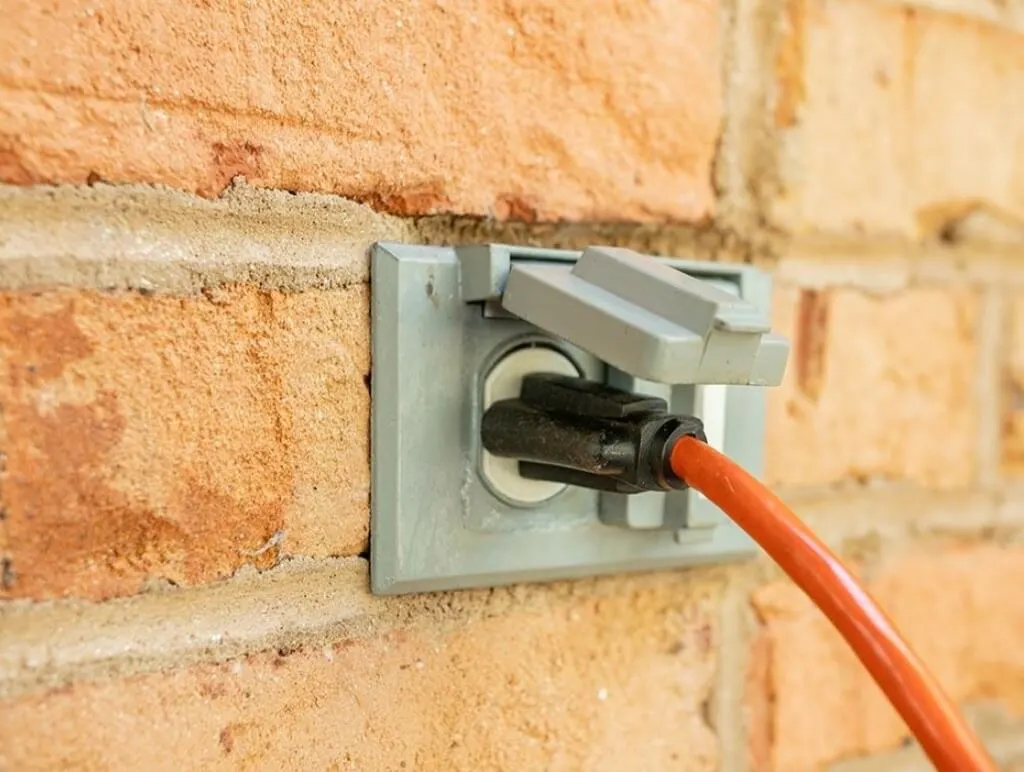
    • All outdoor outlets should be GFCI-protected outlets (Ground Fault Circuit Interrupter) to prevent electrical hazards. This is crucial for outdoor setups where moisture is a concern.
    • To further ensure safety, tape the plug of the extension cord securely. This prevents moisture from entering and potentially tripping the GFCI.
    • Employ waterproofing gaskets to fill any gaps between male and female ends of cords. This simple step can prevent moisture ingress that might otherwise trip GFCI outlets.

    Installation and Maintenance Tips:

    • Always choose UL-listed lights approved for outdoor use and conduct a thorough check for any damage before installation.
    • Secure lights and decorations in positions where they are sheltered from moisture, such as under awnings or in areas that allow for drainage if water does enter the bulb casings.
    • Use insulated staples for securing lights to structures without damaging wire insulation, ensuring a neat and secure setup.
    • Regularly inspect cords for any signs of fraying, damage, or loose wires before use, and keep them away from standing water and snow.
    • Unplug cords when not in use to conserve energy and reduce the risk of electrical issues.

    By adhering to these guidelines, holiday decorators can create a stunning and safe outdoor Christmas light display. The focus on both aesthetic and electrical safety ensures that your festive decorations will not only look fantastic but also operate safely throughout the holiday season.

    Troubleshooting Common Issues

    When connecting multiple Christmas lights with an extension cord, encountering issues is common. Here’s how to troubleshoot the most frequent problems to keep your holiday display shining bright:

    Initial Checks:

    • Inspect the extension cord and lights for any frays, cuts, or loose wires. Any damage could cause the lights not to work correctly.
    • Test the outlet with another device to ensure it’s functioning. If the device doesn’t work, the issue may lie with the outlet itself.
    • If your Christmas lights aren’t turning on, check the home’s fuse box or breaker. A tripped breaker or blown fuse could be the culprit. Reset or replace as necessary, but if the problem persists, it may indicate an overload.

    Lighting Specifics:

    • Make sure all bulbs are securely connected. A loose bulb can break the circuit, causing the entire string to go dark.
    • Replace any burnt-out bulbs with ones that match the voltage rating. This ensures consistent lighting and prevents overloading.
    • Utilize a voltage tester or bulb tester for pinpointing faulty bulbs. This can save time and prevent unnecessary replacements.

    Advanced Troubleshooting:

    • Examine each bulb to ensure they’re fully inserted into the sockets. Partial connections can disrupt the electrical flow.
    • For strings where bulbs can be removed without affecting the set, ensure bulbs are either fully in or out. Halfway placements can cause outages.
    • Adjust the wires of each bulb if necessary. Sometimes, the internal wire contacts need tweaking to establish a connection.
    • Consider using a LightKeeper Pro or similar device for more complex issues. These tools are designed for diagnosing and fixing light set problems efficiently.

    By following these steps, you can quickly identify and resolve common issues with your Christmas light setup. Remember, safety is paramount, so always disconnect the power before making any adjustments or inspections.

    Maintenance and Storage of Extension Cords and Lights

    Maintaining and storing your Christmas lights extension cord properly can significantly extend their lifespan and ensure they’re ready for the next holiday season. Here are some tips and techniques for effective maintenance and storage:

    Maintenance

    Before Storing:

    • Inspect: Check each string of lights and extension cord for damage, such as frayed wires or broken bulbs, and make necessary repairs or replacements.
    • Clean: Wipe down lights and cords to remove any debris or moisture that could cause damage during storage.
    • Dry: Ensure all items are completely dry to prevent mold or mildew from forming.

    Storage Solutions

    Lights:

    • Cardboard Wrapping: Wrap lights around pieces of cardboard, starting from the female end for easy testing next year. Label each piece with the year and color of the lights for easy identification.
    • Hangers and Magazines: Use plastic hangers or magazines to prevent tangling. For hangers, leave the male end dangling for easy charging and checking. Wrap them around a magazine, fold it, and store each string in a separate bag.
    • Custom Stands: For larger setups, consider creating a custom stand using a 4×4 and a piece of 3/4 inch plywood to organize and hang lights, preventing tangles and damage.

    Extension Cords:

    • Light-Up Cord Reels: Invest in light-up cord reels that have handles and a space for plugging in. These can hold up to 200 lights and make it easier to manage and store extension cords.
    • Coiling Techniques: Coil cords using a figure of eight or the under/over method to prevent twisting and weakening of the cable. Store in a cool, dry place, preferably in their original box or a labeled Ziploc bag.

    Safety and Efficiency

    • Electrical Safety: Always ensure that all electrical connections are plugged into a GFCI outlet before storage to prevent any potential hazards.
    • Adding Outlets: Consider adding extra electrical outlets inside and outside your home to reduce the reliance on extension cords in the future. Have a licensed electrician help with this job to ensure safety and compliance with local codes.

    By following these maintenance and storage tips, you can keep your Christmas lights and extension cords in top condition, ready to create a dazzling holiday display year after year.

    Conclusion

    Through this extensive guide, we’ve navigated the maze of safely connecting Christmas lights using extension cords, ensuring that enthusiasts and holiday decorators alike can create not just an enchanting but a secure lighting display.

    The key takeaway has been the emphasis on safety—understanding the electrical load, selecting the right extension cords, and adhering to safe practices—while still allowing for the creative arrangement of lights that brighten the holiday spirit. Even more, the professional insights into concealing extension cords underscore the possibility of achieving aesthetic excellence without compromising on safety.

    As we conclude, it’s clear that the fusion of creativity, safety, and proper planning makes for not only a dazzling but a safe holiday light display. By applying the step-by-step instructions, tips, and creative ideas outlined in this guide, both amateur and experienced holiday decorators are well-equipped to not only minimize safety risks and electrical hazards but also to illuminate their spaces with magical arrangements.

    Here’s to lighting up the holiday season the right way—by cherishing the joy these lights bring to our hearts and homes, while being mindful of the safety that keeps this joy undimmed.

    Illuminate your holiday season with confidence and safety. Equip yourself with the best outdoor extension cords designed for your festive needs and create your dazzling light display today.