Category: Blog

  • What Gauge Extension Cord Do You Need for Your Power Tools?

    What Gauge Extension Cord Do You Need for Your Power Tools?

    Selecting the right gauge extension cord gauge guide for power tools is crucial for ensuring both the performance of your tools and your safety.

    The wire gauge of an extension cord refers to the thickness of the wire inside, which dictates its capacity to carry current without overheating. Understanding this and matching it to the power requirements of your tools is key to preventing damage to your equipment and potential safety hazards.

    Using an incorrect gauge can lead to insufficient power delivery. This reduces the efficiency of power tools and increases the risk of overheating or fire hazards.

    Therefore, it is essential to identify your power tool’s amperage requirements and select an extension cord that can handle the current without causing voltage drops or overheating.

    This introduction will pave the way for a more in-depth look at how to accurately match extension cords to the diverse needs of your power tools.

    Covering everything from the extension cord gauge guide to the extension cord amp rating, including cord length and safety considerations.

    Understanding Extension Cord Gauge and Its Importance

    Understanding the wire gauge of an extension cord is pivotal for the safety and efficiency of power tools.

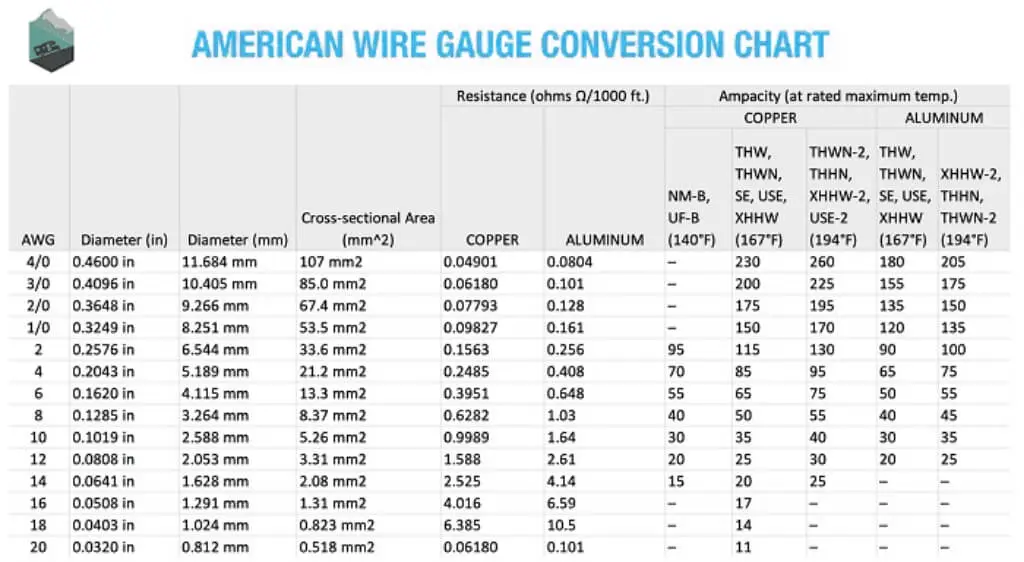
    The gauge, denoted by American Wire Gauge, measures the thickness of the wire within the cord.

    Here’s a simple breakdown that illustrates the importance of the AWG rating:

    Lower AWG number = Thicker wire

    A lower wire gauge number signifies a thicker wire, capable of carrying more current without overheating.

    This is crucial for power tools that draw a significant amount of power, ensuring they operate at their best.

    Amperage and Gauge Relationship

    The thickness of the wire directly influences its amperage load capacity.

    Essentially, thicker wires with the appropriate wire gauge can handle a higher amperage, ensuring that power tools operate efficiently without the risk of overheating or fire hazards.

    To match the gauge of an extension cord with the power requirements of your tools, consider the following guide and be mindful of cord lengths:

    Identify Power Tool Requirements

    Check the amperage requirement of your power tools.

    This information is typically found on the tool itself or in the user manual, and is a critical part of this guide, ensuring you match the motor specs accurately.

    Select the Correct Gauge

    Consult an extension cord gauge chart to pair your tool’s amperage with the correct extension cord gauge.

    For example, a 14-gauge extension cord is well-suited for tools that operate up to 15 amps, making it an ideal choice for medium-duty tasks.

    Extension Cord Gauge Guide:
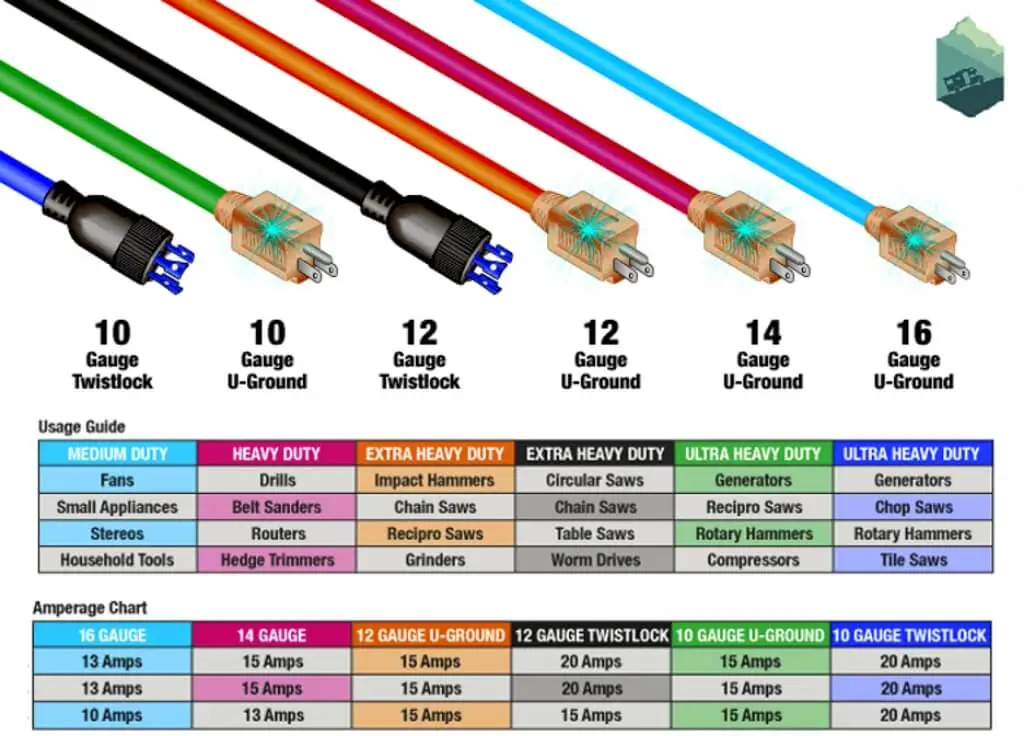
    • 16-gauge: For light-duty extension cords, which cater to items like lamps and small appliances drawing up to 10 amps, the cord size should not exceed 50 feet to maintain efficiency and safety.
    • 14-gauge: Medium-duty applications, such as operating power tools and small appliances that require up to 15 amps, are best served by extension cord lengths that do not surpass 100 feet to ensure reliable power delivery.
    • 12-gauge: Heavy-duty tasks demand robust solutions; therefore, using an extra heavy-duty extension cord for large power tools and appliances up to 20 amps is recommended, with a cord size that can extend up to 150 feet.
    • 10-gauge: For the most demanding applications involving industrial equipment and machinery, an extra heavy-duty extension cord capable of handling up to 30 amps is advisable, with cord sizes reaching up to 250 feet for optimal performance.

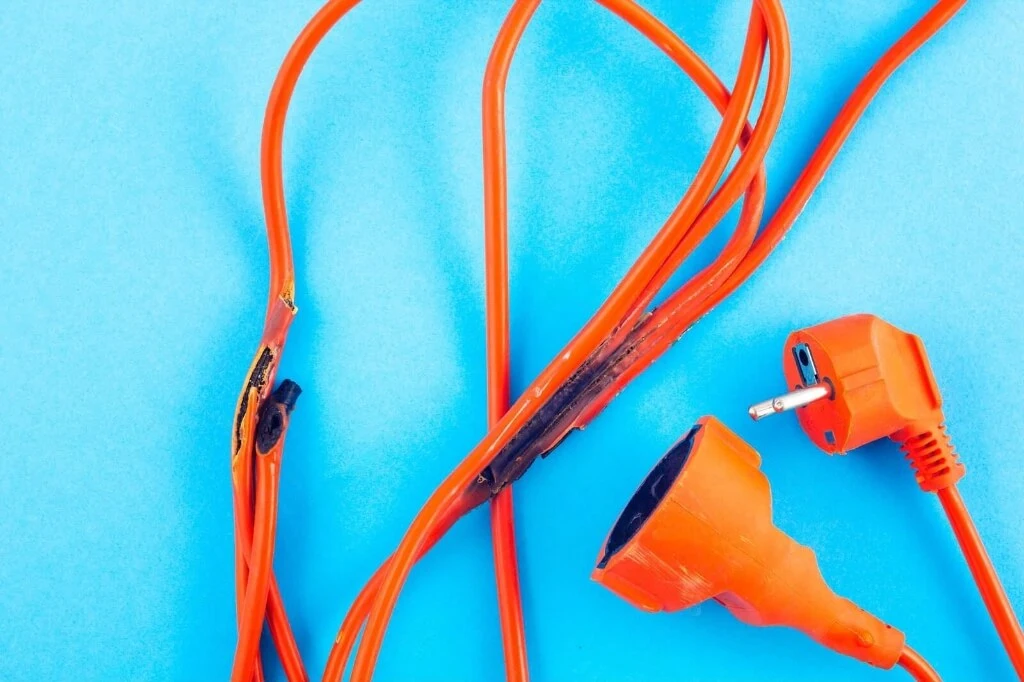
    Utilizing an extension cord with a gauge too thin can lead to hazardous conditions, such as overheating and fires.

    The cord lengths also influence performance, with longer cords introducing more electrical resistance and potential voltage drops.

    To ensure maximum efficiency and safety, select the shortest cord necessary for your work, as advised by this guide.

    In conclusion, choosing the right gauge for your extension cord is not solely about enhancing tool efficiency; it’s a vital safety precaution.

    Aligning your tool’s amperage with the appropriate gauge and mindful cord length selection contributes to a higher safety scoreboard and guarantees secure, efficient operation.

    Identifying Your Power Tool’s Requirements

    Identifying your power tools’ energy needs is paramount for efficient and safe operation.

    This crucial step involves understanding the motor specs to ensure your tools perform optimally.

    Here’s a method to accurately determine the amperage requirements of your power tools:

    Check the Tool’s Nameplate:

    • Look for the nameplate on the tool’s body or motor housing.
    • The nameplate typically lists the tool’s amperage (amps) requirement.

    Tool Amperage Guide:

    • Small power tools like sanders and jigsaws need 2 to 8 amps. Heavier equipment, such as routers and saws, typically draw 6 to 16 amps.
    • Specialized tools have their specific amperage requirements:
      • Oscillating Multi-Tool: 2-4 amps
      • Drills: 6-10 amps
      • Sanders: 2-10 amps
      • Grinders: 7-15 amps
      • Rotary Hammers: 10-15 amps
      • Circular Saw: 13-15 amps
      • Routers: 13-15 amps
      • Core Drills: 15-20 amps

    Electrical Service Consideration:

    • Contemporary residences, constructed within the past 40 years, are usually equipped with an electrical supply ranging from 100 to 200 amps, which is adequate for operating both household appliances and power tools while maintaining electrical safety.
    • Dwellings erected before 1950 that possess a 60-amp service might necessitate an electrical upgrade to enhance electrical safety and prevent circuit breakers from tripping when utilizing power tools.

    Upon ascertaining the amperage needs, it’s essential to pair these with the correct gauge of the extension cord as per the extension cord gauge guide.

    The aim is to select a cord that can manage the power tools’ current and voltage demands without causing voltage drops or overheating.

    Always consult the tool’s user manual or adhere to the manufacturer’s specs, particularly for tools that need 220V 20A.

    For safety and peak performance, check the prongs for damage before use, and ensure power tools are operated away from any hazardous conditions.

    Selecting the Right Extension Cord Gauge

    Choosing the right gauge for an extension cord is a critical step to guarantee the safety and efficiency of your power tools.

    The wire gauge within the extension cord dictates the current it can carry without risk. Employing a cord that’s too thin can result in overheating, tool damage, or even fire hazards.

    Here’s a guide to aligning the extension cord gauge with the power demands of various tools:

    Small Appliances (Up to 13 Amps):

    16-gauge cord: For devices drawing up to 13 amps, such as lamps or small power tools, selecting extension cord lengths and cord size suitable for the task is crucial. For optimal safety and performance, cords ideal for short distances, up to 50 feet, should be used.

    Larger Appliances (Up to 15 Amps):

    14-gauge cord: Extension cords designed for appliances drawing up to 15 amps, such as refrigerators or medium-sized power tools, are safer and fall within recommended extension cord lengths. For optimal performance and safety, it’s advised to use these cords for distances up to 100 feet, ensuring the cord size is appropriate for the electrical load.

    Heavy-Duty Tools (Up to 20 Amps):

    12-gauge or 10-gauge cord: For power tools or appliances that require up to 20 amps, like shop vacuums or circular saws, it’s crucial to select the right extension cord lengths. A 12-gauge cord is suitable for up to 150 feet, while a 10-gauge cord can efficiently handle distances up to 250 feet, aligning with the recommended cord size for such equipment.

    Tool AmperageRecommended Cord GaugeMaximum Cord Length
    Up to 13 Amps16 AWG50 Feet
    Up to 15 Amps14 AWG100 Feet
    Up to 20 Amps12 AWG or 10 AWG150 Feet (12 AWG) / 250 Feet (10 AWG)

    Key Considerations:

    • Length Matters: It’s essential to note that with extension cord lengths, electrical resistance increases, potentially causing a voltage drop. To maintain the correct voltage rating, for every additional 100 feet of cord, it’s wise to step up one gauge size, thus compensating for the resistance and ensuring the safety and effectiveness of your electrical setup.
    • Safety First: Selecting an extension cord with a gauge that’s suitable for the highest amperage your tools will draw is a key tip from any extension cord gauge guide. This practice ensures that your tools operate efficiently and safely, preventing the risk of wire gauge-related overheating.
    • Voltage and Plug Styles: In addition to considering the gauge and length, it’s equally important to match the voltage requirements and plug types of your tools with the extension cord. This attention to detail regarding extension cord types ensures compatibility and safety in your electrical endeavors.

    By following these expert guidelines and consulting the provided gauges of extension cords guide, you can confidently choose the appropriate gauge and extension cord lengths for your power tools. This careful selection promotes safety, efficiency, and the longevity of your valuable equipment.

    Factors to Consider When Choosing an Extension Cord

    Selecting the right extension cord for your power tools or electrical devices involves a careful consideration of several factors to ensure safety and efficiency. These factors include understanding the different extension cord types and knowing the specific types of extension cords that are best suited for your equipment’s needs.

    Current Draw and Cord Rating:

    • Be aware of the current draw of the device or power tool in use.
    • It’s crucial to choose an extension cord that can handle the required load and length. For example, a power tool that draws 15 amps should be matched with an extension cord rating that can accommodate this demand, rather than a cord with an extension cord rating of only 10 amps.
    • When shopping for extension cords, ensure the amp rating meets or exceeds your appliance’s needs. Adhering to recommended ratings is crucial.

    Type and Durability:

    • Selecting the incorrect type of extension cord, such as utilizing cords designed for outdoor use indoors, or the other way around, poses a significant risk. Understanding the different types of extension cords is crucial for electrical safety.
    • Choosing heavy-duty extension cords is wise as they provide enhanced durability and versatility for various tasks, including those outdoors, aligning with the recommended extension cord types for such applications.
    • To ensure both quality and electrical safety, look for extension cords that have been approved by independent testing laboratories, such as those that are UL-listed, or certified by Intertek (ETL) or the Canadian Standards Association (CSA).

    Length, Plug Types, and Special Features:

    • The performance of an extension cord is influenced by its length due to electrical resistance; therefore, opting for shorter extension cord lengths is advisable to reduce friction and maintain an optimal voltage rating.
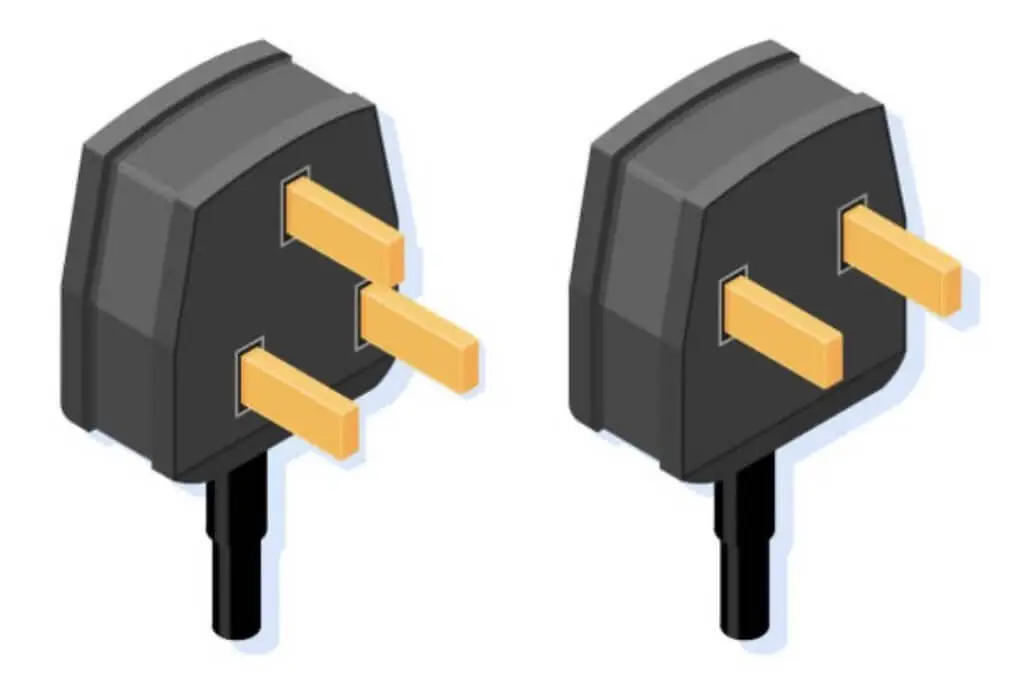
    • When considering plug types, it’s important to note that extension cords come with either 2-prong or 3-prong plugs. The latter includes a ground wire connection, offering an additional layer of electrical safety by decreasing the likelihood of electrical shock and fires.
    • Incorporating special features such as a Ground Fault Circuit Interrupter (GFCI) and lighted plugs, alongside connector boxes or multiple sockets, can significantly boost your safety scoreboards while also adding convenience.

    Maintenance and Care:

    • To maximize extension cord care and enhance storage & organization, always keep cords flat and uncoiled during use, which helps prevent damage and prolongs their life.
    • A regular inspection for damage is essential for electrical safety, and it’s crucial to ensure that cords are not bent, twisted, or excessively stretched to maintain a safe environment.
    • Employing clamps, a vice, or other devices to securely hold the workpiece, along with ensuring all tools and cords are properly grounded or double-insulated, are key electrical safety measures that align with lockout tagout procedures.

    By considering the appropriate extension cord types and adhering to recommended practices, users can ensure their power tools operate efficiently.

    This would minimize the risk of damage or safety hazards that are often associated with the use of improper types of extension cords.

    Dangers of Using an Incorrect Gauge

    Understanding this guide is critical for electrical safety, as the dangers of using an incorrect gauge are multifaceted and can lead to severe consequences.
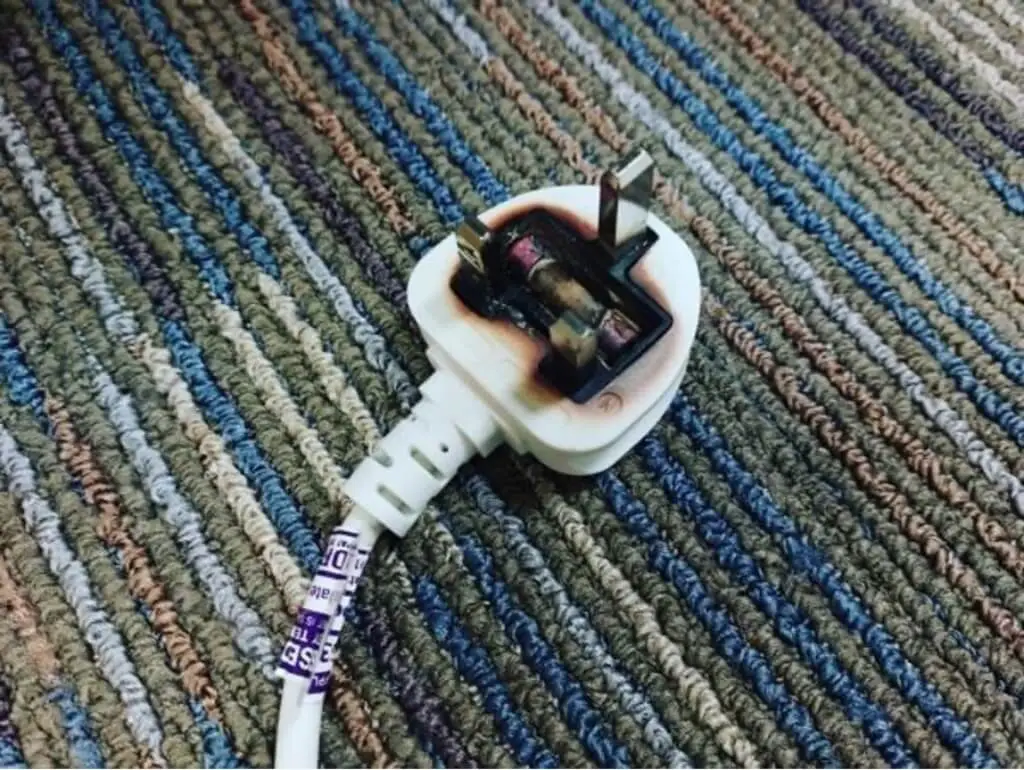
    Overheating and Fire Hazards:

    Overheating

    Furthermore, utilizing an extension cord with an improper gauge can result in overheating due to the cord’s inability to handle the required electrical current.

    This can lead to potential electrical safety hazards such as insulation melting or cord fires.

    Fire
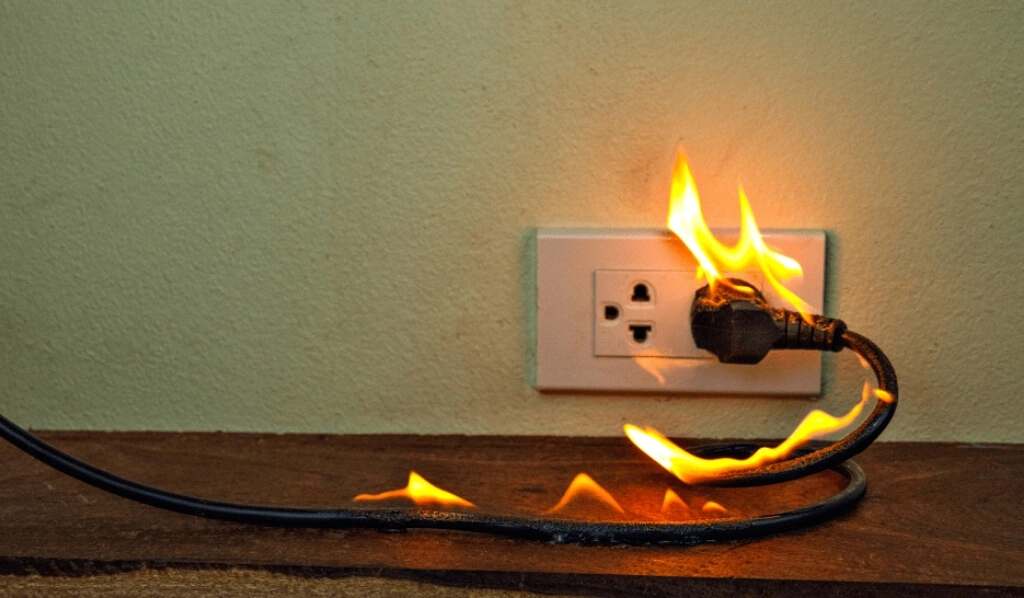
    Utilizing an extension cord that is not suitable for the power tool’s current demand can lead to fire hazards. A direct result of the excessive heat from an overtaxed electrical system.

    Consulting an extension cord gauge guide can prevent such risks by ensuring the cord’s capacity matches the tool’s requirements.

    Damaging Voltage Drop

    However, a cord that is too lengthy or thin can result in a significant voltage drop, which in turn can damage equipment and create fire hazards.

    To maintain electrical safety, it’s crucial to use the appropriate cord to prevent voltage drops that could harm motors.

    Physical Damage and Safety Risks:

    Equipment Damage

    Selecting the wrong gauge extension cord can cause power tools to fail prematurely due to insufficient voltage, posing risks to both the equipment and the user.

    Adhering to this guide recommended by the equipment manufacturer can mitigate these dangers.

    Injury Risk

    Using indoor extension cords outdoors without proper shock protection can increase injury risks and degrade the cord over time, leading to electrical safety concerns.

    Understanding the types of extension cords suitable for various environments is essential to prevent electric shock or fire hazards.

    Improper Use and Alterations:

    Overuse and Misuse

    Consequently, overloading an electrical system can create safety hazards. Awareness of extension cord ratings and adherence to electrical safety guidelines are critical to prevent these risks.

    Alteration Risks

    Altering a three-prong extension cord by removing the grounding pin to fit a two-prong outlet jeopardizes electrical safety by increasing the risk of electric shocks.

    It’s important to maintain the integrity of the cord’s safety features and avoid such modifications.

    To ensure safety and equipment longevity, it’s vital to choose the correct gauge, as outlined in this guide.

    Based on the power tool’s amperage and the required cord length. Regular inspection of cords for damage and timely replacement are key practices for safe operation.

    Safety Tips and Best Practices

    Adhering to essential extension cord safety tips and best practices is crucial for the safe and efficient use of extension cords with power tools.

    These guidelines were created to avert accidents and guarantee that your power tools function at their peak efficiency.

    Extension Cord Safety Basics:

    • Correct Power Cord Type
    • Avoid Overloading
    • Proper Storage of Cords
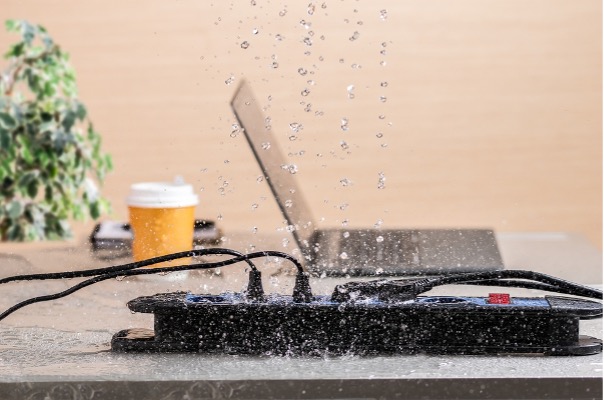
    • Do not use the Cord in Wet Conditions

    Usage and Installation:

    • Temporary Solution: Keep in mind that extension cords are intended for temporary use and are not a substitute for permanent wiring. If you’re consistently relying on extension cords, it’s wise to consider the installation of additional outlets to enhance electrical safety.
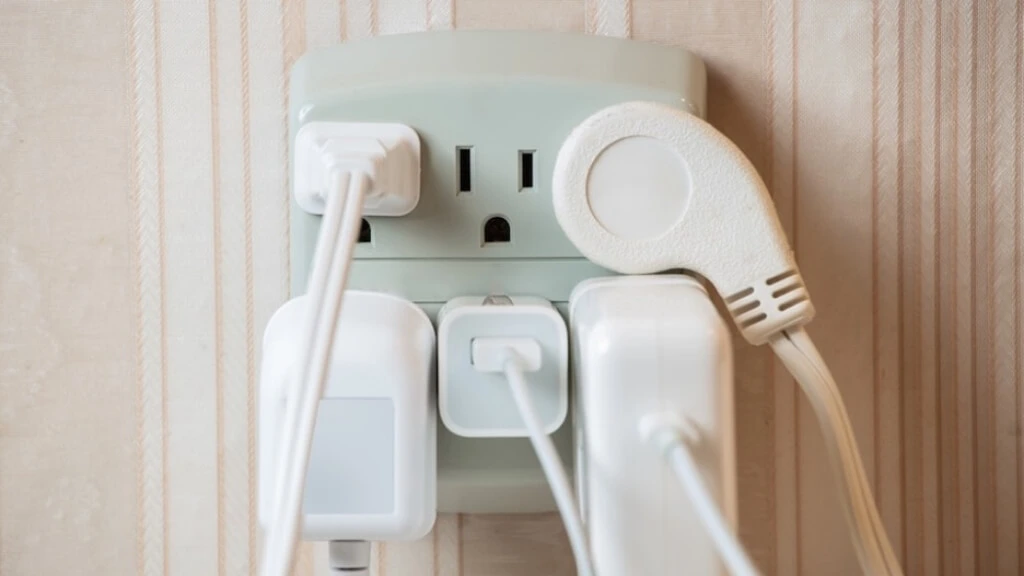
    • One Appliance Per Cord: To uphold electrical safety and prevent overloading, it’s advisable to connect only one appliance to an extension cord at any given time, in line with extension cord ratings.
    • Direct Plug-In: For optimal electrical safety, it’s advisable to plug appliances directly into mounted electrical receptacles, avoiding the hazard of chaining multiple cords together.
    • Avoid Physical Alterations: To uphold electrical safety, never snake cords through doorways, ceilings, walls, or floors where they’re prone to damage, and resist the urge to remove the grounding pin for compatibility with various outlet types.

    Maintenance and Inspection:

    • Regular Checks: Conduct a regular inspection of the cord before each use, checking for fraying or cuts, and adhere to electrical safety by replacing any damaged cords without delay.
    • Loose Connections: Ensure plugs fit securely into the electrical outlet to prevent poor connections that can lead to overheating, replacing any loose-fitting outlets to maintain electrical safety.
    • Cord Tension: Maintain a bit of slack in flexible cords to reduce stress on electrical terminals, thus preventing damage and enhancing electrical safety.
    • Safety Covers: Affix safety covers on unused receptacle outlets on extension cords to prevent accidental contact, a simple yet effective electrical safety measure.

    Adhering to these safety tips and best practices can drastically lower the risk of accidents and extend the life of your tools.

    Always prioritize safety by selecting the appropriate extension cord for the task and caring for it diligently.

    Conclusion

    Grasping the nuances of selecting the correct extension cord gauge is crucial for the safety and efficiency of your power tools.

    It’s essential to match your tool’s power requirements with the appropriate cord gauge, a process this guide makes clear.

    Utilizing cords with the right gauge ensures your power tools function without the dangers of overheating or potential fire hazards.

    The inclusion of a handy reference table simplifies the selection process, making this guide a valuable resource for safeguarding your equipment and maintaining a secure work environment.

  • The Right Extension Cord for Your RV

    The Right Extension Cord for Your RV

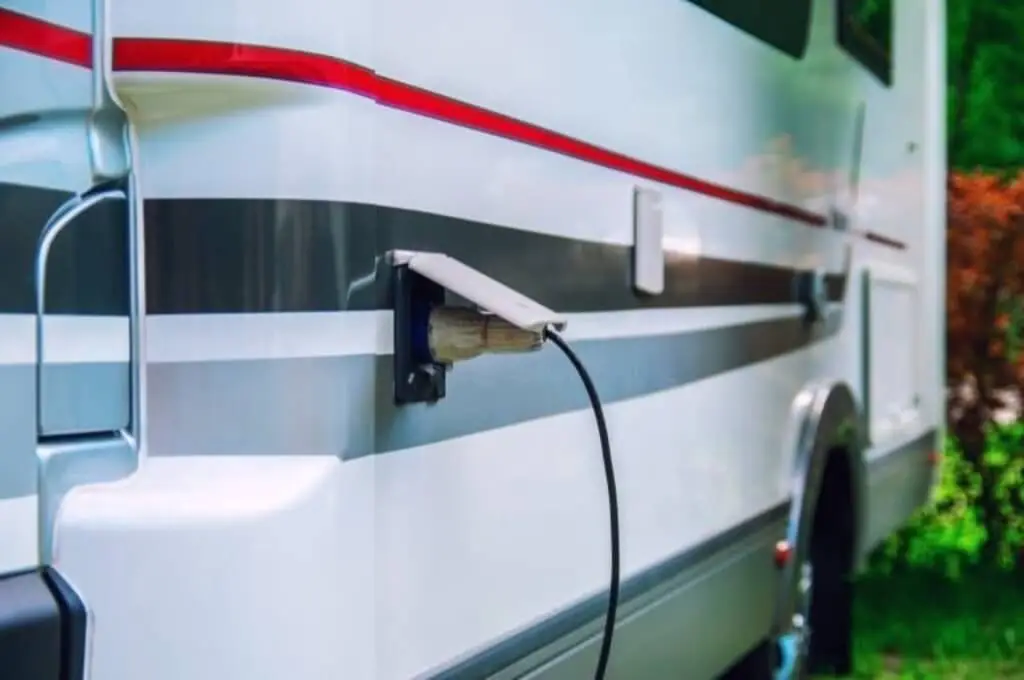
    As an RV owner, the thrill of exploring the great outdoors comes with the essential responsibility of ensuring your electrical setup is both safe and reliable, capable of powering your RV’s essential systems and appliances. Discover what type of extension cord to use for your RV and how our weatherproof extension cord is specifically designed to meet your RV’s needs, providing a seamless blend of safety, reliability, and convenience for all your adventures. Learn more about our innovative solutions for RV enthusiasts on our homepage.

    In this comprehensive guide, we’ll delve into the world of RV extension cords, equipping you with the knowledge and expertise to make informed decisions that prioritize safety, convenience, and the integrity of your electrical system. We’ll explore the unique requirements for RV extension cords, highlight the differences between standard and RV-specific models, and provide practical tips for usage and storage to ensure your cord’s longevity and optimal performance.

    Why Choosing the Right RV Extension Cord Matters

    While an extension cord might seem like a minor detail in the grand scheme of RV ownership, its importance cannot be overstated. Using an inappropriate or substandard extension cord can have severe consequences, ranging from safety hazards to potential damage to your RV’s electrical system and appliances.

    Safety Considerations

    Selecting the wrong extension cord can pose a significant fire risk, especially in an RV environment where electrical systems are in close proximity to flammable materials. Overloaded or undersized cords can overheat, potentially igniting nearby combustible materials or leading to electrical fires. Additionally, damaged or improperly used extension cords can create shock hazards, putting you and your loved ones at risk.

    Appliance Integrity

    Many RVs are equipped with high-powered appliances like air conditioners, microwaves, and refrigerators. Using an extension cord that cannot handle the electrical load can lead to voltage drops, causing these appliances to malfunction or operate inefficiently. In some cases, it can even cause permanent damage, resulting in costly repairs or replacements.

    Convenience and Functionality

    The right extension cord can provide the flexibility and convenience you need to power your RV’s systems and appliances, even when you’re camping in remote locations without access to shore power. With a suitable cord, you can enjoy the comforts of home without compromising your RV’s functionality or your safety.

    RV Extension Cord Requirements

    When it comes to selecting an extension cord for your RV, there are several key factors to consider, including power needs, length, and durability for outdoor conditions.

    Power Needs

    RVs typically require a substantial amount of electrical power to run their various systems and appliances. Most RVs are equipped with either a 30-amp or 50-amp electrical system, and your extension cord must be rated to handle the corresponding amperage. Using an undersized cord can lead to overheating, tripped circuit breakers, and potential fire hazards.

    Length

    The length of your RV extension cord is another crucial consideration. While longer cords may seem convenient, they can also introduce voltage drop issues, reducing the power delivered to your RV. Conversely, using a cord that’s too short can result in excessive strain and potential damage to the cord or your RV’s electrical system. It’s essential to choose a cord length that strikes the right balance between convenience and safety.

    Durability for Outdoor Conditions

    RV extension cords are designed to withstand the elements, including rain, snow, and exposure to sunlight. Look for cords with weather-resistant jackets and reinforced construction to ensure they can withstand the rigors of outdoor use. Additionally, consider cords with added features like abrasion resistance and UV protection to enhance their longevity.

    Standard Extension Cords vs. RV-Specific Cords

    While it might be tempting to use a standard household extension cord for your RV, it’s important to understand the differences between these cords and those designed specifically for RV use.

    Standard Extension Cords

    Standard extension cords are typically designed for indoor or light outdoor use and may not be suitable for the demands of RV life. These cords often lack the durability, weather resistance, and amperage capacity required for powering an RV’s electrical system and appliances.

    RV Extension Cords

    RV extension cords, on the other hand, are engineered to meet the specific needs of RV owners. They are designed to handle higher amperage loads, withstand outdoor conditions, and provide a safe and reliable connection between your RV and the power source.

    Regulatory Standards and Certifications

    When shopping for an RV extension cord, it’s essential to look for cords that meet industry standards and certifications. Many reputable manufacturers adhere to guidelines set forth by organizations like the Recreational Vehicle Industry Association (RVIA) and the Underwriters Laboratories (UL).

    RVIA Standards

    The RVIA is a prominent organization that sets safety standards for RVs and RV components, including extension cords. RVIA-certified cords are designed to meet specific requirements for amperage capacity, temperature rating, and overall durability, ensuring they can withstand the demands of RV life.

    UL Certification

    The UL certification is another widely recognized safety standard for electrical products. UL-certified RV extension cords have undergone rigorous testing to ensure they meet strict safety requirements, reducing the risk of electrical hazards and fire.

    By prioritizing cords that meet RVIA and UL standards, you can have peace of mind knowing that your extension cord has been thoroughly tested and is designed to provide safe and reliable performance in an RV setting.

    Using and Storing RV Extension Cords: Practical Tips

    Proper usage and storage practices are essential to ensuring the longevity and safe operation of your RV extension cord. Here are some practical tips to keep in mind:

    Usage Tips

    1. Inspect Before Use: Before plugging in your extension cord, conduct a thorough visual inspection for any signs of damage, such as frayed or exposed wires, cracks in the jacket, or damaged plugs. If any damage is detected, replace the cord immediately.

    2. Avoid Overloading: Never exceed the rated amperage capacity of your extension cord. Overloading can lead to overheating, potential fire hazards, and damage to your RV’s electrical system.

    3. Protect from Elements: When using your extension cord outdoors, take measures to protect it from exposure to water, snow, and direct sunlight. Consider using cord protectors or covers to shield the cord from the elements.

    4. Proper Connections: Ensure that all connections are secure and tight, and avoid using damaged or worn-out plugs or sockets. Loose connections can lead to arcing, overheating, and potential fire hazards.

    Storage Tips

    1. Coil Properly: When not in use, coil your extension cord loosely to prevent kinks or twists, which can damage the internal wiring over time.

    2. Avoid Extreme Temperatures: Store your extension cord in a cool, dry place, away from direct sunlight or extreme temperatures, as these conditions can degrade the cord’s insulation and shorten its lifespan.

    3. Protect from Moisture: If your extension cord has been exposed to moisture, ensure it’s completely dry before storing it. Storing a damp cord can lead to mold growth and potential electrical hazards.

    4. Use a Storage Reel: Consider investing in a storage reel or cord organizer to keep your extension cord neatly coiled and protected from damage when not in use.

    By following these practical tips, you can extend the life of your RV extension cord and ensure it operates safely and reliably for years to come.

    Top-Rated RV Extension Cord: Recommendations for Durability and Safety

    Now that you understand the importance of choosing the right RV extension cord and the factors to consider, it’s time to explore our top-rated weatherproof extension cord.

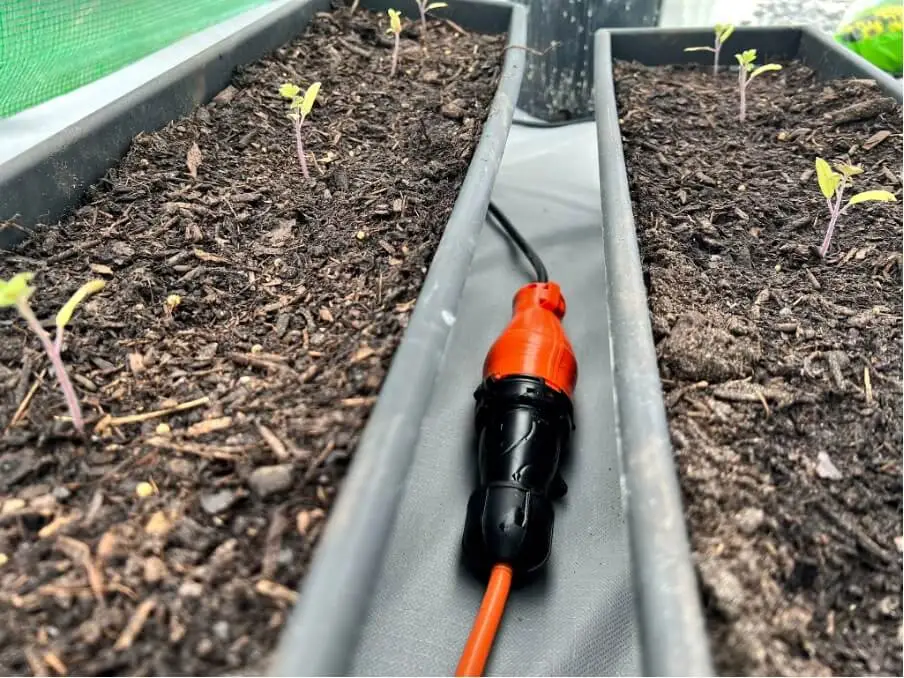
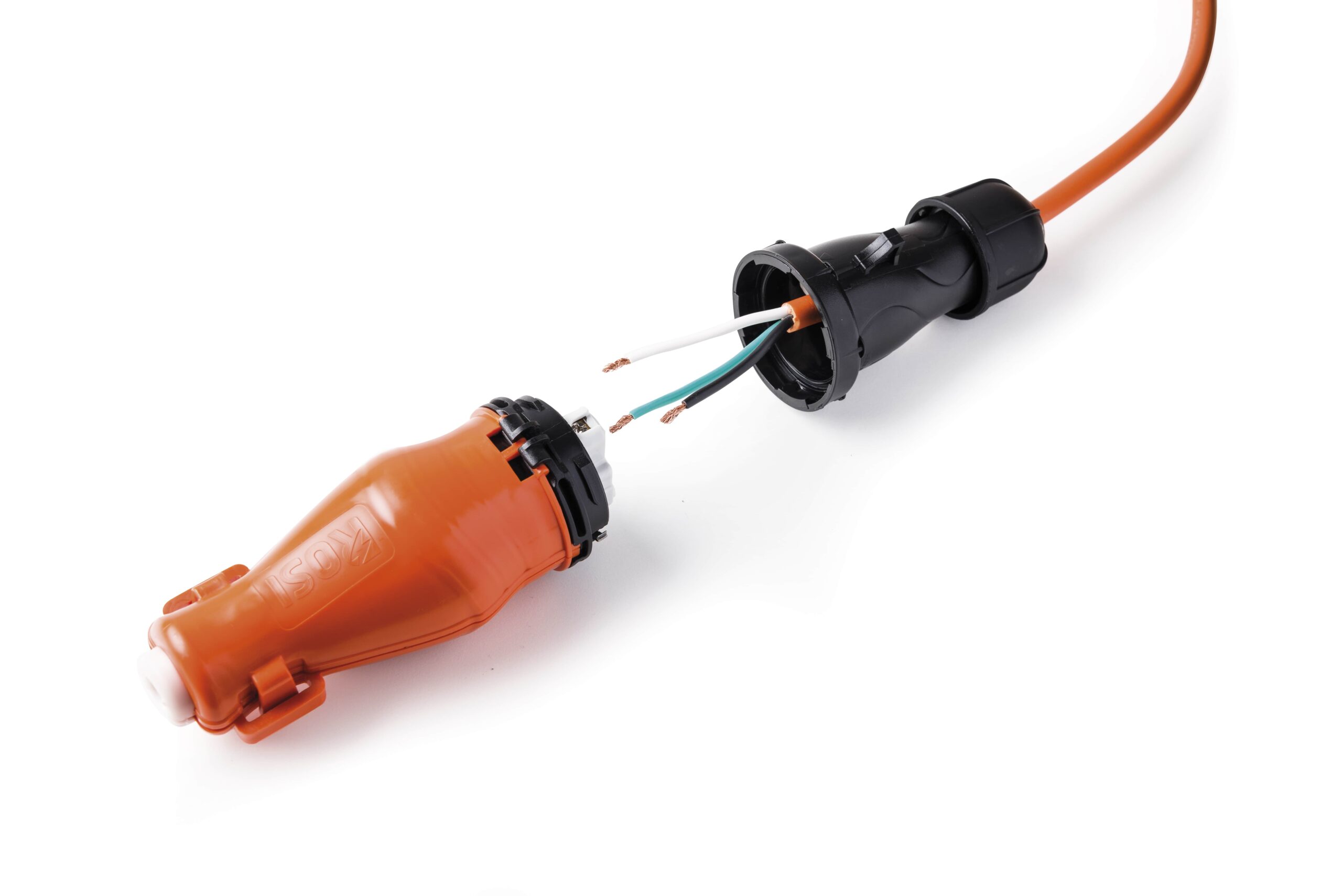
    Our Weatherproof Extension Cord stands as the first truly weatherproof extension cord, brilliantly marrying design with functionality. Whether you’re a beginner seeking simplicity or a professional demanding ruggedness, this cord is designed to meet your needs. Buy Now!

    Ideal for a variety of outdoor applications, it is your go-to solution for backyard maintenance, holiday festivities, camping, construction sites, and more.

    Unmatched Weather Resistance: Certified to resist rain, snow, and sun damage, our extension cords ensure your yard, farm, or work site remains powered under any condition.

    Built for Portability and Durability: Crafted from durable NEMA 4X ABS, Polycarbonate, and PP materials, these cords offer long-lasting protection without the need for additional accessories.

    Aesthetic Appeal: Our extension cord breaks the norm with a curvaceous shell that proves functionality can also be aesthetically pleasing.

    Safety First Design: An innovative design prevents accidental unplugging and tampering, ensuring a safe and secure power supply.

    Easy Installation: The cord effortlessly fits any North American standard plug, making setup a breeze.

    Product Reviews: Our customers have tested the Power Shell Weatherproof Extension Cord in the harshest conditions, from relentless rain to brutal sun, and its performance has been consistently impressive. Whether it’s for connecting a battery tender in the rain or powering Christmas projector lighting, our cord delivers reliability and protection against shorting out or damage from environmental factors.

    Why Choose Our Weatherproof Extension Cord? Our heavy-duty cables and protective shells provide exceptional waterproof, dirt-proof, and dust-proof protection. This is crucial for long-term setups like holiday decorations, where the risk of electrical issues increases at night.

    Conclusion

    Choosing the right extension cord for your RV is no trivial matter. It’s a crucial component that ensures the safe and reliable operation of your electrical systems and appliances, enabling you to enjoy the comforts of home on the road without compromising your safety or the integrity of your RV.

    By following the guidance and recommendations provided in this comprehensive guide, you’ll be equipped with the knowledge and expertise to select an RV extension cord that meets your specific needs, adheres to industry standards, and provides the durability and safety features you deserve.

    Remember, investing in a high-quality, RV-specific extension cord is not just about convenience it’s about protecting yourself, your loved ones, and your valuable RV investment. With the right extension cord in your arsenal, you can confidently embark on your adventures, knowing that your electrical setup is secure and ready to handle the demands of life on the road.

    So, whether you’re a seasoned RV enthusiast or a newcomer to the world of RVing, prioritize the selection of your extension cord, and enjoy the freedom and comfort of your mobile home away from home, without compromising on safety or functionality.

    Ready to elevate your RV experience with unmatched safety and reliability? Make the smart choice today and explore our top-rated weatherproof extension cords. Secure your peace of mind and ensure your adventures are powered safely — click here to find the perfect extension cord for your RV.

  • Step-by-Step Guide: How to Connect Christmas Lights with Extension Cord Safely

    Step-by-Step Guide: How to Connect Christmas Lights with Extension Cord Safely

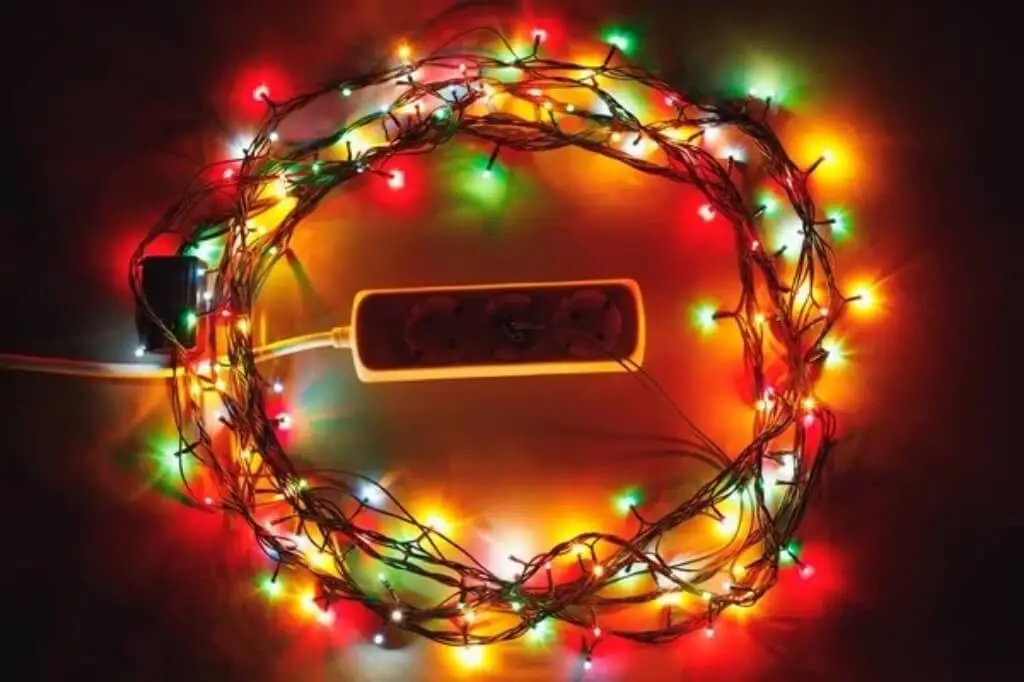
    Creating an enchanting holiday lighting display requires not just creativity but also an understanding of how to do it safely, especially when it comes to connecting Christmas lights with an extension cord. With each holiday season, the ambition to create dazzling displays grows, bringing with it the need to ensure that all decorations, particularly the intricate web of lights, are set up without jeopardizing safety.

    A drive-through Christmas lights experience offers a magical journey through illuminated wonderlands from the cozy confines of your car. Revel in the festive spirit as you traverse winding paths adorned with twinkling lights, animated displays, and enchanting scenes, all choreographed to festive tunes.

    Perfect for families or couples seeking holiday cheer, it’s a convenient and safe way to celebrate the season while creating lasting memories amidst the dazzling spectacle of lights. According to the Electrical Safety Foundation International (ESFI), extension cords are the culprit behind approximately 3,300 home fires annually, leading to 50 deaths and highlighting the paramount importance of electrical safety during the holiday season.

    This guide seeks to arm holiday decorators, whether novices or seasoned, with the knowledge to safely connect multiple Christmas lights using extension cords. It will provide tips on choosing the right type of extension cords for outdoor use—taking into account factors like electrical load, cord length, and weather resistance—and offer strategies to manage the layout of cords to minimize risks and electrical hazards.

    Choosing the Right Extension Cords

    To ensure your holiday lighting display is both dazzling and safe, selecting the right extension cord christmas lights is crucial. Here’s a guide to help you choose wisely and connect your Christmas lights safely:

    Outdoor vs. Indoor Use:

    • Outdoor Extension Cords: Must be UL-listed and rated for outdoor use. They are designed with thick insulation materials like rubber, vinyl, or plastic to protect against moisture, UV rays, and varying temperatures. Look for cords with a three-prong plug for grounding to prevent electrical fires.
    • Indoor Extension Cords: Suitable for indoor use only. They lack the protective insulation necessary for outdoor conditions and should not be used outside to power your Christmas lights.

    Understanding Ratings and Specifications:

    • Wattage Capacity: Check the wattage rating of the extension cord to ensure it can handle the combined wattage of your Christmas lights. Overloading the cord can lead to overheating and potential fire hazards.
    • Length and Gauge: Opt for a cord length under 100 feet to avoid voltage drops and ensure efficient power transmission. A 16-gauge cord is recommended for light-duty use, but for longer distances or larger light setups, a 14-gauge cord may be more appropriate.
    • Connectivity Limit: Avoid connecting more than three strings of incandescent lights to prevent overloading. LED lights are preferable due to their lower energy consumption and reduced heat generation.

    Safety Tips:

    • Always inspect cords for damage before use. A frayed or damaged cord is a fire risk.
    • Never run extension cords under rugs, carpets, or through windows and doors where they can be pinched or damaged.
    • Ensure all outdoor electrical outlets are equipped with a Ground Fault Circuit Interrupter (GFCI) to protect against electrical shocks.
    • When connecting multiple Christmas lights, use heavy-duty, Christmas lights outdoor-rated extension cords and place them discreetly to avoid tripping hazards.

    By adhering to these guidelines, you can create a festive and safe holiday lighting display that brings joy without compromising on safety.

    Safety First: Understanding Electrical Load

    Understanding the electrical load is crucial when connecting Christmas lights extension cords to ensure safety and prevent overloading. Here’s a breakdown of key considerations:

    Electrical Load Basics:

    • Voltage (V) measures the force of electricity. It’s calculated as wattage divided by amperage (Voltage = wattage/amperage).
    • Amperage (Amps) measures the amount of electricity used. To find it, divide the wattage by voltage (Wattage / Voltage = Amperage).
    • Wattage tells you how many sets of Christmas lights can be connected end-to-end. It measures the work electricity does per second.

    Fuse Types and Circuit Load:

    • Different Christmas light sets use varied fuse amperages: Incandescent Mini Light Sets and most non-replaceable LED sets use 3 amp fuses; C7, C9, G40, and G50 light sets use 5 amp fuses.
    • Overloaded circuits can lead to power interruptions. Household circuits typically handle 15-20 amps, and it’s recommended not to exceed 80% of this capacity to avoid tripping breakers.

    Practical Tips for Safe Connections:

    • Avoid plugging extension cords into each other as it can cause overloading.
    • Never exceed connecting three strings of incandescent lights; adhere to manufacturer guidelines for LED lights to prevent overloading.
    • Use LED lights to reduce power usage and prevent spikes in electricity bills. Calculate the power usage of each light display in amps and distribute runs of lights to different circuits to avoid overloading.
    • Install dedicated circuits for Christmas lights if necessary to prevent overburdening outlets and reduce fire risks.

    By adhering to these guidelines, you can safely create a dazzling holiday light display without risking overloading your electrical system.

    Professional Tips for Hiding Extension Cords

    Creating a dazzling holiday light display often involves the strategic use of extension cords, especially for outdoor setups. However, unsightly cords can detract from the beauty of your decorations. Here are professional tips for effectively hiding extension cords, ensuring your festive display remains both safe and aesthetically pleasing:

    Outdoor Concealment Strategies:

    • Utilize outdoor extension cord covers to protect and conceal cords in your exterior outdoor Christmas light displays. These covers come in various colors to blend with your landscaping or pavement.
    • Secure extension cords to the backside of gutters with clips. Place clips at both the top and bottom to ensure the cords are out of sight and protected from weather elements.
    • For cords running along the ground, consider hiding them under decorative items like baskets, or strategically placed present boxes that complement your outdoor decor.

    Indoor Concealment Techniques:

    • Hide cords on a fireplace mantel using decorative items that match your holiday theme or opt for sleek cable concealers that can be painted to match your wall color.
    • Employ command hooks to route cords along the wall or ceiling, keeping them off the floor and out of sight. This method is particularly useful for running cords to higher placements like mantels or tall Christmas trees.
    • Tape cords under rugs or run them along baseboards using adhesive hooks or clips for a tidy appearance. Ensure that cords are not frayed or damaged before concealing them to avoid fire hazards.

    General Tips for Cord Management:

    • Bundle excess cord length together using zip ties or twist ties, and then conceal with cord covers or decorative elements like fabric ribbons or twine.
    • Use furniture to your advantage by placing larger items, such as sofas or Christmas trees, in front of extension cords to hide them from view.
    • Consider the addition of extra electrical outlets, both inside and outside your home, to reduce the need for extension cords. This step requires a licensed electrician but offers a long-term solution for holiday decorating and everyday needs.

    By following these tips, you can keep your holiday lighting display both safe and beautifully uncluttered, allowing your festive decorations to shine without the distraction of visible cords.

    Connecting Multiple Christmas Lights

    To safely and effectively connect multiple Christmas tree lights extension cord, follow these step-by-step instructions that ensure both a dazzling display and adherence to safety standards:

    1. Preparation and Safety Checks:

    • Test Lights Before Installation: Plug in each set of Christmas lights to check for and replace any burnt-out bulbs. This step is crucial to avoid having to troubleshoot once the lights are installed.
    • Ensure Correct End Has Power: Always make sure the female end of the extension cord has power, not the male end, to prevent shock hazards. Use “dead males” where, when unplugged, all lights on the male end should go off, indicating it’s safe.
    • Select the Right Lights: Use indoor lights for indoor settings and outdoor lights for outdoor settings. Ensure lights have the UL seal to indicate they meet safety standards.

    2. Connecting and Arranging Lights:

    • Start Near Power Source: Begin by connecting your extension cord to a power outlet close to the base of the house, ideally on the side where the lights will be strung.
    • Run Cord Up the Gutter: This simplifies troubleshooting, reduces the number of cords needed, and keeps the setup neat. Use inline female connectors to power different sections, ensuring a continuous and safe power source.
    • Professional Light Choices: Opt for 50, 70, or 100 bulb light sets as they are easier to manage. Avoid connecting more than three strings of incandescent lights or exceeding the manufacturer’s guidelines for LED lights to prevent overloading.

    3. Safety and Maintenance:

    • Turn Off When Unattended: Always turn off Christmas lights when leaving home or going to bed to minimize risks.
    • Avoid Power Strips with Extension Cords: Plugging Christmas lights into a power strip or surge protector connected to an extension cord is not recommended due to increased fire risk.
    • Outdoor Extension Cord Care: Use ground fault outlets for outdoor extension cords for Christmas lights and inspect for any cord insulation damage to prevent electrical issues. Keep connections away from water and protect them with extension cord covers.

    By adhering to these guidelines, holiday decorators can create impressive and safe lighting displays. Remember, the key to a successful and enchanting holiday light setup lies not only in the creative arrangement of lights but also in meticulous attention to safety and electrical standards.

    Outdoor Extension Cord Safety

    Ensuring the safety and durability of your outdoor extension cord for Christmas lights display involves careful consideration of extension cord use and protection. Here are essential strategies to maintain both safety and aesthetic appeal:

    Weatherproofing and Aesthetic Management:

    • Use weatherproof gaskets or kits to safeguard outdoor Christmas decorations and lights against moisture and extreme weather conditions.
    • Tuck cords neatly into the siding on the soffit and fascia. This not only keeps connections safe from the weather but also significantly enhances the visual appeal by hiding unsightly wires.

    Electrical Safety Measures:

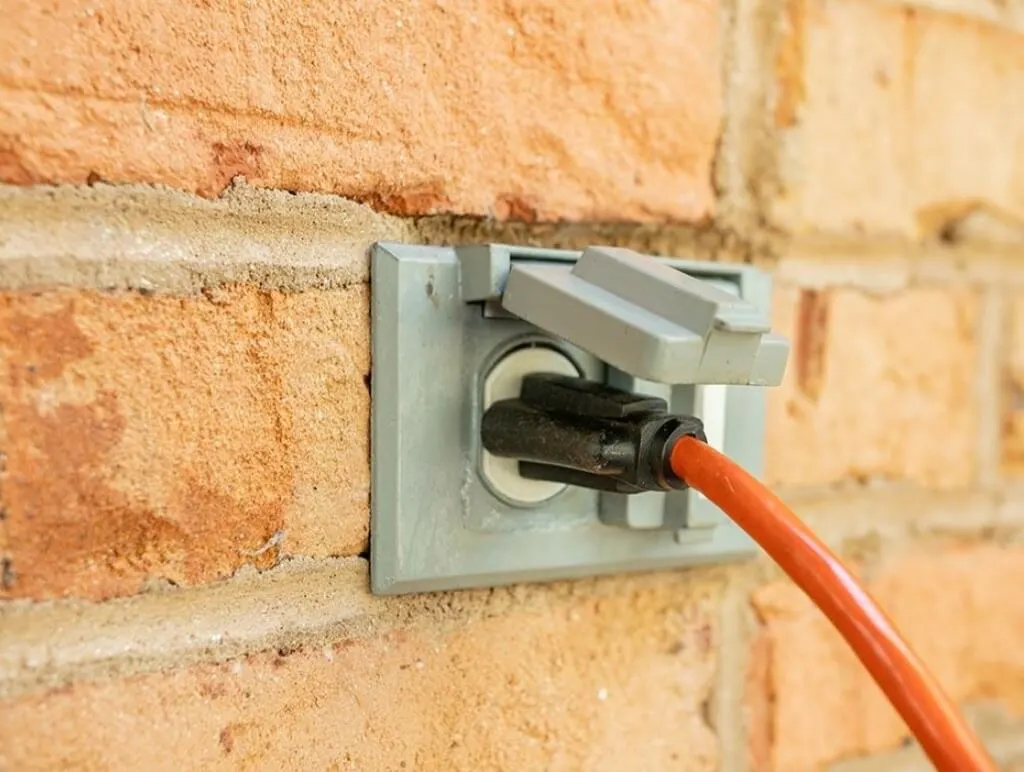
    • All outdoor outlets should be GFCI-protected outlets (Ground Fault Circuit Interrupter) to prevent electrical hazards. This is crucial for outdoor setups where moisture is a concern.
    • To further ensure safety, tape the plug of the extension cord securely. This prevents moisture from entering and potentially tripping the GFCI.
    • Employ waterproofing gaskets to fill any gaps between male and female ends of cords. This simple step can prevent moisture ingress that might otherwise trip GFCI outlets.

    Installation and Maintenance Tips:

    • Always choose UL-listed lights approved for outdoor use and conduct a thorough check for any damage before installation.
    • Secure lights and decorations in positions where they are sheltered from moisture, such as under awnings or in areas that allow for drainage if water does enter the bulb casings.
    • Use insulated staples for securing lights to structures without damaging wire insulation, ensuring a neat and secure setup.
    • Regularly inspect cords for any signs of fraying, damage, or loose wires before use, and keep them away from standing water and snow.
    • Unplug cords when not in use to conserve energy and reduce the risk of electrical issues.

    By adhering to these guidelines, holiday decorators can create a stunning and safe outdoor Christmas light display. The focus on both aesthetic and electrical safety ensures that your festive decorations will not only look fantastic but also operate safely throughout the holiday season.

    Troubleshooting Common Issues

    When connecting multiple Christmas lights with an extension cord, encountering issues is common. Here’s how to troubleshoot the most frequent problems to keep your holiday display shining bright:

    Initial Checks:

    • Inspect the extension cord and lights for any frays, cuts, or loose wires. Any damage could cause the lights not to work correctly.
    • Test the outlet with another device to ensure it’s functioning. If the device doesn’t work, the issue may lie with the outlet itself.
    • If your Christmas lights aren’t turning on, check the home’s fuse box or breaker. A tripped breaker or blown fuse could be the culprit. Reset or replace as necessary, but if the problem persists, it may indicate an overload.

    Lighting Specifics:

    • Make sure all bulbs are securely connected. A loose bulb can break the circuit, causing the entire string to go dark.
    • Replace any burnt-out bulbs with ones that match the voltage rating. This ensures consistent lighting and prevents overloading.
    • Utilize a voltage tester or bulb tester for pinpointing faulty bulbs. This can save time and prevent unnecessary replacements.

    Advanced Troubleshooting:

    • Examine each bulb to ensure they’re fully inserted into the sockets. Partial connections can disrupt the electrical flow.
    • For strings where bulbs can be removed without affecting the set, ensure bulbs are either fully in or out. Halfway placements can cause outages.
    • Adjust the wires of each bulb if necessary. Sometimes, the internal wire contacts need tweaking to establish a connection.
    • Consider using a LightKeeper Pro or similar device for more complex issues. These tools are designed for diagnosing and fixing light set problems efficiently.

    By following these steps, you can quickly identify and resolve common issues with your Christmas light setup. Remember, safety is paramount, so always disconnect the power before making any adjustments or inspections.

    Maintenance and Storage of Extension Cords and Lights

    Maintaining and storing your Christmas lights extension cord properly can significantly extend their lifespan and ensure they’re ready for the next holiday season. Here are some tips and techniques for effective maintenance and storage:

    Maintenance

    Before Storing:

    • Inspect: Check each string of lights and extension cord for damage, such as frayed wires or broken bulbs, and make necessary repairs or replacements.
    • Clean: Wipe down lights and cords to remove any debris or moisture that could cause damage during storage.
    • Dry: Ensure all items are completely dry to prevent mold or mildew from forming.

    Storage Solutions

    Lights:

    • Cardboard Wrapping: Wrap lights around pieces of cardboard, starting from the female end for easy testing next year. Label each piece with the year and color of the lights for easy identification.
    • Hangers and Magazines: Use plastic hangers or magazines to prevent tangling. For hangers, leave the male end dangling for easy charging and checking. Wrap them around a magazine, fold it, and store each string in a separate bag.
    • Custom Stands: For larger setups, consider creating a custom stand using a 4×4 and a piece of 3/4 inch plywood to organize and hang lights, preventing tangles and damage.

    Extension Cords:

    • Light-Up Cord Reels: Invest in light-up cord reels that have handles and a space for plugging in. These can hold up to 200 lights and make it easier to manage and store extension cords.
    • Coiling Techniques: Coil cords using a figure of eight or the under/over method to prevent twisting and weakening of the cable. Store in a cool, dry place, preferably in their original box or a labeled Ziploc bag.

    Safety and Efficiency

    • Electrical Safety: Always ensure that all electrical connections are plugged into a GFCI outlet before storage to prevent any potential hazards.
    • Adding Outlets: Consider adding extra electrical outlets inside and outside your home to reduce the reliance on extension cords in the future. Have a licensed electrician help with this job to ensure safety and compliance with local codes.

    By following these maintenance and storage tips, you can keep your Christmas lights and extension cords in top condition, ready to create a dazzling holiday display year after year.

    Conclusion

    Through this extensive guide, we’ve navigated the maze of safely connecting Christmas lights using extension cords, ensuring that enthusiasts and holiday decorators alike can create not just an enchanting but a secure lighting display.

    The key takeaway has been the emphasis on safety—understanding the electrical load, selecting the right extension cords, and adhering to safe practices—while still allowing for the creative arrangement of lights that brighten the holiday spirit. Even more, the professional insights into concealing extension cords underscore the possibility of achieving aesthetic excellence without compromising on safety.

    As we conclude, it’s clear that the fusion of creativity, safety, and proper planning makes for not only a dazzling but a safe holiday light display. By applying the step-by-step instructions, tips, and creative ideas outlined in this guide, both amateur and experienced holiday decorators are well-equipped to not only minimize safety risks and electrical hazards but also to illuminate their spaces with magical arrangements.

    Here’s to lighting up the holiday season the right way—by cherishing the joy these lights bring to our hearts and homes, while being mindful of the safety that keeps this joy undimmed.

    Illuminate your holiday season with confidence and safety. Equip yourself with the best outdoor extension cords designed for your festive needs and create your dazzling light display today.

  • Maintaining Home Safety: What Should Not Be Plugged into an Extension Cord

    Maintaining Home Safety: What Should Not Be Plugged into an Extension Cord

    Extension cords, when used correctly, offer a convenient solution to provide power to areas that are otherwise unreachable by a direct wall outlet. However, not all devices and appliances are suitable for connection via an extension cord. Understanding what should not be plugged into an extension cord is critical for maintaining home safety and preventing potential hazards. This includes high-power devices, large appliances, and any item that exceeds the safe load capacity of the cord. Misuse of extension cords can lead to overheating, fire hazards, and electrical failure, emphasizing the need for proper usage and adherence to manufacturer instructions.

    The article will explore the importance of abiding by the ratings and specifications of extension cords to ensure a safe electrical environment within the home. It will highlight the risks associated with improper use, such as daisy-chaining extension cords and plugging inappropriate devices into them. Offering practical advice, the article will provide safer alternatives for long-term power solutions and share essential tips on how homeowners can utilize extension cords without compromising safety. Through informed practices and awareness, individuals can prevent the misuse of extension cords and protect their homes from electrical dangers.

    Understanding Extension Cord Ratings and Specifications

    Understanding the ratings and specifications of extension cords is pivotal for ensuring electrical safety in your home. These cords come with specific designations such as S, W, J, T, P, O, and E, each indicating their intended use and features. For instance, ‘W’ is for outdoor use, bearing a thicker insulation to withstand weather conditions, while ‘S’ is designated for general indoor use. Here’s a breakdown of what these designations mean:

    • S: Flexible cords designed for general use
    • W: Weather-resistant, suitable for outdoor applications
    • J: Hard service cord with a standard 300-volt insulation
    • T: Thermoplastic insulation
    • P: Parallel wire construction for household appliances
    • O: Oil-resistant outer jacket
    • E: Thermoplastic elastomer (rubber-like) insulation

    When selecting an extension cord, it’s essential to consider the cord’s length, gauge, and amperage limits. These factors directly influence the cord’s capacity to carry power efficiently and safely to your devices. Here’s a simple guide to help you choose the right extension cord:

    Cord Length and Amperage Limits:

    • Up to 25 feet: 16 gauge for 1-13 amps; suitable for light-duty applications
    • 25-50 feet: 14 gauge for up to 20 amps; suitable for medium-duty applications
    • Over 50 feet: 12 or 10 gauge for heavy-duty applications; ensures minimal voltage drop

    Lower AWG number means a thicker wire and higher capacity. For instance, a 12-gauge wire can handle more amperage compared to a 16-gauge wire.

    AWG Rating (American Wire Gauge):

    Understanding the amperage (how much power a cord can handle) and ensuring it matches or exceeds the power needs of the device it powers is crucial. For high-amperage appliances, cords designed to carry 20 amps or more are recommended. Remember, the longer the cord, the higher the electrical resistance, which can decrease the power delivered to your device. This is why choosing the correct length and gauge based on the device’s amperage rating is critical.

    Lastly, it’s important to use cords as per their intended use (indoor vs. outdoor) and to adhere to the maximum length guidelines to prevent overheating and potential fire hazards. For outdoor use, opt for cords with a ‘W’ designation, which have a thick, durable layer of protective insulation. Always ensure the extension cord is UL Approved and matches the equipment’s power requirements in terms of amperage and voltage ratings.

    Common Electrical Items That Should Not Be Plugged into an Extension Cord

    Certain electrical items pose significant risks when powered through extension cords or power strip, primarily due to their high power requirements or heating elements. Here’s a breakdown of devices that should be avoided and the reasons behind it:

    Heating Devices:

    • Space Heaters: Can cause fires due to high power consumption.
    • Hair Dryers and Styling Tools: High wattage requirements increase the risk of overheating.
    • Toasters and Crockpots: Similar to space heaters, the high energy draw can lead to fire hazards.Air Conditioners and Refrigerators: These can cause a voltage drop, leading to decreased performance or damage.
    • Microwave Ovens: Like air conditioners, the power draw is too high for safe extension cord use.

    Large Appliances:

    • Water Heaters: Excessive heat and power draw make them unsuitable for extension cord use.
    • Refrigerators: High power consumption can lead to voltage drops and potential damage.
    • Fans: While not as high in power consumption, still pose a risk when used with thin or light-duty extension cords.

    Miscellaneous:

    • Surge Protectors: Plugging a surge protector into an extension cord can pose a fire hazard due to excessive heat.
    • Electrical Engineer: Seeking professional advice from an electrical engineer can provide insights into safe electrical practices.
    • Circuit Breakers: Understanding the role of circuit breakers in preventing electrical overloads is crucial for home safety.

    For safely powering devices that shouldn’t be plugged into extension cords, consider the following alternatives:

    • Direct Wall Outlet Connection: Always the safest option for high-power appliances and heating devices.
    • Heavy-Duty Extension Cords: For temporary solutions, ensure the cord’s amperage rating matches or exceeds the device’s requirements.
    • Professional Electrical Installation: For permanent solutions, adding more outlets where needed is a safer alternative.

    Can you plug a power strip into an extension cord?

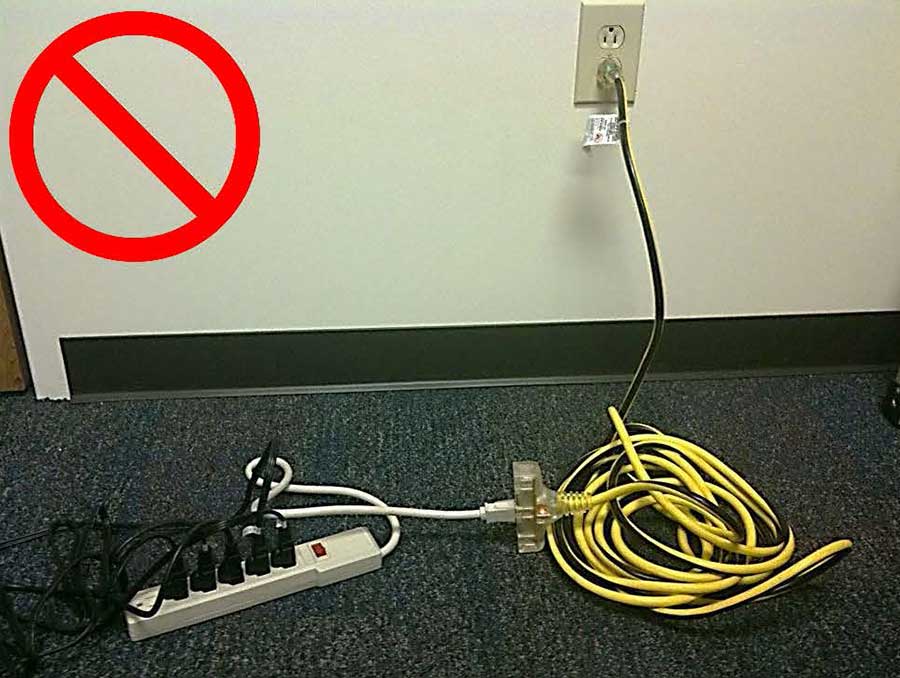
    Plugging a power strip into an extension cord raises significant safety concerns due to the potential for overloading the electrical circuit. While it may seem convenient to extend the reach of a power strip using an extension cord, this practice can lead to excessive heat buildup and an increased risk of electrical fires. The combined load of multiple devices plugged into the power strip, along with the extended length of the extension cord, can surpass the cord’s capacity, causing it to overheat and potentially melt. Furthermore, daisy-chaining power strips and extension cords create a daisy-chain effect, compounding the risk of overloading and creating a hazardous situation. It’s crucial to always plug power strips directly into a wall outlet, ensuring that they’re not overloaded and can safely distribute power to connected devices.

    Can you plug extension cords into each other?

    The practice of plugging extension cords into each other, also known as daisy-chaining, is highly discouraged due to the increased risk of electrical hazards it poses. While it may seem like a convenient way to extend the reach of a single cord, daisy-chaining can lead to overloading circuits, overheating, and potential fire hazards. Each extension cord adds resistance to the circuit, which can result in voltage drops and increased electrical resistance. As a result, the cumulative load on the circuit may exceed its capacity, leading to overheating and possibly melting of the cords. Furthermore, daisy-chaining extension cords violate safety regulations and standards set by organizations like OSHA and the National Electrical Code. To ensure electrical safety, it’s essential to avoid daisy-chaining extension cords and instead use a single, appropriately sized cord that reaches the desired length without the need for additional extensions.

    General Safety Extension Cord Use:

    • Avoid Daisy-Chaining: Connecting multiple power strips or extension cords increases the risk of overloading and fire.
    • Regular Inspection: Check cords for damage or wear and replace them when necessary.
    • Proper Storage: Keep cords coiled and away from high-traffic areas to prevent damage.
    • Understand Ratings: Only use cords that are suitable for the intended use, whether indoor or outdoor and that have the correct wire gauge for the appliance.

    By adhering to these guidelines, homeowners can significantly reduce the risks associated with improper extension cord use, ensuring a safer living environment.

    The Dangers of Daisy-Chaining Extension Cords

    Daisy-chaining extension cords, or connecting multiple extension cords together, is a common but hazardous practice that can lead to several electrical safety issues. Here are the critical risks associated with daisy-chaining:

    Overloading and Fire Hazards:

    • Electrical Overload: Connecting an extension cord to another increases the risk of overloading the electrical system. This can cause the cords and the outlet to overheat, potentially leading to a fire.
    • Increased Resistance and Heat: The total resistance in the circuit increases with the length of the cords, generating excess heat. This heat can damage the insulation of the cords, exposing wires and increasing the risk of electrical fires.
    • Violations of Safety Regulations: Daisy-chaining extension cords are against OSHA regulations and the National Electrical Code. Such practices can lead to regulatory penalties and compromise safety. Risk of Electrocution: The longer the daisy-chained cords, the higher the risk of electrocution due to increased resistance and potential for insulation damage.
    • Equipment Damage: Overloaded circuits can result in voltage drops, which can damage sensitive electronic devices connected to the daisy-chained cords.

    Electrocution and Equipment Failure:

    • Alternatives to Daisy-Chaining:
      • Use Power Strips with Adequate Power Cords: Replace daisy chains with power strips that have a sufficient length of power cord and are designed to handle the intended load.Install Additional Outlets: If you find yourself relying on extension cords regularly, consider having a professional electrician install more outlets closer to where power is needed.
      • Opt for Heavy-Duty Extension Cords: For temporary solutions, ensure to use a single, high-quality extension cord that matches or exceeds the device’s amperage requirements, avoiding the need to daisy-chain multiple cords.

    By understanding the dangers associated with daisy-chaining extension cords and opting for safer alternatives, homeowners can significantly reduce the risks of electrical fires, equipment damage, and electrocution. It’s crucial to always follow manufacturer instructions and adhere to local electrical codes to ensure a safe electrical environment in your home.

    Alternatives to Using an Extension Cord for Long-Term Power Solutions

    For long-term power solutions in your home, relying solely on extension cords can pose significant safety risks. Here are some safer alternatives and practices to consider:

    Power Strips with Over-Current Protection:

    • Look for a power strip equipped with over-current protection to prevent overloading.
    • Ensure they have an adequate cord length to allow for proper heat dissipation.
    • Models with a built-in switch and circuit breaker offer an added layer of safety.
    • The National Electrical Code advises installing outlets near areas where power is frequently needed. This reduces the risks associated with overloading, wear, and potential tripping hazards.
    • Consider hiring a professional electrician to install new outlets for safe and long-term use.

    Installation of New Power Outlets:

    • Outlet Taps and Power Strips:
      • Outlet Taps: These can be directly plugged into a wall outlet, providing additional receptacles. Some models include USB ports and surge protection, offering versatility without the need for long cords.
      • Power Strips Varieties: Available in various shapes, sizes, and cord lengths (ranging from 2 feet to 25 feet), power strips can accommodate different spatial needs. Opt for those with a circuit breaker and surge protection for enhanced safety.

    Important Considerations:

    • Avoid Permanent Use of Extension Cords: Extension cords should not be used as a substitute for permanent wiring. OSHA regulations allow their use as temporary wiring for up to 90 days only.
    • Regular Inspection: Both extension cords and multi-plug adapters should be regularly inspected for damage to ensure long-term safety.
    • Understand the Limitations: Heavy reliance on extension cords often indicates the need for additional outlets. Avoid using extension cords for appliances that are far from an outlet; instead, consider more permanent solutions like additional outlets or rewiring.

    By adhering to these guidelines and opting for safer alternatives, homeowners can ensure a safer electrical environment, mitigating the risks associated with improper use of extension cords.

    Extension Cord Safety Tips for Homeowners

    Extension cords, while immensely useful for bridging gaps between electrical outlets and your devices, come with their own set of safety considerations. Here are some essential tips to ensure their safe use:

    • Before Use:
      • Inspection: Always inspect cords for any signs of damage, such as frayed wires, cracked casing, or exposed wiring. Check for signs of overheating such as if the extension cord is hot to the touch, which could indicate overloading or a faulty connection. Discard any cord that shows signs of wear and make sure you did not use hot extension cord.
      • Testing Approval: Use only those extension cords that have been tested and approved by independent testing laboratories like Underwriters Laboratory (UL).
      • Correct Rating: Ensure the cord is appropriately rated for the device’s power requirements. This includes matching the wattage and amperage of the device with the extension cord’s capacity.
    • During Use:
      • Water and Snow: Keep cords away from water and snow. Never use an extension cord in wet conditions unless it’s specifically rated for such use.
      • Grounding: Do not remove the ground prong from a three-pronged cord. This ground prong is a critical safety feature.
      • Indoor vs. Outdoor: Be mindful of the cord’s rating for indoor or outdoor use. Never use an indoor-rated cord outside.
      • Avoid Overloading: Do not plug multiple high-power devices into the same extension cord. This can lead to overheating and potentially cause a fire.
      • Placement: Avoid running cords under carpets, through doorways, or anywhere they can be tripped over or pinched.
    • After Use:
      • Storage: Unplug the extension cord when not in use, neatly coil it, and store indoors to prevent damage from environmental elements.
      • Child Safety: Keep stored cords out of reach of children to prevent misuse.
      • Regular Checks: Periodically re-inspect stored cords for damage before use, even if they have been stored properly.

    By adhering to these guidelines, homeowners can significantly mitigate the risks associated with extension cord use, ensuring a safer home environment. Remember, extension cords are intended as a temporary solution and should not replace permanent electrical wiring.

    Conclusion

    Through the exploration of extension cord safety, the article has underscored the significant risks that come with improper use, such as overheating and electrical fires, and spotlighted specific appliances and devices that should be avoided.

    By adhering to guidelines on the selection and use of extension cords, homeowners can substantially mitigate these risks. Whether it’s selecting the correct rating and specification for intended use or understanding the limitations of extension cords for long-term power solutions, these practices ensure a safer living environment. Moreover, alternatives like direct wall outlet connections and the installation of additional power outlets have been highlighted as safer, more permanent solutions to relying on extension cords.

    In essence, informed practices and awareness are pivotal in preventing the misuse of extension cords. The article not only provided a comprehensive list of do’s and don’ts but also suggested safer alternatives and general safety tips to uphold electrical safety standards within the home.

    Remember, the path to ensuring a secure home environment begins with acknowledging the potential dangers of convenience-driven choices like extension cords. By taking steps toward informed usage and embracing the alternatives offered, we can protect our homes and loved ones from the hazards of electrical mishaps.

  • How to Choose the Right Extension Cord

    How to Choose the Right Extension Cord

    In our modern, electronics-driven world, extension cords have become an indispensable tool for powering devices and appliances in locations where outlets are not readily available. Whether you’re embarking on a home improvement project, hosting an outdoor event, or simply need to extend the reach of your electronics, choosing the right extension cord is crucial for ensuring safety, efficiency, and optimal performance.

    With a vast array of options available on the market, navigating the selection process can seem overwhelming and daunting. However, by understanding the key factors to consider, familiarizing yourself with the various types, ratings, and specifications, and assessing your specific needs, you can confidently choose the perfect extension cord tailored to your unique requirements.

    The Importance of Selecting the Appropriate Extension Cord

    While extension cords may appear simple and unassuming, their selection should not be taken lightly. Using an inadequate or improper extension cord can pose serious safety risks, including electrical fires, shocks, and damage to your valuable devices and appliances. Furthermore, an ill-suited extension cord can lead to inefficient power delivery, resulting in underperforming tools, appliances, and potentially compromised work quality.

    By investing the time and effort to choose the right extension cord, you not only safeguard the well-being of your household or workplace but also optimize the performance of your electrical equipment. This proactive approach can save you from costly repairs, replacements, and potential hazards, ultimately providing peace of mind and allowing you to focus on the task at hand without unnecessary distractions or concerns.

    Types of Extension Cords: Understanding the Differences

    Extension cords come in a variety of types, each designed to meet specific needs and requirements. Understanding the distinctions between these types is essential to making an informed decision and selecting the most appropriate cord for your intended use.

    1. Household Extension Cords

    Household extension cords are the most common and widely available type, designed primarily for indoor use in residential settings. These cords are suitable for powering low-wattage devices such as lamps, radios, televisions, and other small appliances commonly found in homes. Household extension cords typically feature a lightweight, flexible construction and are available in various lengths and gauges (wire thickness) to accommodate different needs.

    2. Outdoor Extension Cords

    As the name suggests, outdoor extension cords are engineered to withstand the rigors of exterior environments. These cords boast a rugged, weather-resistant construction that protects against moisture, sunlight, temperature extremes, and other environmental factors. Outdoor extension cords are often used for powering tools, lighting, and other equipment during outdoor projects, events, or activities, making them an essential companion for landscaping, construction, and outdoor entertainment.

    3. Heavy-Duty Extension Cords

    Heavy-duty extension cords are built to handle high-wattage devices and tools, such as power saws, air compressors, welding equipment, and other industrial-grade machinery. These cords feature a thicker gauge, allowing them to accommodate higher current flow without overheating or posing safety risks. Heavy-duty extension cords are generally more durable and less flexible than their household or outdoor counterparts, making them well-suited for demanding applications and harsh environments.

    4. Industrial Extension Cords

    Industrial extension cords represent the pinnacle of durability and robustness, designed specifically for use in demanding environments such as construction sites, factories, and workshops. These cords feature reinforced jackets, specialized connectors, and exceptionally thick gauges to withstand harsh conditions, heavy loads, and potential abuse. Industrial extension cords are engineered to power heavy machinery and equipment while ensuring maximum safety and reliability, even in the most challenging settings.

    Understanding Extension Cord Ratings, Lengths, and Gauges

    When selecting an extension cord, it’s crucial to consider its rating, length, and gauge, as these factors directly impact the cord’s performance, safety, and suitability for your intended application.

    1. Extension Cord Ratings

    Extension cords are rated based on their amperage capacity, which indicates the maximum amount of electrical current they can safely carry without overheating or posing a fire risk. Common ratings include 15 amps, 20 amps, and 30 amps, though higher ratings are available for industrial and heavy-duty applications. It’s essential to choose a cord with a rating that meets or exceeds the combined amperage requirements of the devices you plan to power simultaneously. Failure to do so can result in overloading, which can lead to overheating, tripped circuit breakers, or even electrical fires.

    2. Extension Cord Lengths

    Extension cords are available in various lengths, ranging from a few feet to hundreds of feet, catering to different needs and applications. While a longer cord may seem more convenient, it’s important to consider the potential for voltage drop, a phenomenon where the electrical potential decreases over distance, leading to reduced power delivery and potential overheating. As a general rule, use the shortest length necessary to reach your desired location while minimizing voltage drop and ensuring efficient power delivery.

    3. Extension Cord Gauges

    The gauge of an extension cord refers to the thickness of its conductor wires, with lower gauge numbers indicating thicker wires capable of carrying more current. Common gauges for household and outdoor cords range from 16 gauge to 10 gauge, while heavy-duty and industrial cords may use even lower gauges, such as 8 gauge or 6 gauge. Selecting the appropriate gauge is essential, as thicker wires can carry more current and reduce voltage drop over longer distances, ensuring efficient power delivery and minimizing the risk of overheating or electrical hazards.

    Assessing Your Needs: Environment, Power Requirements, and Distance

    Before selecting an extension cord, it’s crucial to assess your specific needs based on three key factors: the environment in which the cord will be used, the power requirements of the devices you’ll be connecting, and the distance between the power source and the desired location. By carefully evaluating these factors, you can ensure that the extension cord you choose is optimally suited for your intended application.

    1. Environment: Indoor vs. Outdoor

    The environment plays a pivotal role in determining the appropriate extension cord type. Indoor cords are suitable for use in controlled, climate-controlled environments, such as homes, offices, or workshops. They are typically constructed with lightweight materials and lack the rugged protection required for outdoor use. On the other hand, outdoor cords are designed to withstand harsh weather conditions, moisture, temperature fluctuations, and exposure to sunlight. These cords feature a weather-resistant construction and are often reinforced to ensure durability and longevity in exterior settings.

    If you’ll be using the extension cord in both indoor and outdoor settings, it’s advisable to invest in a versatile outdoor-rated cord that can handle diverse conditions safely and reliably. These cords are designed to be multi-purpose, offering the flexibility to move between different environments without compromising functionality or safety.

    2. Power Requirements of Devices

    Accurately identifying the power requirements of the devices you’ll be connecting is vital for selecting an extension cord with an adequate rating. Failure to do so can result in overloading, which can pose serious safety risks, including overheating, electrical fires, and damage to your valuable equipment.

    To determine the appropriate cord rating, check the amperage or wattage requirements of each device you plan to power simultaneously. Consider the maximum power draw of each device, as some may have higher starting or peak loads than their steady-state operation. Once you have gathered this information, choose a cord with a rating that meets or exceeds the combined demand of all devices. It’s always better to err on the side of caution and select a cord with a higher rating than you think you’ll need, as this provides a safety buffer and ensures reliable performance.

    3. Distance from Power Source

    The distance between the power source and the desired location is another critical factor to consider when choosing an extension cord. Longer distances can result in voltage drop, which can affect the performance of your devices and potentially cause overheating, reduced efficiency, or even failure to operate.

    As a general rule, use the shortest extension cord length possible to minimize voltage drop and ensure efficient power delivery. However, for situations where longer distances are unavoidable, it’s essential to opt for a cord with a lower gauge (thicker wire). Lower gauge cords have a greater capacity to carry current over longer distances without significant voltage drop, ensuring reliable power delivery and reducing the risk of safety hazards.

    When assessing distance, consider not only the linear distance but also any obstacles or obstructions that may require routing the cord around corners or through tight spaces. These factors can further contribute to voltage drop and should be accounted for in your selection process.

    For an outdoor extension cord that meets these requirements, check out our rugged outdoor extension cord with a safety seal lock.

    Identifying High-Quality Extension Cords: Safety Certifications and Standards

    In the realm of extension cords, not all products are created equal, and it’s essential to choose those that meet rigorous safety standards and certifications. By selecting high-quality extension cords, you can ensure reliable performance, minimized risk of electrical hazards, and peace of mind knowing that your investment is backed by industry-recognized safety protocols.

    Look for extension cords that carry certifications from reputable organizations such as Underwriters Laboratories (UL), Intertek (ETL), or the Canadian Standards Association (CSA). These certifications indicate that the cords have undergone extensive testing and meet strict safety requirements, ensuring they are fit for their intended use and pose minimal risk when used correctly.

    Additionally, pay close attention to the jacket material and construction of the extension cord. High-quality cords often feature durable jackets made from materials like thermoplastic elastomer (TPE) or polyvinyl chloride (PVC), which offer superior resistance to abrasion, moisture, temperature extremes, and other environmental factors. These jackets help protect the internal wiring and ensure the cord’s longevity and reliable performance, even in demanding conditions.

    It’s also important to consider the quality of the plugs and connectors used on the extension cord. Well-designed plugs and connectors should fit snugly into outlets and provide a secure connection, minimizing the risk of arcing or overheating. Look for extension cords with molded plugs and strain relief features that prevent the cord from being pulled or stressed at the connection points.

    By prioritizing safety certifications and quality construction, you can have confidence in the extension cord you choose, knowing that it meets industry standards and is designed to provide reliable performance while minimizing potential hazards.

    Extension Cord Maintenance and Storage: Best Practices for Prolonged Life and Safety

    Proper maintenance and storage practices are essential for ensuring the longevity and safe operation of your extension cords. By following these best practices, you can protect your investment, minimize the risk of accidents or premature failure, and maximize the lifespan of your extension cords.

    1. Inspect Before Use

    Before using an extension cord, always perform a thorough visual inspection to check for signs of damage, such as frayed or exposed wires, cracks in the jacket, or damaged plugs or connectors. If any damage is detected, no matter how minor it may seem, it’s crucial to replace the cord immediately. Using a damaged extension cord can pose serious safety risks and should be avoided at all costs.

    Additionally, inspect the cord for any signs of overheating, such as discoloration, melting, or a burning odor. These indicators may suggest that the cord has been overloaded or subjected to excessive voltage drop, which can compromise its integrity and safety.

    2. Avoid Overloading

    Never exceed the rated amperage or wattage capacity of an extension cord. Overloading can cause the cord to overheat, potentially leading to electrical fires, damage to connected devices, or even personal injury. Always consult the manufacturer’s specifications and ensure that the combined power requirements of your devices fall well within the cord’s rating, leaving a comfortable safety margin.

    3. Protect from Moisture and Extreme Temperatures

    Moisture and extreme temperatures can degrade the insulation and performance of extension cords over time. When using outdoor cords, ensure they are rated for the specific weather conditions you’ll be encountering, and store them in a dry, temperature-controlled environment when not in use. Protecting your extension cords from excessive moisture and temperature extremes can significantly prolong their lifespan and ensure reliable operation.

    It’s also important to note that some extension cords may be designed for specific temperature ranges or weather conditions. For example, cold-weather extension cords feature jackets that remain flexible in freezing temperatures, while others may be rated for use in high-heat environments. Always check the manufacturer’s specifications and choose the appropriate cord for your intended conditions.

    4. Proper Handling and Storage

    Proper handling and storage techniques are essential for maintaining the integrity of your extension cords. Avoid kinking, twisting, or stepping on the cords, as these actions can damage the internal wiring and insulation. When not in use, coil or wind the cords loosely to prevent kinking, and store them in a cool, dry place away from direct sunlight or heat sources. Additionally, avoid exposing the cords to sharp objects or excessive weight, which can compromise their structure and increase the risk of damage.

    It’s also advisable to store extension cords in a dedicated storage area or container, such as a cord reel or a sturdy box. This not only helps to protect the cords from potential damage but also keeps them organized and easily accessible when needed.

    5. Regular Replacement

    Even with proper maintenance and care, extension cords have a limited lifespan and will eventually need to be replaced. Regularly inspect your cords for signs of wear and tear, such as cracked or frayed jackets, loose connections, or discoloration. As a general guideline, consider replacing household extension cords every few years and heavy-duty or industrial cords every five to seven years, or sooner if they show signs of excessive wear or damage. Timely replacement can help prevent potential hazards and ensure the continued safety and efficient operation of your electrical equipment.

    6. Proper Disposal

    When it’s time to replace an extension cord, it’s important to dispose of the old one properly. Never simply throw an extension cord in the regular trash, as this can contribute to environmental pollution and potentially pose risks if the cord is accidentally damaged or mishandled during disposal.

    Instead, check with your local waste management authority for proper disposal methods, which may include recycling programs or dedicated facilities for handling electrical waste. By responsibly disposing of old extension cords, you can help reduce environmental impact and ensure that any hazardous materials are handled safely.

    Conclusion

    Choosing the right extension cord is a crucial step in ensuring the safe and efficient operation of your electrical devices, whether you’re tackling a home improvement project, hosting an outdoor event, or simply optimizing the functionality of your living or workspace. By understanding the various types of extension cords available, their ratings, lengths, and gauges, and assessing your specific needs based on the environment, power requirements, and distance, you can make an informed decision that prioritizes safety and performance.

    Remember to always prioritize safety by selecting extension cords with appropriate certifications from reputable organizations and adhering to best practices for maintenance and storage. By following the comprehensive guidance provided in this article, you’ll be empowered to navigate the selection process confidently and find the perfect extension cord tailored to your unique needs.

    With the right extension cord in hand, you can seamlessly power your devices, tools, and appliances, ensuring optimal performance and eliminating the frustrations and potential hazards associated with inadequate or improper cords. Embrace the knowledge and insights gained from this guide, and approach your next project or task with confidence, knowing that you’ve made an informed choice that prioritizes safety, efficiency, and peace of mind.

    In conclusion, this comprehensive guide has provided you with the knowledge and tools necessary to navigate the world of extension cords with confidence. By understanding the significance of selecting the appropriate cord, familiarizing yourself with the various types and specifications, assessing your needs, and adhering to best practices, you can empower yourself to make informed decisions that prioritize safety, efficiency, and performance. Embrace this knowledge, and tackle your next project or task with the peace of mind that comes from having the right extension cord for the job.

    Ready to find the perfect extension cord for your needs? Explore our top-rated outdoor weatherproof extension cord today.

  • How to Replace Plug on an Extension Cord: DIY Solution

    How to Replace Plug on an Extension Cord: DIY Solution

    Replacing extension cord plug components and mastering extension cord repair techniques are key to ensuring a secure home environment. Over time, extension cords may incur damage due to dragging, vehicular runovers, or misuse, posing potential hazards. Promptly addressing these issues by correcting wiring faults or replacing a damaged plug is a vital DIY safety measure that not only mitigates electrical risks but also prolongs the lifespan of your extension cords, making it an indispensable skill for home maintenance.

    This article is your go-to DIY guide on how to replace extension cord plug elements, complete with a detailed overview of the necessary tools, a step-by-step breakdown for removing the old plug, and the methodical procedures for an extension cord plug replacement. Adhering to these instructions will ensure that your extension cords remain safely operational, upholding both their functionality and alignment with home insurance policy standards.

    Assessing the Need for Replacement

    Determining the need to replace a plug on an extension cord is a critical aspect of upholding safety and efficiency in your household. Before embarking on the replacement process, it’s imperative to recognize the signs that signify a plug or cord is ready for an update. Here are some pivotal considerations to guide you:

    • Check for Physical Damage: Inspect the cord for any visible signs of wear and tear. Look for:
      • Frayed or damaged wires.
      • Be vigilant for exposed conductors resulting from cut insulation, which could precipitate short circuits, fires, or electric shocks. Understanding the extension cord wire diagram, especially a 3 prong extension cord wiring diagram, can be instrumental in preventing such electrical mishaps.
      • Deterioration of the cord insulation, exposing live wires.
      • Be wary of any physical damage such as nailing or stapling cords to walls, as this can compromise the integrity of the cord and create a fire hazard. In such cases, extension cord end replacement or seeking out quality replacement extension cord ends becomes necessary.
    • Assess Functional Issues:
      • If the extension cord is overheating, it could indicate overuse or damage.
      • Loose plugs that don’t fit securely in the outlet may lead to short circuits, heightening the risks of electric shock or fire. It’s crucial to consult an extension cord wiring diagram or learn the proper technique for wiring extension cord plug to address these issues effectively.
      • A detached ground prong from the plug increases the risk of electric shock.
      • Employ a circuit tester to inspect for compromised outlets or power cords. An outlet that overheats under load or emits a fishy odor is an indicator of a serious electrical issue, and it may be time to consider cord plug replacement or to learn how to rewire a plug to ensure your home’s safety.
    • Safety and Compatibility:
      • Ensure the cord is UL certified to guarantee safety and appropriate wire count.
      • Verify that the cord’s electrical rating matches the appliance it’s powering.
      • Modern safety features, such as polarized blades and a comprehensive plug face that covers the outlet’s slots, are essential when wiring an extension cord. The absence of these features often signals the necessity for wiring a new extension cord.
      • To ensure proper use and avoid hazards, refrain from running cords under carpets or through doorways, as this can compromise the cord’s integrity and pose safety risks. Learning how to wire an extension cord correctly is crucial to prevent such dangers.

    Should you encounter any of the aforementioned issues, it’s a clear sign that it’s time to consider extension cord plug wiring or even replacing the entire cord to avert potential risks. Always ensure safety by selecting the appropriate type and rating for extension plug wiring that matches the cord in need of repair.

    Gathering Necessary Tools and Materials

    Commencing the task of plug replacement on an extension cord requires assembling the right tools and materials for a secure and efficient job. Below is a detailed checklist of the essentials for wiring a plug end:

    • Tools Required:
      • Wire Cutters are indispensable for severing the old plug and adjusting the wires to the ideal length, an important step in the process to wire extension cord effectively.
      • A Utility Knife is a must-have for any electrician, proving invaluable for carefully slicing away the extension cord’s outer insulation without harming the internal power tools.
      • Wire Strippers play a pivotal role in receptacle maintenance, stripping away the insulation from individual wires, thus preparing them for secure connection to a new wall outlet plug.
      • A Phillips screwdriver is essential for fastening the ground wire and bare wire to the new plug, ensuring a secure connection during assembly.
    • Materials Needed:
      • When choosing a replacement plug, it’s important to select one that corresponds with your extension cord’s type—be it a 2-prong or a 3-prong—and gauge. Look for a female plug that specifies compatibility with your cord’s specifications on its packaging.
      • Although not mandatory for the plug replacement, employing a plug-in circuit tester can be advantageous for verifying the functionality of your extension cord plug after the cord replacement process.

    Additional Tips:

    • Selecting the appropriate replacement plug is vital; confirm the type and ratings to ensure they match your extension cord, which is key to avoiding safety risks and guaranteeing the wire functions correctly.
    • During the installation of the new plug, ensure that the wire is wrapped clockwise around the screws to establish a secure and correct connection.

    Equipping yourself with the necessary tools and materials beforehand empowers you to tackle the task of wire replacement on an extension cord with confidence and preparedness.

    Need a high-quality replacement plug for your extension cord? Explore our weatherproof extension cord and find the perfect match for your needs.

    Removing the Old Plug

    Safety is paramount before commencing any repair; make sure the extension cord is disconnected to eliminate the danger of electric shock. With the wire safely disconnected, you can then proceed with the steps to remove the old plug.

    1. Identify and Cut Off the Damaged Portion:
      • Locate the damaged part of the cord, including the old plug.
      • Employing wire cutters, meticulously trim away the old plug and any frayed sections of the wire. This crucial step guarantees the removal of any compromised areas that might present a safety risk.
    2. Separating the Plug Components:
      • Should the old plug be designed to disassemble, wield a small screwdriver to deftly separate the components of the plug, ensuring the wire remains intact.
      • Carefully insert the screwdriver between the plug’s halves and wiggle it gently. This technique will aid in prying the plug apart without inflicting harm on the wire or the rest of the cord.
    3. Final Removal:
      • Whether the plug is a pop-open type or a sealed unit, make certain that the entire damaged segment, along with the old plug, is thoroughly detached from the wire of the extension cord.
      • This examination may uncover additional damage along the wire not initially evident. If further compromised wire is detected, it may be imperative to trim the cord more to eliminate all defective wiring.

    By diligently executing these steps, you’ll effectively remove the old plug and any impaired section of the wire, setting the stage for a new plug to be affixed. This meticulous approach not only heightens the safety of the DIY endeavor but also promotes the durability and effectiveness of the extension cord after the repair. It’s essential to proceed without haste and prioritize safety by handling an unplugged wire at all times.

    Preparing the Cord and Installing the New Plug

    With the old plug successfully removed, it’s now time to ready the wire for the new plug. Adhere to the subsequent steps with care to ensure a secure and effective plug replacement:

    Preparing the Cord

    1. Slide the New Plug Over the Cord: Before initiating any alterations, ensure to thread the new plug onto the wire of the cord. This step is essential to circumvent the need for re-stripping and re-cutting, should you overlook this detail later.
    2. Cutting and Stripping:
      • Cut the Outer Jacket: Approach the task with precision, carefully slicing around the cord’s outer jacket to avoid impairing the wire’s insulation. A utility knife is the ideal tool for this meticulous job.
      • Split and Trim the Jacket: Employ your fingers to gently separate the jacket at the incision and pare away any surplus material. This action will reveal the wire’s insulated core for further handling.
      • Strip the Wires: Utilize wire strippers to meticulously remove about 3/4 inch of insulation from the extremity of each wire, which typically includes black, white, and green colors, exposing the conductive material.

    Wiring the New Plug

    1. Tie an Underwriter’s KnotWhile not mandatory, it’s advisable to form an underwriter’s knot with the white (neutral) and black (hot) wires inside the plug for enhanced protection. This technique helps to alleviate strain on the wire’s internal connections.
    2. Connect the Wires to Their Respective Terminals:
      • Black (Hot) Wire: Connect to the brass terminal.
      • White (Neutral) Wire: Connect to the silver terminal.
      • Green (Ground) Wire: Connect to the green ground screw.
      • When attaching the wires, ensure they coil in a clockwise direction around the screws. This orientation promotes a more secure connection as the screws are fastened, preventing slippage of the wire.

    Securing the Plug and Final Checks

    1. Tighten the Plug ClampAfter establishing the correct connections, firmly secure the plug clamp onto the cord. This pivotal step is integral to prevent any potential dislodging of the wire.
    2. Reassemble the PlugIf the plug comes in two parts, slide the outer shell up to the wire-connected portion and join the two parts with the provided screws. Ensure the wire is properly secured and the plug body is aligned correctly.
    3. Double-Check ConnectionsBefore powering up, double-check that all wire connections are secure and that each wire is fastened to the correct terminal. Tighten any loose screws and verify that the plug is properly sealed.

    By meticulously following these steps, you can prepare the extension cord for a comprehensive safety check and testing, confirming that the wire connections are safely operational. This routine not only preserves the functionality of your extension cords but also safeguards against potential electrical hazards.

    Safety Checks and Testing

    After fitting a new plug to an extension cord, it’s vital to conduct detailed safety checks and wire testing to ensure the cord’s optimal safety and functionality. Adhere to these structured steps to finalize the installation process:

    Safety Checks

    1. Visual Inspection:
      • Inspect the extension cord for any visible damage such as frayed wires, burn marks, or loose wire connections that could compromise safety.
      • Verify that the cord’s grounding pin is intact, as this wire component is essential for preventing electrical hazards and ensuring user safety.
    2. Proper Wiring Verification:
      • Employ an outlet tester to validate the correct wire configuration, including checks for open grounds, open neutrals, and reversed hot and neutral wires to ensure electrical safety.
      • Utilizing a multimeter to test for continuity, voltage, and grounding is crucial in verifying the electrical integrity of the wire, ensuring the cord functions properly.

    Testing Procedures

    1. Initial Power Test:
      • Plug the cord into a known good outlet to verify it’s receiving power.
      • To assess functionality, connect a test lamp or a small appliance to the wire’s outlet end and observe its operation.
    2. Flexibility and Connection Test:
      • While the test lamp or appliance is operational, gently flex the wire at each end and keep an eye out for any flickering or interruptions in power, which may signal a connection issue.
    3. Advanced Testing (Optional):
      • For a more thorough examination, employ a non-contact voltage sensor along the wire from the source to the output, which is effective in pinpointing breaks in the hot lead.
      • If problems persist with the wire, it may be necessary to cut the cord to install a new plug or socket on the intact half, or for professional-grade cords, use specialized equipment like a Time Domain Reflectometer (TDR).

    Post-Testing Safety Measures

    • Once testing is complete, make sure the wire is safely disconnected from any power source before proceeding with any adjustments.
    • Recheck all wire connections for tightness and confirm that any replacement plug matches the original cord’s amperage and voltage ratings to ensure compatibility and safety.
    • Use a lighted extension cord for easy power indication during future uses.

    By adhering to these safety checks and testing procedures, users can confidently ensure their wire-encased extension cords are safe and operational. This not only protects the devices connected to the cords but also safeguards the users from potential electrical hazards.

    Conclusion

    Throughout this article, we’ve emphasized the critical importance of maintaining the safety and efficiency of your home by regularly checking and, when necessary, replacing the plugs on your wire-embedded extension cords. Through detailed guidance, we’ve navigated the process of identifying a worn or damaged plug, gathering the requisite tools and materials, and meticulously executing the removal and installation of a new plug. Our journey underscores not only the practical steps involved but also the paramount importance of adhering to safety precautions at every turn to prevent potential hazards.

    As we conclude, the final measure of our efforts comes through rigorous testing to ensure the wire within the cord functions safely and correctly. This essential step bridges our work from procedure to practice, providing peace of mind that the diligent work performed significantly contributes to a safer home environment. Let this article serve as a comprehensive guide not only for a single repair but also as a foundation for maintaining the overarching safety and functionality of all the electrical tools and appliances in your care.

    Ready to ensure your extension cords are up to the task with a solution designed for longevity and reliability? Discover the only product you’ll need for secure, efficient power management. Get your durable, weatherproof extension cord now.

  • What Gauge Extension Cord Do You Need?

    What Gauge Extension Cord Do You Need?

    Extension cords are incredibly versatile tools that enable us to bring electricity to places where it might not be readily available. They can come in handy for a variety of purposes, such as setting up a new workstation in your garage, landscaping your garden, or simply plugging in holiday lights. However, not all extension cords are created equal, and one crucial factor to consider is the cord’s gauge. But what does “gauge” mean in the context of extension cords and how do you choose the right one for your needs? Let’s explore this electrical mystery together and make sure you pick the right cord for your specific requirements.

    What Does “Gauge” Mean?

    In extension cords, the term “gauge” refers to the thickness or diameter of the wire inside the cord. It is typically expressed as a number, with lower numbers indicating thicker wires. Wire gauge is a vital factor because it directly affects the cord’s capacity to carry electrical current safely.

    Different Gauges and Their Uses

    Extension cords come in various gauges; each gauge serves a specific purpose. Here’s a breakdown of the most common extension cord gauges and their typical uses:

    1. 10 Gauge (AWG 10)

    • Heavy-Duty Appliances: 10-gauge extension cords are the thickest and can handle the most current. They suit heavy-duty appliances like air compressors, large power tools, and electric vehicle chargers.
    • Long-Distance Power: If you need to extend power over a considerable distance, a 10-gauge cord is your best bet to avoid voltage drop and ensure safe operation.

    2. 12 Gauge (AWG 12)

    • Medium-Duty Tools: 12-gauge extension cords are versatile and can handle various tools and devices. They suit lawnmowers, drills, saws, and most household appliances.
    • General Outdoor Use: These cords work well for outdoor activities such as yard work, gardening, or holiday lighting.

    3. 14 Gauge (AWG 14)

    • Light to Medium-Duty Tools: 14-gauge cords are best suited for lighter tools and devices like leaf blowers, string trimmers, and smaller power tools.
    • Indoor Use: They are perfect for indoor applications such as connecting lamps, computers, and home electronics.

    4. 16 Gauge (AWG 16)

    • Light Duty: 16-gauge cords are the thinnest and can handle the least current. They are suitable for small, low-power devices like phone chargers, radios, and fans.
    • Limited Distance: Due to their thinner wires, 16-gauge cords should not be used for long distances or high-power applications.

    How to Determine the Right Gauge

    Selecting the right extension cord gauge is crucial to ensure safety and efficient power delivery. Here’s a step-by-step guide to help you make an informed decision:

    1. Identify Your Appliance or Tool’s Power Requirements

    Before you can choose the right gauge, you need to know how much power your appliance or tool requires. Check the manufacturer’s label or user manual for information on voltage (V) amperage (A) and power factor (p.f). These specifications will help you determine the wattage (W) using the formula: W = V x A x p.f.

    2. Consider the Cord Length

    The longer the extension cord, the more significant the voltage drop can be, especially with thinner gauges. To minimize voltage drop, choose a thicker gauge if you need a longer cord. Consider the following approximate cord length limits for common gauges:

    • 10 Gauge: Up to 100 feet
    • 12 Gauge: Up to 50 feet
    • 14 Gauge: Up to 25 feet
    • 16 Gauge: Up to 10 feet

    3. Match the Gauge to Your Requirements

    Now that you know your appliance’s power requirements and the cord length needed, you can select the appropriate gauge. Here’s a quick reference:

    • For heavy-duty appliances and long-distance use, choose a 10-gauge cord.
    • For medium-duty tools and general outdoor use, opt for a 12-gauge cord.
    • Light to medium-duty tools and indoor applications are well-suited for 14-gauge cords.
    • For small, low-power devices and short distances, a 16-gauge cord will suffice.

    The Risks of Using the Wrong Gauge

    Selecting the wrong gauge extension cord can lead to various risks, including:

    1. Overheating

    Using a cord with a gauge that is too small for your device can cause overheating. When the cord cannot handle the current required, it becomes a bottleneck for electricity flow, leading to excessive heat generation. This heat can melt insulation, damage the cord, or even start a fire.

    2. Voltage Drop

    Thinner gauge cords are more susceptible to voltage drop, especially over longer distances. Voltage drop can result in reduced appliance performance and, in some cases, damage to sensitive electronics. For example, your power tools may not run as efficiently, or your computer may experience sudden shutdowns.

    3. Fire Hazard

    Perhaps the most severe risk of using the wrong gauge extension cord is the potential for a fire hazard. Overloaded or overheated cords can ignite nearby combustible materials, leading to a dangerous and potentially life-threatening situation.

    4. Reduced Lifespan

    Using an undersized extension cord for high-power appliances can significantly reduce its lifespan. The cord’s wires and insulation may degrade more quickly, leading to frequent replacements and added expenses.

    In Conclusion

    Choosing the right extension cord gauge is essential for the safe and efficient operation of your appliances and tools. Understanding the power requirements of your devices, considering the cord length, and matching the appropriate gauge will help you make an informed decision. Remember that using the wrong gauge can lead to overheating, voltage drops, fire hazards, and premature cord failure.

    By following these guidelines, you can ensure that your extension cord serves you well and keeps your electrical connections secure. So, the next time you embark on a DIY project or need to power your favorite outdoor gadgets, you’ll be armed with the knowledge to make the right choice. Stay safe, and enjoy your powered-up adventures!

  • How To Protect Outdoor Extension Cord From Rain: Practical Tips and Solutions

    How To Protect Outdoor Extension Cord From Rain: Practical Tips and Solutions

    Extension cords play a vital role when it comes to outdoor activities like hosting events, yard work, or adding a touch of festive charm to your home. These long power cords enable us to connect our electrical devices to distant power sources. However, when the rain clouds gather, our extension cords become vulnerable to water damage, posing serious safety hazards. This guide’ll explore the risks associated with wet extension cords and provide practical tips and solutions for protecting your outdoor extension cord from rain.

    The Risks of Wet Outdoor Extension Cord

    Before we delve into protective measures, it’s essential to understand the risks associated with using wet extension cords. When an extension cord is exposed to rain or moisture, several dangers can arise:

    1. Electrical Shock

    Water and electricity don’t mix well. When a wet extension cord comes into contact with water, it becomes a conductor of electricity. Anyone who touches a wet cord or stands on a wet surface near it is at risk of receiving a painful and potentially dangerous electrical shock.

    2. Short Circuits and Fires

    Moisture can penetrate the cord’s insulation and reach the electrical conductors inside. This can lead to short circuits and even fires, which can damage your property or cause injuries.

    3. Cord Damage

    Wet cords can quickly deteriorate, leading to frayed or damaged wires. This not only reduces the lifespan of your extension cord but also makes it unreliable and unsafe to use.

    Now that we understand the potential risks let’s explore various methods and products to keep your extension cords dry and safe.

    Protecting Your Extension Cord from Rain: Solutions and Tips

    1. Use a Weatherproof Extension Cords

    When you know you’ll frequently be using extension cords outdoors, investing in weatherproof extension cords is a smart choice. These cords are designed with weather-resistant materials and have features like reinforced insulation and sealed plugs.  

    When purchasing a weatherproof extension cord, look for the following features:

    • Water-resistant plugs: Ensure the plug ends of the cord are equipped with rubber or plastic covers to keep out moisture.
    • Heavy-duty insulation: Choose cords with thick, durable insulation that provides extra protection against the elements.
    • UV resistance: UV-resistant cords are ideal for long-term outdoor use as they won’t deteriorate under the sun’s rays.

    While weatherproof extension cords may be more expensive than standard ones, they offer long-lasting protection and are well worth the investment.  There’s no better combination of all of these protective features than our brilliantly designed Weatherproof Extension Cord.

    2. Use a Waterproof Extension Cord Cover

    One of the most effective ways to protect your outdoor extension cord from rain is by using a waterproof extension cord cover. These covers are designed to encase your entire cord connection, shielding it from the elements. Here’s how to use them:

    Step 1: Choose a waterproof extension cord cover that matches the size of your cord and plug.

    Step 2: Place the cover over the extension cord connection, ensuring it’s completely sealed.

    Step 3: Secure the cover in place using the provided locking mechanism or a zip tie.

    Waterproof extension cord covers are readily available at hardware stores and online retailers, making them a convenient and affordable solution for rainy conditions.

    3. Elevate Your Extension Cord

    Another effective way to protect your extension cord from rain is to keep it elevated above the ground. Here’s how to do it:

    Step 1: Identify suitable anchor points, such as tree branches, fences, or outdoor hooks, to elevate your cord.

    Step 2: Use cord hooks or clips to secure the cord at both ends, ensuring it stays above the ground.

    Step 3: Create a gentle slope in the cord to allow rainwater to run off rather than pooling in low spots.

    Elevating your extension cord not only keeps it dry but also prevents it from lying in puddles or becoming entangled in wet grass.

    4. Employ a DIY Rain Shelter

    If you’re looking for a cost-effective solution, consider creating a DIY rain shelter for your extension cord. Here’s how to make one:

    Step 1: Gather materials such as PVC pipes, plastic sheets, and duct tape.

    Step 2: Create a frame using the PVC pipes and secure it firmly in the ground or to a nearby structure.

    Step 3: Drape the plastic sheet over the frame, leaving enough space for your extension cord to pass through.

    Step 4: Seal the edges of the plastic sheet with duct tape to prevent rain from seeping in.

    This DIY rain shelter will provide excellent protection for your extension cord during wet weather conditions.

    5. Seal Cord Connections

    If you’re using multiple extension cords connected together, it’s crucial to seal these connections to prevent water from infiltrating. Here’s how to do it:

    Step 1: Purchase a pack of outdoor-rated electrical tape or self-sealing silicone tape.

    Step 2: Before connecting the extension cords, wrap the male end (prongs) with the tape, ensuring it forms a tight seal.

    Step 3: After connecting the cords, wrap the entire connection with the tape, extending it a few inches on each side.

    This simple yet effective method will keep your cord connections dry and secure.

    6. Minimize Cord Exposure

    One of the easiest ways to protect your extension cord from rain is to minimize its exposure to water in the first place. Here are some tips to achieve that:

    • Position the cord overhead: Whenever possible, run your extension cord along fences, walls, or elevated surfaces to keep it away from ground-level moisture.
    • Use cord clips: Secure your cord in place with cord clips or holders to prevent it from dragging on wet surfaces.
    • Avoid low spots: If you must lay your cord on the ground temporarily, ensure it doesn’t run through low spots or areas prone to flooding.

    By being mindful of how and where you route your extension cord, you can significantly reduce the risk of water damage.

    Conclusion

    Outdoor extension cord are versatile tools that make our outdoor activities more convenient. However, they can become safety hazards when exposed to rain or moisture. To protect your extension cord from rain, consider using waterproof cord covers, elevating the cord, creating DIY rain shelters, investing in weatherproof extension cords, sealing cord connections, and minimizing cord exposure.

    By following these practical tips and solutions, you can ensure the safety of your outdoor electrical connections, prolong the lifespan of your extension cords, and enjoy worry-free outdoor activities even when the rain comes pouring down. Remember, safety always comes first, so take your time when it comes to electrical equipment in wet conditions.

  • How to Run an Extension Cord from the Generator into the House: A Comprehensive Guide

    How to Run an Extension Cord from the Generator into the House: A Comprehensive Guide

    Power outages can happen unexpectedly, leaving you in the dark without essential appliances. In such situations, a generator can be a lifesaver, providing temporary electricity to keep your home running smoothly. However, you may need to run an extension cord into your house to maximize your generator’s power. This guide will walk you through the process step by step, emphasizing safety precautions, the Run an Extension Cord from the Generator into the house, and potential hazards to avoid.

    Why You Might Need to Run an Extension Cord from the Generator into the House

    Before we delve into the “how-to” part, let’s briefly discuss why you might need to run an extension cord from your generator into your house. Power outages can be caused by severe weather, equipment failure, or other unforeseen circumstances. When the grid goes down, your generator becomes a valuable resource for keeping your lights on, your food cold, and your electronics charged. Running an extension cord allows you to channel this power where you need it most, whether to keep your refrigerator running, power essential medical equipment, or maintain a comfortable living environment.

    Step-by-Step Guide

    Step 1: Assess Your Generator’s Capacity

    The first step in running an extension cord from your generator into your house is determining your generator’s capacity. This is crucial to prevent overloading it, which can damage the generator or pose a fire risk. Check your generator’s user manual or label for its rated wattage capacity. List the essential appliances and devices you want to power during the outage and add up their wattage requirements. Ensure that the total wattage does not exceed your generator’s capacity.

    Step 2: Choose the Right Extension Cord

    Selecting the appropriate extension cord is a critical safety consideration. Not all extension cords are created equal, and using the wrong type can result in overheating and fires. Here’s what you need to know:

    A. Gauge Matters

    Extension cords are available in different gauges, typically ranging from 16 to 10 AWG (American Wire Gauge). The lower the gauge number, the thicker the wire and the higher the capacity. Opt for a lower gauge extension cord for longer distances or higher wattage requirements to minimize voltage drop.

    B. Length Matters Too

    While it might be tempting to use the longest extension cord you have on hand, longer cords can cause a voltage drop, reducing the effectiveness of your generator. Choose the shortest cord to connect your generator to your house safely.

    C. Cord Type

    Use extension cords specifically designed for outdoor use. Look for cords with a durable jacket to protect against moisture and wear. Never use indoor extension cords outside, as they are not built to withstand the elements.

    Step 3: Prepare Your Generator

    Before starting your generator, ensure it’s placed in a well-ventilated area, away from windows, doors, or any openings to your home. This prevents carbon monoxide from entering your living space, which can be fatal. Follow these steps:

    A. Fuel Up

    Ensure your generator has enough fuel to run for the expected duration of the outage. Check the fuel level and add gasoline or propane as needed.

    B. Check the Oil

    Check the oil level in your generator’s engine. Running a generator with insufficient oil can lead to engine damage.

    C. Start the Generator

    Start your generator following the manufacturer’s instructions. Allow it to warm up for a few minutes before connecting any cords.

    Step 4: Connect the Extension Cord

    Now that your generator is running, it’s time to connect the extension cord. Follow these steps carefully:

    A. Turn Off Circuit Breakers

    Before connecting the extension cord to your house, turn off the main circuit breaker in your electrical panel. This will prevent backfeeding, where electricity from your generator flows into the grid and can harm utility workers.

    B. Plug-In Safely

    Plug one end of the extension cord into the generator’s outlet. Make sure it’s secure and snug to prevent accidental disconnection. Then, route the extension cord away from foot traffic and potential hazards.

    C. Connect to Your House

    Locate an outdoor-rated electrical outlet on the exterior of your house. Plug the other end of the extension cord into this outlet. Ensure the connection is weatherproof and that the extension cord is not pinched or damaged.

    Step 5: Power Up

    Now that your generator is connected to your house, it’s time to restore power. Follow these steps:

    A. Reset the Circuit Breaker

    Go to your electrical panel and reset the main circuit breaker to the “On” position.

    B. Prioritize Appliances

    Slowly turn on and plug in essential appliances and devices one at a time. Start with critical items like your refrigerator, freezer, and heating or cooling systems.

    C. Monitor Load

    Keep an eye on your generator’s load. If it’s approaching its rated capacity, consider prioritizing which appliances to power or turning off non-essential devices to avoid overloading the generator.

    Safety Precautions and Hazards to Avoid

    While Run an Extension Cord from the Generator into the house can be a practical solution during a power outage, it also comes with potential hazards. To ensure your safety and the safety of others, take note of these precautions and hazards:

    Safety Precautions

    1. Carbon Monoxide Awareness

    Carbon monoxide (CO) is a colorless, odorless gas generators produce. Ensure your generator is located in a well-ventilated area, far from windows and openings. Consider installing a carbon monoxide detector in your home for added safety.

    2. Regular Maintenance

    Keep your generator in good working condition by performing regular maintenance, such as oil changes and filter replacements. A well-maintained generator is less likely to malfunction during an outage.

    3. Fire Safety

    Place your generator on a non-combustible surface and keep flammable materials away from it. Check extension cords for signs of damage or wear and replace any damaged cords immediately.

    4. Electrical Awareness

    Never overload your generator, as this can damage it and create a fire hazard. Use the right extension cord for your generator’s capacity, and ensure all connections are secure.

    Hazards to Avoid

    1. Backfeeding

    Backfeeding occurs when electricity from your generator flows into the grid, posing a danger to utility workers trying to restore power. Always turn off your home’s main circuit breaker before connecting your generator.

    2. Wet Conditions

    Electrical equipment, including extension cords, can be extremely hazardous in wet conditions. Ensure all connections are weatherproof and your generator and extension cords are dry.

    3. DIY Electrical Work

    If you’re uncomfortable with electrical work, hiring a qualified electrician to set up a transfer switch is best. Attempting DIY electrical connections can lead to serious accidents or damage to your home’s electrical system.

    Conclusion

    Running an extension cord from your generator into your house can be a practical solution during power outages, ensuring you have the essential power you need. However, safety should always be a top priority. By following the steps in this guide, choosing the right extension cord, and being aware of potential hazards, you can use your generator safely and effectively when the lights go out. Remember, knowledge and caution are your best allies regarding electricity. Stay safe, stay powered up, and be prepared for whatever Mother Nature throws your way.

  • How Often Should You Inspect an Extension Cord: A Guide to Electrical Safety

    How Often Should You Inspect an Extension Cord: A Guide to Electrical Safety

    Wondering how often you should check your extension cord? One aspect often overlooked when it comes to ensuring your home’s or workplace’s safety is the humble extension cord.

    These seemingly harmless devices are crucial in powering our appliances and gadgets, but their significance in electrical safety cannot be overstated. Just like we perform routine maintenance on our vehicles and appliances, extension cords also need periodic inspections to prevent accidents and ensure longevity.

    This comprehensive guide will delve into the significance of extension cord safety, provide you with a recommended frequency for inspecting extension cords, highlight common signs of wear and tear to watch out for, and offer valuable tips on proper storage and care.

    By the end of this article, you will be well-equipped with the knowledge needed to safeguard your home or workplace against potential electrical hazards.

    The Significance of Extension Cord Safety

    Before we delve into the specifics of inspection, it is crucial to understand why prioritizing extension cord safety is essential. Extension cords are a common presence in our daily lives, connecting electrical outlets and the appliances we use regularly. Whether you are using them to power a laptop, charge your phone, or operate power tools, they offer a convenient solution to connect to a power source that might be out of reach.

    However, this convenience comes with its own set of risks. Extension cords can become dangerous when not used or maintained properly. The U.S. Consumer Product Safety Commission (CPSC) estimates that around 4,000 injuries associated with extension cords are treated in emergency rooms yearly. These injuries range from electric shocks and burns to fires caused by faulty cords.

    The main reasons behind these accidents are:

    1. Wear and Tear: Extension cords endure significant wear and tear due to frequent bending, pulling, and exposure to various elements. This wear can compromise their insulation, making them more susceptible to electrical faults.
    2. Overloading: Plugging too many devices into a single extension cord or exceeding its load capacity can lead to overheating and, in some cases, fires.
    3. Improper Storage: Tangled cords under rugs or pinned against walls can overheat and pose fire hazards.
    4. Inadequate Inspection: Neglecting to inspect extension cords for damage can result in continued use of no longer safe cords.

    Given these risks, it’s clear that taking extension cord safety lightly is not an option. Regular inspections are a simple yet effective way to mitigate these dangers.

    How Often Should You Inspect Your Extension Cord?

    Now that we understand why extension cord safety is essential let’s discuss how often you should inspect your extension cords. The inspection frequency primarily depends on the location and usage of the cord.

    Home Use

    For extension cords used in typical home settings, it is advisable to perform visual inspections every three to six months. This regularity allows you to catch potential issues before they escalate into safety hazards. Additionally, you should inspect extension cords that have been in storage or unused for an extended period before plugging them in.

    Commercial or Industrial Use

    More frequent inspections are necessary in commercial or industrial environments where extension cords may experience more wear and tear due to heavy-duty equipment. A monthly inspection is recommended, with more in-depth checks every three to six months. Consider the higher stakes and increased usage when determining your inspection schedule.

    Construction Sites

    Construction sites are notorious for their demanding electrical requirements. Extension cords in these settings should be inspected weekly due to exposure to harsh conditions. Heavy machinery, dust, and extreme weather can quickly deteriorate extension cords, making regular checks crucial for safety.

    Remember, these are general guidelines, and you should adjust your inspection schedule based on the specific circumstances of your environment and the condition of your extension cords.

    Signs of Wear and Tear to Look Out For

    Knowing how often to inspect your extension cords is vital, but knowing what to look for during these inspections is equally important. Here are some common signs of wear and tear that should raise red flags:

    1) Frayed or Damaged Insulation:

    • Visual Inspection: Check for any visible damage to the outer insulation of the cord, such as cuts, nicks, or exposed wires.
    • Tactile Inspection: Run your fingers along the cord to feel for any irregularities. If you notice any rough spots or exposed wires, it’s time to replace the cord.

    2) Cracked or Broken Plugs and Connectors:

    • Visual Inspection: Examine the plugs and connectors at both ends of the cord. If you see cracks or signs of damage, replace the cord immediately.
    • Wiggle Test: Gently wiggle the plug and connector to ensure they are securely attached. Loose connections can lead to sparks and overheating.

    3) Burn Marks or Scorching:

    • Visual Inspection: Inspect the entire cord length for any burn marks, scorching, or discoloration. These are clear indications of overheating and potential fire hazards.

    4) Knots, Tangles, or Twists:

    • Visual Inspection: Ensure the cord is free from knots, tangles, or twists. These can create pressure points, leading to insulation damage and increased risk of electrical faults.

    5) Exposed Wiring at Junctions:

    • Visual Inspection: Pay close attention to areas where the cord is connected to plugs, connectors, or junction boxes. Any exposed wiring in these areas is a sign of wear and should be addressed immediately.

    6) Bent or Pinched Cords:

    • Visual Inspection: Look for any areas where the cord has been bent or pinched, which can cause internal damage to the wires.

    7) Incompatibility with Appliances:

    • Functional Inspection: Ensure that the extension cord is rated for the appliances you intend to use it with. Using an extension cord with a lower capacity than your appliance requires can lead to overheating.

    8) Unusual Odors or Sounds:

    • Sensory Inspection: If you notice unusual odors, such as a burning smell, or hear crackling or popping sounds when using an extension cord, immediately unplug it and investigate the cause.

    It’s essential to address any of these issues promptly. If you discover any signs of wear and tear during your inspection, cease using the cord immediately and replace it with a new one. Failure to do so can result in dangerous electrical incidents.

    Proper Storage and Care for Extension Cords

    Inspecting extension cords is only one aspect of maintaining electrical safety. Proper storage and care can significantly extend the lifespan of your cords and reduce the risk of accidents. Here are some tips to keep your extension cords in excellent condition:

    1. Unplug When Not in Use:

    • Always unplug your extension cords when they are not in use. This conserves energy and prevents potential overheating if a faulty cord remains connected.

    2. Avoid Overloading:

    • Respect the load capacity of your extension cords. Do not overload them with too many appliances or devices, as this can lead to overheating and damage.

    3. Store Cords Tangle-Free:

    • Properly coil and store your extension cords in a dry and cool location. Avoid tightly winding them around your arm or hand, which can cause kinks and damage.

    4. Protect from Physical Damage:

    • Keep extension cords away from heavy machinery, sharp objects, and foot traffic to prevent physical damage.

    5. Use Cord Protectors:

    • Consider using cord protectors or covers in areas where cords are exposed to heavy traffic or potential crushing.

    6. Avoid Pinching:

    • Ensure that cords are not pinched between furniture, doors, or windows, as this can damage the insulation.

    7. Keep Away from Moisture:

    • Extension cords and moisture do not mix well. Keep them away from wet areas to prevent electrical hazards.

    8. Regularly Clean Cords:

    • Dust and debris can accumulate on cords over time. Periodically clean them with a dry cloth to prevent overheating.

    By following these storage and care guidelines, you can prolong the life of your extension cords and reduce the likelihood of accidents caused by wear and tear.

    In Conclusion

    Extension cords are often overlooked when it comes to electrical safety. But, by taking a proactive approach and regularly inspecting and maintaining them, you can protect yourself, your loved ones, and your property from potential electrical hazards. It’s important to adjust your inspection frequency based on the specific environment and usage of your extension cords, and always replace cords that show signs of wear and tear.

    Electrical safety should be a top priority in every home, workplace, or construction site. Following the advice outlined in this guide, you can enjoy the convenience of extension cords without compromising safety. Stay vigilant, stay safe, and let your extension cords serve as reliable power conduits for years.