Category: Blog

  • How to Splice an Extension Cord: A DIY Guide for Safety-Conscious DIYers

    How to Splice an Extension Cord: A DIY Guide for Safety-Conscious DIYers

    Having the right tools and knowledge is essential for DIY and electrical repairs. Splicing an extension cord is a crucial skill every DIY enthusiast and electrician should have in their arsenal. Whether you need to extend the reach of your power source, repair a damaged cord, or customize your cord length, knowing how to splice an extension cord safely can be a valuable skill. This step-by-step guide will take you through the process, highlighting safety precautions and troubleshooting tips for common issues.

    Why Splice an Extension Cord?

    Before diving into the nitty-gritty of splicing an extension cord, let’s understand why it’s a handy skill. Extension cords are a versatile tool, but sometimes, they just need to be the right length for your needs. Splicing allows you to customize your cord to the required size, reducing clutter and potential tripping hazards in your workspace.

    Moreover, if your extension cord has suffered damage – maybe it got nicked by a lawnmower or chewed by a mischievous pet – you don’t have to throw it away. Splicing can save money by giving your damaged cord a second chance at life. It’s eco-friendly, too!

    Tools and Materials You’ll Need

    Before you start, gather the necessary tools and materials:

    Tools:

    1. Wire cutters/strippers
    2. Heat shrink tubing
    3. Soldering iron
    4. Solder
    5. Utility knife
    6. Electrical tape
    7. Screwdriver

    Materials:

    1. Extension cord with damaged ends (or a longer one to customize)
    2. Replacement male and female plugs (if necessary)
    3. Heat-resistant gloves
    4. Safety goggles
    5. Fireproof work surface

    Step-by-Step Guide on How To Splice an Extension Cord

    Now, let’s get our hands dirty – figuratively, of course – and splice that extension cord safely and effectively. Remember, safety comes first!

    Step 1: Safety First

    Before you start splicing, ensure your safety gear is in place. Put on heat-resistant gloves and safety goggles to protect yourself from potential hazards. You’ll also want to work on a fireproof surface to prevent accidents.

    Step 2: Cut the Cord

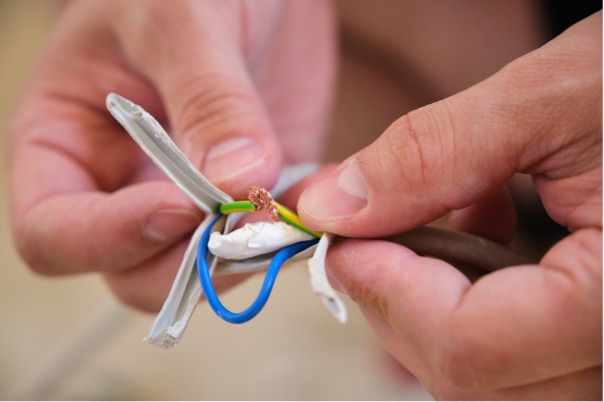
    Using wire cutters, cut the damaged part of the extension cord. Make sure to cut it clean and straight to ensure proper connections. If you’re customizing the length of your cord, cut it to your desired size.

    Step 3: Strip the Wires

    Using wire strippers, carefully strip about 1 inch of insulation from the ends of the wires. You should expose the copper wire beneath. Keep your extension cord separate and organized if it has more than two wires.

    Step 4: Prepping the Replacement Plug

    If you’re replacing the plug (male or female), follow the manufacturer’s instructions that came with the replacement plug. Typically, you’ll need to loosen screws to access the connection points.

    Step 5: Solder the Wires

    Now, it’s time to solder the wires. A soldering iron is used to melt solder, which securely bonds the wires. Ensure the wires are clean, then apply a small amount of solder to the exposed copper. It should flow smoothly over the wires.

    Step 6: Heat Shrink Tubing

    Slide a heat shrink tubing over each wire connection for added safety and insulation. This will help protect the connection from moisture and physical damage. Gently heat the tubing until it shrinks and forms a snug seal.

    Step 7: Electrical Tape

    Wrap each connection with electrical tape, providing an extra layer of protection and stability. Make sure there are no exposed wires.

    Step 8: Reassemble the Plug

    If you removed the plug earlier, reassemble it according to the manufacturer’s instructions. Ensure a snug fit and tighten any screws securely.

    Step 9: Test Your Splice

    Before using your newly spliced extension cord, test to ensure it works correctly. Plug it in and test the connected appliances or tools. If everything runs smoothly, congratulations – you’ve successfully spliced your extension cord!

    Troubleshooting Common Issues When You Splice an Extension Cord

    Splicing an extension cord can be straightforward, but sometimes problems arise. Here are some common issues and how to troubleshoot them:

    1. No Power:

    If you’ve followed the steps and there’s no power to your devices, first, check the connections. Ensure the wires are securely soldered and that there are no exposed wires. If everything looks good, your issue might be with the replacement plug. Double-check that you’ve assembled it correctly.

    2. Short Circuit:

    If your extension cord is causing a short circuit, it could be due to a loose connection or exposed wires. Inspect the cord for any signs of damage or exposed copper. If you find any, re-solder the connection and reapply heat shrink tubing and electrical tape.

    3. Overheating:

    An overheating cord can indicate excessive resistance in the connection, potentially due to insufficient soldering or damaged wires. Revisit your soldering job, ensuring it’s solid and secure.

    4. Sparks or Burning Smell:

    If you notice sparks or a burning smell, unplug the cord immediately. This can be a sign of a dangerous short circuit or faulty soldering. Carefully inspect the cord and make necessary repairs before using it again.

    Conclusion

    Splicing an extension cord is valuable for DIY enthusiasts and electricians. It allows you to customize cord lengths, repair damaged cords, and reduce waste. However, it’s crucial to follow the process, prioritizing safety throughout. Always use the right safety gear and double-check your connections to avoid electrical hazards.

    Remember, practice makes perfect. If you’re new to splicing, start with an old or damaged cord to hone your skills. With time and experience, you’ll become a pro at splicing extension cords, making your DIY projects smoother and more efficient.

    So, there you have it – a comprehensive guide on splicing an extension cord safely and effectively. Now it’s time to put your new skills to the test and enjoy the flexibility and cost savings that come with splicing your extension cords.

    If you have any questions or want to share your splicing experiences, please leave a comment below. We’re here to help and learn from one another in the vibrant community of DIYers and electricians.

    FAQ’s

    Q1: Is it safe to splice an extension cord myself?

    Answer: Splicing an extension cord can be safe if done correctly and with the right safety precautions. It’s essential to wear safety gear, follow the step-by-step guide, and double-check your connections to prevent electrical hazards.

    Q2: Can I splice an extension cord with more than two wires?

    Answer: You can splice an extension cord with more than two wires. Keep the wires organized and separated during the splicing process, following the same steps outlined in the guide.

    Q3: What should I do if my spliced extension cord isn’t working properly?

    Answer: If your spliced extension cord isn’t working, first check the connections to ensure they are secure and that there are no exposed wires. If you’ve ruled out connection issues, consider the replacement plug, as it might be assembled incorrectly.

    Q4: Can I splice an outdoor extension cord like an indoor one?

    Answer: Splicing is generally the same for indoor and outdoor extension cords. However, for outdoor use, use weatherproof connectors and heat shrink tubing to protect against moisture and environmental factors.

    Q5: Is there a limit to how many times I can splice an extension cord?

    Answer: While you can splice an extension cord multiple times, limiting the number of splices is best for safety and performance reasons. Excessive splicing can lead to increased resistance and potential overheating. If your cord has been spliced multiple times, consider replacing it entirely for safety.
  • How to Wire an Extension Cord: A DIY Guide for Safety and Convenience

    How to Wire an Extension Cord: A DIY Guide for Safety and Convenience

    Introduction

    Extension cords play a vital role in our electrical world. They act as a lifeline for our devices, appliances, and tools, especially when an outlet is not easily accessible. Whether you are an experienced DIYer, a homeowner with some DIY skills, or a professional electrician, it’s important to know how to wire an extension cord. This skill can save you money and help you maintain a safe electrical setup.

    In this guide, we’ll walk you through the process of wiring an extension cord step by step. We’ll emphasize safety measures, explain the different components of an extension cord, and provide tips and insights that will help you become a cord-wiring pro. So, grab your tools, put on your safety goggles, and let’s dive into the world of extension cords.

    What is an Extension Cord?

    Understanding the Basics of How to Wire an Extension Cord

    Before we dive into the nitty-gritty of wiring an extension cord, let’s start with the basics. An extension cord is a flexible electrical cable with a plug on one end and one or more sockets on the other. It’s a simple yet indispensable tool that allows you to extend the reach of your electrical devices beyond the reach of a power outlet. Extension cords come in various lengths, shapes, and sizes, making them versatile for a wide range of applications.

    The Anatomy of an Extension Cord

    To successfully wire or repair an extension cord, you need to understand its various components. Here’s what makes up a typical extension cord:

    1. Cord

    The cord is the long, flexible cable that extends from the plug to the socket(s). It’s the essential conduit for electrical power to travel from the source to your device. Cords come in different thicknesses, known as wire gauges, which affect their capacity to carry current. The thicker the cord, the more electrical load it can handle.

    2. Plug

    At one end of the cord, you’ll find the plug. This is what you insert into an electrical outlet. Plugs can vary based on their design and prong configuration. Make sure your plug matches the type of outlet you intend to use.

    3. Socket

    On the opposite end of the cord, you’ll have one or more sockets, also known as receptacles. These are where you plug in your devices. Sockets are available in different configurations to accommodate various types of plugs.

    4. Insulation

    The outer covering of the extension cord is typically made of rubber or plastic. This insulation is crucial for safety, as it prevents electrical exposure and protects the wires inside.

    Safety First: The Golden Rule of Cord Wiring

    Safety should always be your top priority when dealing with electricity. Before you even think about wiring or repairing an extension cord, make sure to follow these essential safety measures:

    1. Disconnect the Power: Never work on an extension cord while it’s connected to a live power source. Always unplug it from the wall or disconnect it from the power supply to ensure your safety.
    2. Inspect for Damage: Before you begin, thoroughly inspect the extension cord for any signs of wear and tear. Look for frayed wires, exposed conductors, or damaged plugs. If you find any, it’s best to replace the cord rather than attempting repairs.
    3. Appropriate Tools and Materials: Ensure you have the right tools and materials for the job. You’ll need wire strippers, electrical tape, a replacement plug if required, and a soldering iron. Using the correct equipment will help you achieve a safe and effective repair or wiring.

    How to Wire an Extension Cord: Step-by-Step

    Now that you’re equipped with the knowledge of extension cord components and safety measures, it’s time to learn how to wire or repair an extension cord. Here’s a step-by-step guide:

    Step 1: Cut and Strip the Cord

    If you’re repairing a damaged cord, start by cutting off the damaged section. Using wire strippers, carefully strip about an inch of insulation from the cut ends of the cord to expose the inner wires. Ensure the exposed wires are clean and free from frayed strands.

    Step 2: Prepare the Plug

    If you’re wiring a new cord or replacing a plug, prepare the plug by opening it up. You’ll usually find two or three terminals inside, each marked for the hot (black or red), neutral (white), and ground (green or bare) wires. Insert the cord through the plug’s cable clamp and make sure the wires are long enough to reach the terminals.

    Step 3: Connect the Wires

    Connect the wires to the corresponding terminals. The hot wire goes to the brass or gold-colored terminal, the neutral wire to the silver terminal, and the ground wire to the green or bare terminal. Tighten the terminal screws securely to ensure a good electrical connection.

    Step 4: Secure the Cable Clamp

    Secure the cable clamp once the wires are connected to hold the cord in place. This prevents the wires from being tugged or pulled loose, which could lead to dangerous exposure.

    Step 5: Close the Plug

    Close the plug’s casing and secure it with screws or clips. Make sure it’s properly sealed to protect the wires and connections from exposure.

    Step 6: Test the Cord

    Before putting the extension cord to use, test it to ensure it’s working correctly. Plug it into a known working outlet and check that your devices receive power without any issues.

    Maintenance and Safety Tips for How to Wire an Extension Cord

    1) Keeping Your Extension Cords Safe

    Now that you know how to wire or repair an extension cord, it’s essential to keep your cords in good condition. Here are some maintenance and safety tips:

    2) Regular Inspections

    Periodically inspect your extension cords for damage, especially if they are used outdoors or in challenging environments. Promptly replace any damaged cords.

    3) Proper Storage

    Store your extension cords coiled or hung on hooks to prevent kinks and tangles. This also prolongs the cord’s life and makes it easier to use.

    4) Don’t Overload

    Every extension cord has a maximum capacity. Never exceed this capacity by plugging in too many devices. Overloading can lead to overheating and fire hazards.

    5) Unplug When Not in Use

    When your devices are not in use, unplug them from the extension cord. This saves energy and reduces the risk of electrical issues.

    6) Invest in Quality Cords

    High-quality extension cords are built to last and provide better protection. It’s worth investing in durable cords for safety and longevity.

    Conclusion

    Wiring an extension cord may seem like a daunting task, but with the right knowledge and safety measures, it becomes a manageable DIY project. Whether you’re a DIY enthusiast, a handy homeowner, or an electrician, this guide has equipped you with the skills needed to create or repair extension cords. Always prioritize safety, understand the components of your extension cords, and follow the step-by-step instructions provided.

    Extension cords are the unsung heroes of electrical convenience. They’re the extra mile that your power needs to reach. So, with your newfound knowledge, you can keep the electricity flowing, whether it’s for your power tools, holiday lights, or any other electrical device. Happy wiring!

    Frequently Asked Questions (FAQs)

    Q1: Can I repair an extension cord that has a damaged plug or frayed wires myself, or should I seek professional help?

    A1: You can repair a damaged extension cord yourself if you have the necessary tools and follow safety guidelines. However, if you’re unsure about your abilities or if the damage is extensive, it’s best to consult a professional electrician for safe and reliable repairs.

    Q2: What should I do if my extension cord gets wet or is exposed to the elements?

    A2: Extension cords should not be used outdoors or in wet conditions unless they are designed for it. If your cord gets wet, unplug it immediately and let it dry thoroughly before using it again. For outdoor use, invest in extension cords with a “waterproof” or “outdoor” rating.

    Q3: Can I daisy-chain multiple extension cords to reach a distant outlet?

    A3: It’s generally not recommended to use daisy-chain extension cords. It can lead to overloading, overheating, and increased fire risks. Instead, use a single, longer cord that’s rated for the intended load, or consider installing additional outlets where needed.

    Q4: How can I determine my extension cord’s capacity or amperage rating?

    A4: The amperage rating of an extension cord is often labeled on the cord or its packaging. Look for a number followed by “A” (e.g., 15A) to find the amperage rating. Ensure the rating matches the load you intend to connect to the cord.

    Q5: What’s the difference between 2-prong and 3-prong plugs on extension cords, and when should I use each type?

    A5: A 2-prong plug has two pins for hot and neutral wires, while a 3-prong plug has an additional ground pin. For safety reasons, always use 3-prong extension cords when possible, especially for grounded appliances and in areas where electrical grounding is required. A 2-prong cord should only be used with double-insulated, non-grounded devices in suitable environments.

  • What Is the Best Extension Cord for a Refrigerator?

    What Is the Best Extension Cord for a Refrigerator?

    Wondering what Is the best extension cord for a refrigerator? Refrigerators are indispensable appliances in modern households, ensuring the preservation of perishable goods and maintaining a constant temperature for optimal freshness. Yet, in the pursuit of convenience, many overlook the critical aspect of choosing the right extension cord to power these essential devices. In this guide, we delve into the realm of extension cords, highlighting their importance, safety considerations, power requirements, and top recommendations.

    Understanding the Significance of a Reliable Extension Cord

    In the realm of electrical appliances and tools, the significance of a reliable extension cord cannot be overstated. Whether you’re a seasoned DIY enthusiast or a professional tradesperson, having the right extension cord can make a world of difference. In terms of safety, efficiency, and performance.

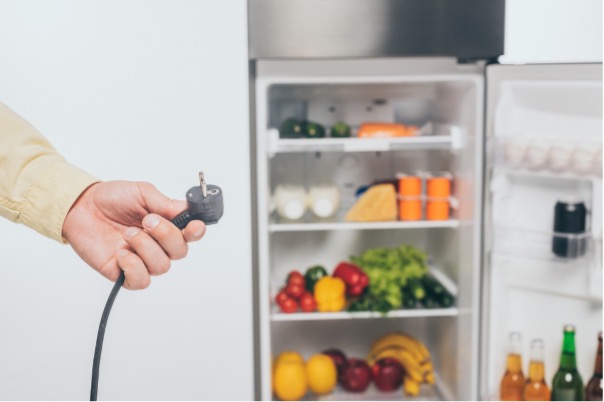
    A refrigerator extension cord serves as a crucial link between your appliance and the power outlet. While it may seem like a trivial accessory, selecting the appropriate cord can significantly impact the efficiency and safety of your refrigerator’s operation.

    Safety First: Why Choosing the Right Cord Matters

    Using an improper extension cord for your refrigerator can lead to various hazards, including overheating, electrical fires, or even damage to your appliance. Opting for a cord with inadequate gauge or length can result in voltage drops. Compromising the refrigerator’s performance and potentially causing irreparable damage.

    Power Requirements: Matching the Cord to Your Refrigerator

    Refrigerators, especially those with advanced features such as ice makers or digital controls, demand a stable and consistent power supply. It’s crucial to select an extension cord capable of handling the electrical load required by your appliance without voltage drops or fluctuations. Refer to your refrigerator’s user manual or consult with a qualified electrician to determine the appropriate cord specifications.

    Top Recommendations for Refrigerator Extension Cords

    When it comes to selecting the best refrigerator cord, prioritizing quality and safety is paramount. Look for cords with heavy-duty construction, adequate gauge size (typically 12 or 14 gauge for refrigerators), and UL certification for optimal performance and peace of mind. Here are some top recommendations to consider:

    • Certified Heavy-Duty Extension Cord: Choose a cord specifically designed for heavy-duty applications, ensuring durability and reliability even under prolonged use.
    • Shorter Length, Higher Efficiency: Opt for a shorter cord length to minimize voltage drops and maintain consistent power delivery to your refrigerator.
    • UL Listed Extension Cord: Look for cords with UL certification, indicating compliance with rigorous safety standards and regulations.
    • Gauge Size Matters: Select a cord with a gauge size suitable for refrigerator use, typically 12 or 14 gauge for adequate power transmission and safety.
    • Weather-Resistant Features: If your refrigerator is placed in an outdoor or damp environment, consider an extension cord with weather-resistant features to prevent damage from moisture or exposure to the elements.

    These features help safeguard your refrigerator against power surges, voltage spikes, and electrical faults. Investing in a cord with these protections can provide peace of mind and prolong the lifespan of your appliance.

    Choosing the best extension cord for your refrigerator is not a decision to be taken lightly. By prioritizing safety, power requirements, and quality, you can ensure optimal performance and longevity for your appliance. Invest in a reliable extension cord that meets the specific needs of your refrigerator, and enjoy peace of mind knowing that your appliance is powered safely and efficiently.

  • How to Roll Up an Extension Cord Like a Pro

    How to Roll Up an Extension Cord Like a Pro

    Extension cords are handy for homeowners, DIY enthusiasts, and electricians. They give us the extra reach to power our tools, appliances, and devices indoors and outdoors. However, if you’ve ever struggled with a tangled, messy extension cord, you know the frustration it can bring. The good news is that there’s a right way to roll up an extension cord, and it’s not just about tidiness—it’s also about safety and efficiency.

    This step-by-step guide will show you how to roll up an extension cord like a pro. We’ll cover the benefits of proper cord storage, mention essential safety precautions, and suggest clever storage solutions to keep your cords in check. Whether you’re a DIY enthusiast, a homeowner, or an electrician, mastering the art of cord rolling will make your life easier and safer.

    The Art of Rolling Up an Extension Cord

    Rolling up an extension cord may seem simple, but doing it correctly can save you time and hassle in the long run. Here’s how to master the art of rolling up an extension cord.

    Benefits of Proper Cord Storage

    Before we dive into the “how-to,” let’s discuss why storing your extension cords is essential.

    1. Prevents Tangles and Knots

    One of the most significant advantages of correctly rolling up an extension cord is that it prevents tangles and knots. When you need to use your extension cord, you won’t waste time wrestling with a tangled mess. Instead, you’ll have a neat, ready-to-use cord at your disposal.

    2. Extends Cord Lifespan

    Proper storage can also extend the lifespan of your extension cords. When cords are coiled haphazardly, they can become kinked or damaged over time. This can lead to shorts, exposed wires, and, in some cases, electrical hazards. Rolling them up correctly will protect the cord’s integrity, saving you money in the long run.

    3. Ensures Safety

    Safety should always be a top priority when working with electricity. How you roll up your extension cords can impact safety in several ways. If a cord is damaged due to improper storage, it can pose a risk of electrical shock or fire. Additionally, tripping over tangled cords can result in accidents and injuries. Proper storage minimizes these risks.

    4. Saves Space

    Neatly rolled extension cords take up less space. Whether you’re storing them in your workshop, garage, or closet, efficient cord storage means you’ll have more room for other tools and equipment.

    How to Roll Up an Extension Cord Like a Pro

    Now, let’s get into the nitty-gritty of rolling up an extension cord. Follow these simple steps to ensure your cords remain organized and hassle-free.

    Step 1: Unplug the Cord

    Before you start rolling, ensure that the extension cord is unplugged. This is a crucial safety precaution, as rolling up a live cord can be dangerous.

    Step 2: Straighten the Cord

    Lay the extension cord out on a flat, clean surface. Hold one end and walk along its length, straightening it out as you go. This step will make the rolling process much easier.

    Step 3: Create a Loop

    With the cord straightened, create a loop at one end. Hold the loop with one hand, and make sure it’s large enough to grasp comfortably.

    Step 4: Start Coiling

    Now, begin coiling the cord in a clockwise direction. Keep your loops neat and close together, ensuring no kinks or twists. As you coil, maintain tension to keep the cord snug.

    Step 5: Secure with a Twist Tie or Velcro Strap

    Once you’ve reached the end of the cord, secure it with a twist tie, Velcro strap, or any other cord management tool you choose. This prevents the coil from unwinding and keeps it tidy.

    Step 6: Hang or Store

    You have a few storage options with your extension cord neatly coiled and secured. You can hang it on a cord reel or a wall hook or simply place it in a container or bin for cord storage. Choose the method that suits your workspace and needs best.

    Safety Precautions for How to Roll Up an Extension Cord

    Rolling up an extension cord is a straightforward process, but it’s essential always to consider safety. Here are some safety precautions to keep in mind:

    • Inspect Your Cord: Before coiling, take a quick look at your extension cord. If you notice any damage, exposed wires, or fraying, it’s essential to repair or replace the cord before use. Using a damaged cord can be dangerous.
    • Never Overload the Cord: Extension cords have a maximum amperage rating, so be sure not to overload them. Check the cord’s label for this information and ensure that the devices you’re plugging in don’t exceed the cord’s capacity.
    • Unplug Before Rolling: Always unplug the cord before rolling it up. Rolling a live cord can lead to accidents or damage.
    • Store in a Dry Location: When not in use, store your extension cords in a dry location. Moisture can damage the cord and pose electrical hazards.
    • Avoid Sharp Bends and Kinks: Avoid sharp bends or kinks in the cord when rolling. These can weaken the cord’s insulation and lead to potential issues.
    • Check for Heat Buildup: After using an extension cord, checking if it heated up during operation is a good practice. Excessive heat can indicate an overload or a faulty connection. If you notice heat buildup, discontinue use and inspect the cord.

    For more detailed safety guidelines and tips, consider reading Electrical Safety Tips When Using Extension Cords, which provides comprehensive safety advice and precautions to enhance your safety when using extension cords.

    Clever Cord Storage Solutions for How to Roll Up an Extension Cord

    Properly coiled extension cords are the first step to a neat workspace, but where and how you store them is equally important. Here are some storage solutions to keep your cords organized and accessible.

    1. Cord Reels

    Cord reels are an excellent way to keep your extension cords organized. They come in various sizes and can be mounted on walls or placed on the ground. Cord reels make it easy to unroll and roll up your cord as needed.

    1. Cord Hooks

    Install cord hooks on your workshop or garage walls to hang your extension cords. This method not only keeps your cords off the floor but also allows you to see them at a glance.

    1. Cord Containers

    Consider using dedicated containers or bins for cord storage. These containers keep your cords neatly coiled and protected from dust and moisture. You can label the containers for easy identification.

    1. Cord Wraps

    Cord wraps, often made of Velcro, are a simple and affordable solution for keeping cords organized. You can wrap them around your coiled cords to keep them secure.

    1. PVC Cord Hangers

    DIY enthusiasts can create their cord hangers using PVC pipes. Cut the pipe into sections and drill them into the wall. Then, place your coiled extension cords through the pipes to keep them organized.

    Conclusion

    Rolling up an extension cord correctly may seem like a small task, but it can make a big difference in your workspace’s organization, safety, and efficiency. By preventing tangles, extending the cord’s lifespan, and using proper storage solutions, you’ll save time money, and ensure a safer environment.

    So, the next time you finish a DIY project, remember to unplug, straighten, coil, and secure your extension cord properly. Your future self will thank you for the hassle-free, tangle-free power source.

    With these simple steps and safety precautions, you can become a pro at rolling up extension cords, making your projects smoother and your workspace tidier. Say goodbye to the frustration of tangled cords and hello to a more organized and efficient work environment. Happy rolling!

    FAQs

    Q1. Can I roll up multiple extension cords together?

    It’s generally not recommended to roll up multiple extension cords together. Each cord should be coiled separately to prevent tangles and ensure proper storage.

    Q2. How do I repair a damaged extension cord?

    If you notice damage or exposed wires on your extension cord, it’s best to repair or replace it. You can repair minor damage with electrical tape, but for more significant issues, consult a professional or replace the cord.

    Q3. Can I use the same rolling technique for all types of extension cords?

    The rolling technique described in this guide is suitable for most standard extension cords. However, extremely long or heavy-duty cords may require different storage solutions, such as cord reels.

    Q4. What’s the best way to label my cord containers for easy identification?

    Labeling your cord containers with the cord’s length or purpose (e.g., “Outdoor Christmas Lights”) is a practical way to ensure you can quickly find the right cord when needed.

    Q5. How often should I inspect my extension cords for damage?

    It’s a good practice to inspect your extension cords before each use. Regular inspections help you catch and address any issues early, enhancing safety.

    Additional Resources on How to Roll Up an Extension Cord

    For more tips on cord management, DIY projects, and home organization, check out the following resources:

    Remember, a well-organized workspace not only makes your life easier but also promotes safety and efficiency. Happy rolling, and keep your workspace tangle-free!